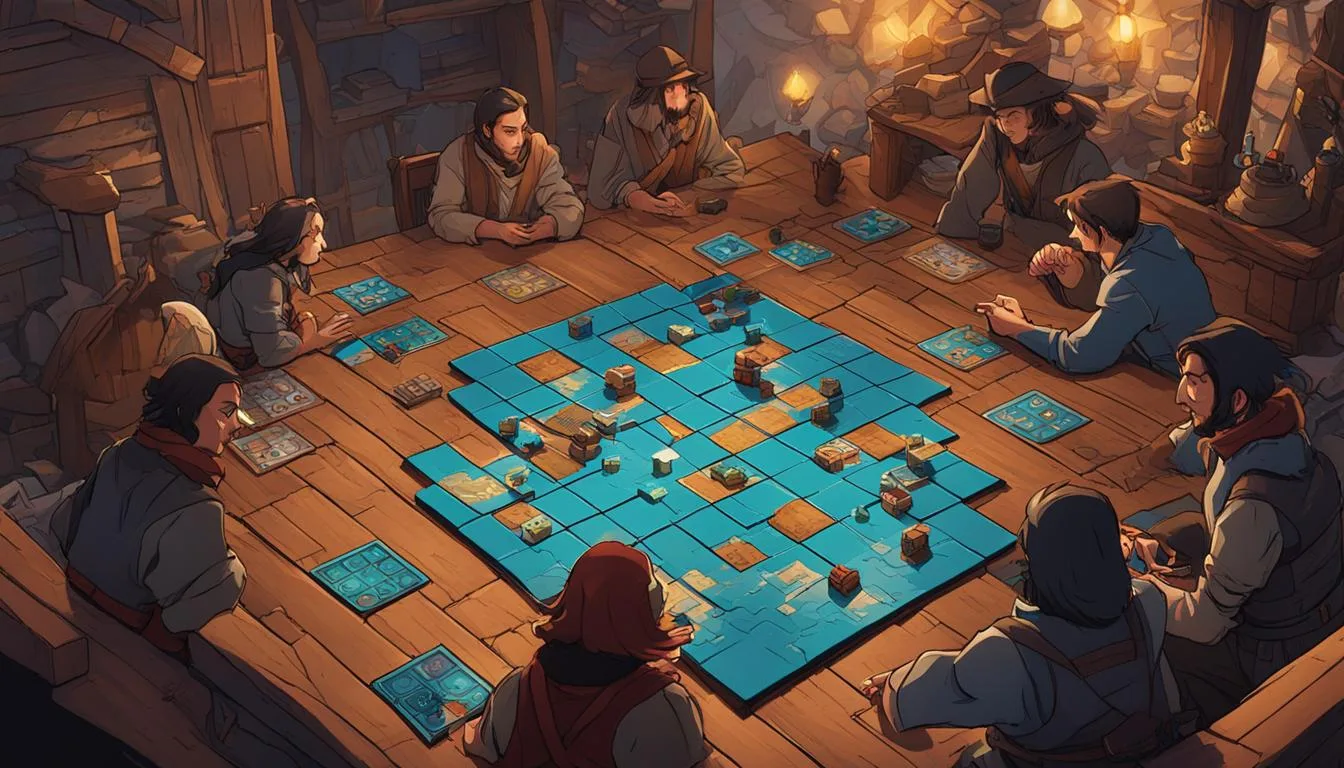
Thematic Board Games transport players into richly detailed worlds where every mechanic serves the story and atmosphere. These games prioritize narrative immersion and thematic coherence over abstract strategy, creating experiences that feel more like interactive adventures than traditional board games.
Unlike abstract strategy games that focus purely on mechanical optimization, thematic games weave gameplay elements into compelling stories. Players might find themselves leading desperate survivors through a zombie apocalypse, commanding starships in epic space battles, or exploring haunted mansions filled with cosmic horrors.
TL;DR
- Thematic games prioritize story and atmosphere over pure mechanical strategy, creating immersive narrative experiences.
- Popular themes include horror (like Mansions of Madness), survival (Dead of Winter), and fantasy adventure (Gloomhaven campaigns).
- These games typically feature 90+ minute play sessions with rich components like miniatures, custom dice, and detailed artwork.
- Player decisions directly impact story outcomes through branching narratives, character development, and consequence-driven gameplay.
What Makes Thematic Board Games Special
Thematic board games excel at creating emotional investment through integrated storytelling mechanics. Every component – from artwork to dice mechanics – reinforces the game’s narrative theme rather than existing as abstract game pieces.
These games often feature asymmetric player powers, where each participant has unique abilities that reflect their character or faction within the story. This approach makes every playthrough feel like a different chapter in an ongoing narrative rather than repeated mechanical exercises.
Key Elements of Thematic Design
- Narrative Integration – Game mechanics directly support story themes and player immersion.
- Rich Components – Detailed miniatures, custom dice, and thematic artwork enhance the experience.
- Player Agency – Meaningful choices that impact story outcomes and character development.
- Atmospheric Tension – Mechanics that create suspense, excitement, or emotional investment in outcomes.
Popular Thematic Game Categories
Horror themes dominate many successful thematic games because fear creates natural tension and investment. Mansions of Madness Interactive Lovecraftian Horror exemplifies this approach by combining investigation mechanics with psychological horror elements that build suspense throughout gameplay.
Survival scenarios offer another compelling thematic framework where resource scarcity and difficult moral choices drive player engagement. These themes work particularly well because they create immediate stakes that players can relate to emotionally.
Horror and Suspense
Horror-themed games use mechanics like hidden information, random events, and escalating threats to maintain tension. Players must make decisions under pressure while incomplete information creates uncertainty and dread.
Eldritch Horror: Facing Cosmic Horror demonstrates how global-scale threats can create epic narrative scope while maintaining personal stakes for individual characters.
Adventure and Exploration
Adventure themes focus on discovery, character progression, and overcoming challenges through clever tactics and teamwork. These games often feature campaign systems where player choices carry forward between sessions.
Gloomhaven represents the pinnacle of adventure gaming with its massive campaign system and evolving storylines that respond to player decisions.
Gameplay Mechanics That Enhance Immersion
Successful thematic games use specific mechanical approaches to reinforce their narrative themes. Random events that reflect thematic elements keep players engaged while creating unpredictable story moments that feel organic rather than scripted.
Character development systems allow players to invest in their game personas over multiple sessions. When mechanical improvements align with narrative progression, players develop stronger emotional connections to outcomes.
Choose Games That Match Your Group’s Preferences
Consider your group’s comfort level with themes like horror or violence before selecting games. Some thematic elements might not appeal to all players, so discuss preferences beforehand.
Asymmetric Player Powers
Different characters or factions with unique abilities create distinct play experiences within the same game. This asymmetry reinforces thematic elements while adding replay value through varied strategic approaches.
Blood Rage showcases how different clan abilities can reflect mythological themes while providing balanced but distinct gameplay paths.
Legacy and Campaign Systems
Games that evolve over multiple sessions create ongoing narrative investment. Player decisions permanently alter future games through stickers, written changes, or unlocked components that reflect story consequences.
These systems work because they mirror real-world consequences where actions have lasting impacts. Players develop attachment to their customized game world and the stories they’ve created through their choices.
Building Your Thematic Game Collection
Start with games that match your group’s preferred themes and complexity tolerance. Dead of Winter offers an excellent entry point with accessible rules and compelling survival themes that create immediate player investment.
Consider storage and setup time when building your collection. Thematic games often require significant table space and longer setup periods due to their rich components and complex initial arrangements.
Essential Thematic Games for Beginners
- Choose accessible themes. Start with universally appealing concepts like adventure or mystery rather than niche horror subgenres.
- Check complexity ratings. Look for games with moderate complexity that balance thematic richness with manageable rules overhead.
- Consider play time. Ensure your group can commit to the typical session length without rushing through the experience.
- Read component lists. Verify you have adequate table space and storage for games with extensive miniature collections.
Frequently Asked Questions
How long do thematic board games typically take to play?
Most thematic games require 90 minutes to 4 hours depending on complexity and player count. Campaign games may extend across multiple sessions spanning weeks or months.
Are thematic games suitable for competitive players?
Many thematic games emphasize cooperation and storytelling over direct competition. However, some like Blood Rage combine thematic elements with strategic competition successfully.
Do thematic games require acting or roleplaying?
While some players enjoy adding character voices or personalities, most thematic games work perfectly well with standard gameplay without requiring theatrical elements or roleplaying experience.
How do thematic games compare to video games for storytelling?
Board games create collaborative storytelling experiences where player imagination fills gaps that video games might script directly. The social interaction adds unpredictable narrative elements that digital games cannot replicate.
Final Thoughts
Thematic Board Games offer unmatched opportunities for shared storytelling and emotional investment that pure strategy games cannot match. These experiences create lasting memories through collaborative narrative creation and meaningful player choices that impact story outcomes.
Start with one game that matches your group’s interests and build from there. The investment in time and table space pays off through rich gaming experiences that blur the line between game and interactive story.

As the founder of Friends Game Night, Ryan channels his enthusiasm for gaming into a platform that celebrates the magic of gathering friends around the digital or physical tabletop. Through his website, Ryan shares insightful articles, reviews, and recommendations, aiming to inspire others to create their own memorable gaming moments.
Subscribe to Our Newsletter