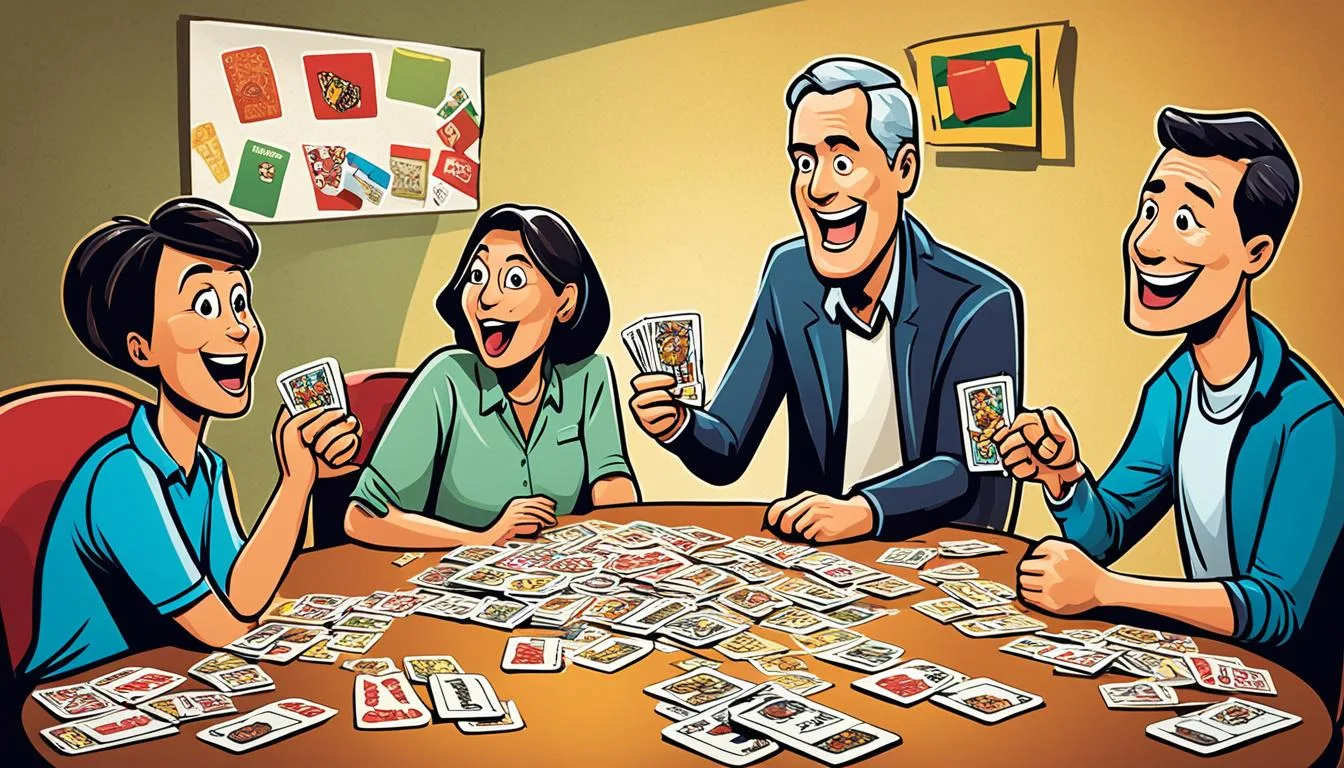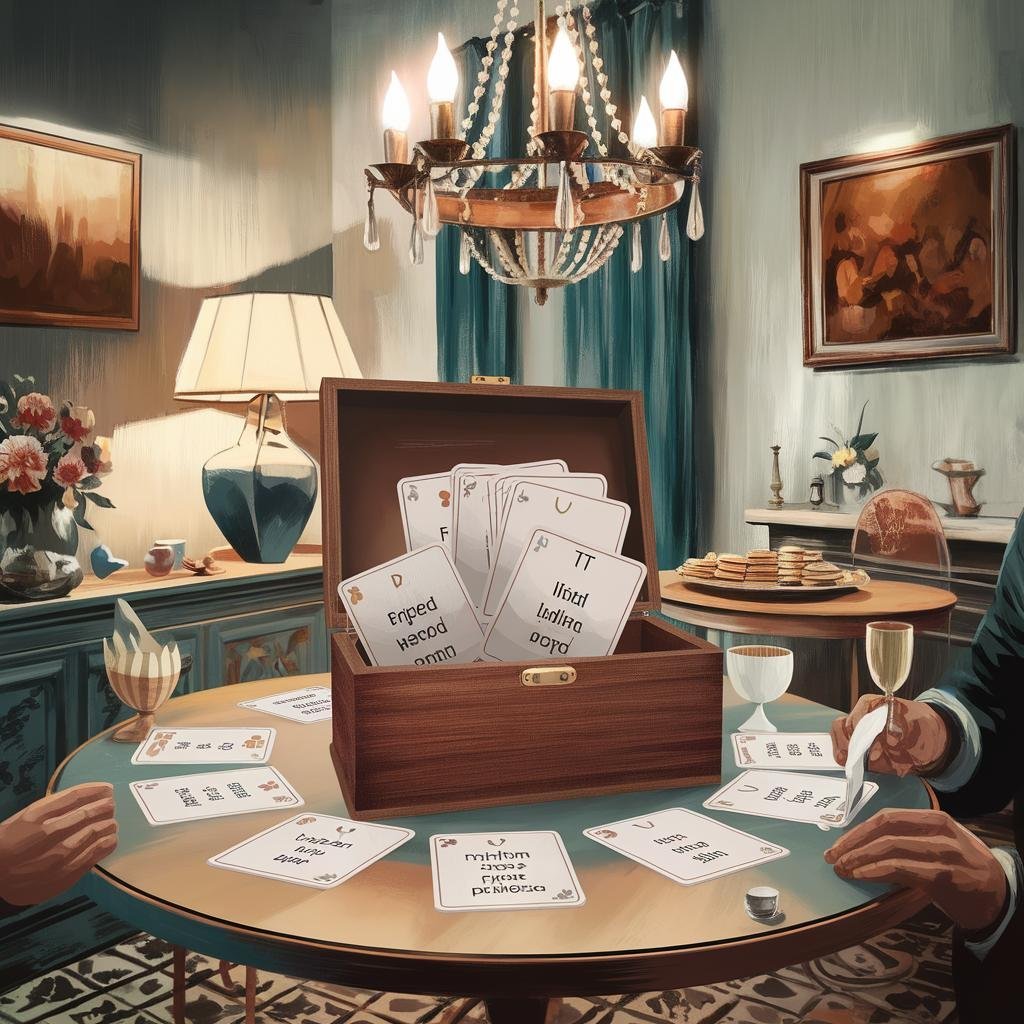
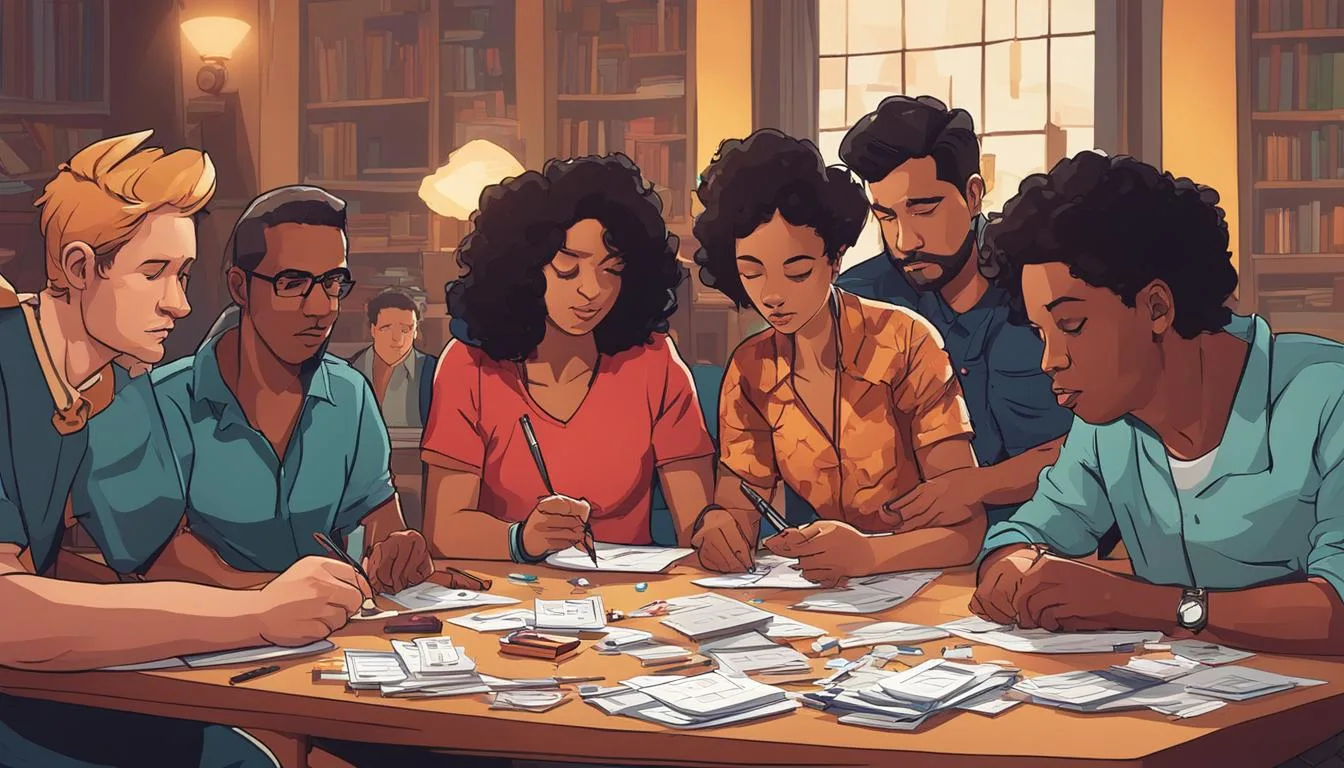
Scattergories Quick Thinking And Category Matching challenges players to think fast under pressure while coming up with creative answers. This classic party game combines speed, creativity, and just enough competition to keep everyone engaged throughout multiple rounds.
The beauty of Scattergories lies in its simple concept that creates surprisingly complex gameplay. Players must fill categories with words that start with a specific letter, racing against the clock while hoping their answers are unique enough to score points.
TL;DR
- Each round lasts exactly 3 minutes using the included timer for consistent pacing.
- Players score 1 point for each acceptable answer that no other player wrote down.
- The game includes 250 category cards with over 3,500 category combinations total.
- Ages 13+ can play with 2-6 players, though it works best with 4-5 people.
Scattergories Quick Thinking And Category Matching Setup
Setting up Scattergories takes less than two minutes, making it perfect for spontaneous game nights. Each player needs an answer pad and pencil, while one person operates the timer and letter die.
The category cards contain 12 different categories per card, numbered 1 through 12. Roll the 20-sided letter die to determine which letter all answers must start with for that round.
Basic Gameplay Rules
Start the timer and give players exactly 3 minutes to fill in all 12 categories with words beginning with the rolled letter. Creativity pays off since duplicate answers between players cancel each other out and earn zero points.
When time expires, players take turns reading their answers aloud for each category. Challenge any answers you think don’t fit the category or don’t start with the correct letter.
Scoring Your Answers
The scoring system rewards original thinking over obvious choices. Here’s how points work:
- Unique answers – Earn 1 point each when no other player wrote the same thing
- Duplicate answers – Worth 0 points when multiple players have identical responses
- Invalid answers – No points for answers that don’t fit the category or letter
- Blank spaces – Obviously worth 0 points, so guess rather than leave empty
Advanced Strategies
Think beyond the most obvious answers since other players will likely choose common responses. If the letter is “B” and the category is “Things in a kitchen,” avoid writing “bowl” since everyone else probably will too.
Focus on proper nouns, specific brands, or technical terms that fit the categories. These unique choices often score points while generic answers get cancelled out by duplicates.
Time Management Tips
Don’t spend too much time perfecting one answer when you could fill multiple categories instead. Write down your first reasonable thought and move to the next category quickly.
Save the hardest categories for last, but always write something down rather than leaving blanks. A questionable answer that might get challenged still has a chance to score, while empty spaces guarantee zero points.
Category Interpretation Strategy
When categories seem unclear, interpret them creatively but reasonably. “Things that are round” could include planets, coins, or even concepts like “cycles” – just be ready to defend your logic.
Popular Category Types
Understanding common category patterns helps you prepare better answers. The game features several recurring themes that appear across different cards.
Physical objects make up many categories, from household items to things found outdoors. These categories often allow for the most creative interpretations and unexpected answers.
People and Places Categories
Categories about people, occupations, or geographic locations require different thinking strategies. Consider historical figures, fictional characters, or specific job titles rather than general terms.
Place categories work well with specific cities, landmarks, or even fictional locations from books and movies. The key is thinking beyond obvious state and country names that others will choose.
House Rules and Variations
Many groups develop their own house rules to customize the experience. Some popular modifications include allowing team play or extending the timer to 4 minutes for younger players.
The “alliteration bonus” house rule gives extra points when players create answers where every word starts with the chosen letter. This party game scoring variation adds another layer of challenge and creativity.
Tournament Style Play
For competitive groups, consider playing multiple rounds with different category cards and keeping cumulative scores. The first player to reach 50 or 75 points wins the overall game.
Another tournament variation involves elimination rounds where the lowest-scoring player each round sits out the next one. This creates tension similar to other competitive game night formats.
Playing with Different Group Sizes
Scattergories works differently depending on your group size, with each number of players creating its own dynamic. Smaller groups mean fewer duplicate answers, while larger groups increase the challenge of finding unique responses.
With just 2-3 players, you’ll score points more easily since fewer people means fewer duplicates. However, the social energy and laughter that make Scattergories special really shine with 4-6 players competing.
Adapting for Younger Players
While the box says ages 13+, younger players can enjoy modified versions of the game. Allow them to use simpler category interpretations or give them an extra minute to complete their lists.
Consider pairing younger players with adults for team play, similar to how family board games often work better with mixed-age partnerships.
Common Challenges and Solutions
Answer disputes happen frequently in Scattergories, especially with creative or borderline responses. Establish ground rules before playing about who makes final decisions on challenged answers.
Some groups vote democratically on disputed answers, while others designate one person as the final judge. Whatever method you choose, decide it before starting to avoid mid-game arguments.
Dealing with Difficult Letters
Letters like X, Z, or Q create significant challenges that can frustrate players. Consider re-rolling these letters or allowing more flexible interpretations when they come up.
Alternatively, embrace the challenge and award bonus points for completing all categories with difficult letters. This keeps the game interesting even when luck gives you tough combinations.
Frequently Asked Questions
How long does a typical game of Scattergories last?
Most games run 30-45 minutes depending on how many rounds you play and how much time you spend discussing disputed answers.
Can you use the same answer for multiple categories?
No, each answer can only be used once per round, even if it technically fits multiple categories on your list.
What happens if the timer stops working?
Use any timer set to 3 minutes, including phone timers or kitchen timers – the specific Scattergories timer isn’t required for gameplay.
Are abbreviations allowed as answers?
Standard rules don’t allow abbreviations, but many groups create house rules permitting them for certain categories like organizations or technical terms.
Final Thoughts
Scattergories Quick Thinking And Category Matching delivers exactly what its name promises – fast-paced fun that challenges your creativity and vocabulary. The simple rules hide surprising depth, as players discover new strategies for finding unique answers round after round.
Whether you’re hosting a themed game night or looking for a reliable party game, Scattergories consistently delivers laughs and friendly competition that keeps groups coming back for more.

As the founder of Friends Game Night, Ryan channels his enthusiasm for gaming into a platform that celebrates the magic of gathering friends around the digital or physical tabletop. Through his website, Ryan shares insightful articles, reviews, and recommendations, aiming to inspire others to create their own memorable gaming moments.
Subscribe to Our Newsletter