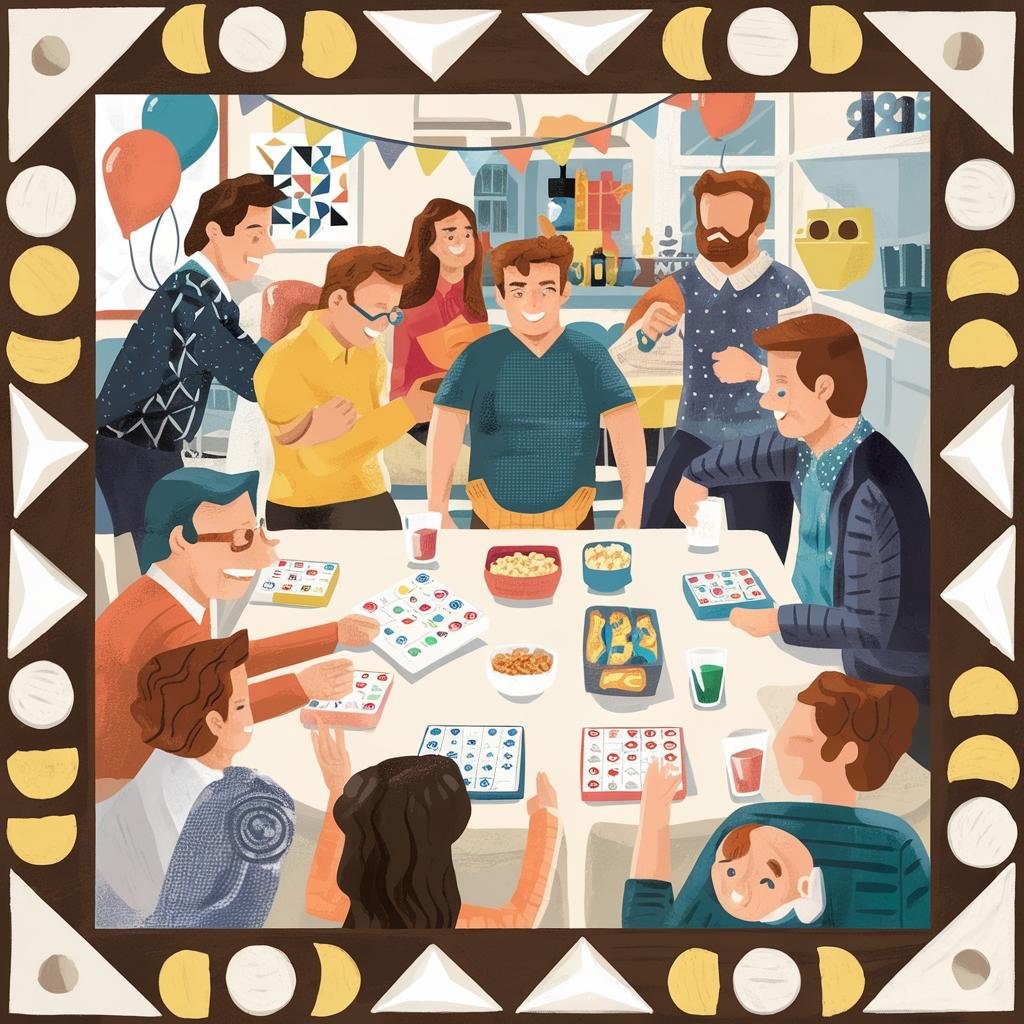
Kids Game Night Invitations should be bright, fun, and exciting enough to get children pumped about your upcoming event. The right invitation sets the tone for an amazing game night that kids will remember long after the last game is played.
Creating invitations that capture kids’ attention requires colorful designs, playful language, and interactive elements that make receiving the invitation part of the fun. When done right, your invitations will have kids counting down the days until game night arrives.
TL;DR
- Use bright colors like neon pink, electric blue, and sunshine yellow to grab kids’ attention instantly.
- Include 3-4 interactive elements like stickers, pop-ups, or scratch-off sections to make opening the invitation exciting.
- Write in kid-friendly language with words like “awesome,” “epic,” and “super fun” instead of formal phrases.
- Add game-themed graphics like dice, playing cards, or controller icons that relate to your planned activities.
Kids Game Night Invitations Design Basics
The foundation of great kids’ invitations starts with understanding what makes children excited. Bright colors immediately catch their eye and signal that something fun is coming their way.
Your color palette should include at least three vibrant colors that work well together. Consider these winning combinations that kids love:
- Rainbow Burst – Red, orange, yellow, green, blue, and purple for maximum visual impact.
- Neon Fun – Hot pink, electric blue, and lime green for a modern gaming vibe.
- Candy Colors – Cotton candy pink, sky blue, and sunshine yellow for a sweet theme.
- Gaming Classic – Bright red, blue, yellow, and green like classic game controllers.
Typography That Kids Can Read
Choose fonts that are large, clear, and playful without being impossible to read. Comic-style fonts work well for headings, while simple sans-serif fonts keep the details readable.
Make sure your main text is at least 14-point font size so younger kids can read it easily. Use bold text for important details like the date, time, and address.
Interactive Elements That Make Kids Excited
Static invitations are boring – kids want invitations they can play with. Adding interactive elements transforms your invitation from a simple announcement into a mini-activity that builds anticipation.
Here are proven interactive ideas that get kids talking:
- Sticker Sheets – Include a small sheet of game-themed stickers kids can use to decorate the invitation.
- Pop-Up Sections – Create fold-out areas that reveal game previews or fun facts.
- Scratch-Off Areas – Hide surprise details like bonus activities under scratch-off coating.
- Puzzle Pieces – Cut the invitation into 4-6 pieces that kids assemble to read the details.
- Spinner Wheels – Attach a small paper wheel that spins to show different games you’ll play.
Game-Themed Graphics
Visual elements should clearly communicate that this is a game night invitation. Include graphics that represent the types of games you’ll play during your event.
Popular graphics that work well include oversized dice, playing card suits, game controller silhouettes, board game pieces, or cartoon characters playing games together.
Writing Kid-Friendly Invitation Text
The words you choose matter just as much as the visual design. Kids respond to language that matches their energy level and excitement about games.
Replace formal invitation language with kid-friendly alternatives that create enthusiasm. Instead of “You are cordially invited,” try “Get ready for the most awesome game night ever!” or “Calling all game champions!”
Essential Information to Include
Make sure every invitation includes these crucial details in language kids can understand:
- Event Title. “Super Fun Game Night Blast” sounds more exciting than “Game Night.”
- Date and Time. “Saturday, March 15th from 2:00 to 5:00” with “That’s THIS Saturday!” in fun text.
- Address. Include landmarks kids recognize like “Next to the big blue house with the swing.”
- What to Bring. “Just yourself and your game face!” or list any required items.
- RSVP Details. “Tell us you’re coming by Thursday so we can plan epic games!”
Age-Appropriate Language Tip
Match your vocabulary to your target age group – use simpler words for kids under 8 and include more gaming terms for tweens and teens. Test your invitation text by reading it aloud to check if it sounds natural and exciting.
Digital vs Physical Invitation Options
Both digital and physical invitations work well for kids’ game nights, depending on your audience and timeline. Digital invitations for modern game nights offer animation possibilities and instant delivery, while physical invitations provide tactile experiences that kids love.
Digital invitations let you include animated graphics, sound effects, and interactive buttons that kids can click. Popular platforms like Evite, Paperless Post, and Canva offer kid-friendly templates you can customize.
Physical Invitation Advantages
Physical invitations create lasting excitement because kids can hold them, show friends, and stick them on their bedroom walls as reminders. They work especially well for younger children who love tangible objects they can touch and play with.
Consider these creative physical formats that stand out in mailboxes and backpacks:
- Postcard Style – Easy to mail and display on refrigerators.
- Folded Cards – More space for graphics and interactive elements.
- Shaped Cutouts – Die-cut invitations shaped like dice, game controllers, or puzzle pieces.
- Envelope Surprises – Include confetti, stickers, or small toys inside the envelope.
Theme-Specific Invitation Ideas
Matching your invitation design to your planned activities helps kids understand what type of fun to expect. Game night theme ideas can inspire both your activities and invitation design.
Different themes call for different visual approaches and language styles that set appropriate expectations.
Video Game Theme
Use pixelated fonts, controller graphics, and gaming terminology that kids recognize. Include phrases like “Level Up Your Fun” or “Achievement Unlocked: Epic Game Night!”
Color schemes should match popular games – bright primary colors for retro arcade themes or sleek blues and greens for modern gaming vibes.
Board Game Theme
Feature classic board game elements like dice, game pieces, and colorful squares reminiscent of popular family games. Use warm, friendly colors that suggest cozy family fun rather than intense competition.
Language should focus on togetherness and friendly competition with phrases like “Roll the dice on fun!” or “Your move – join our game night!”
Outdoor Game Theme
If you’re planning outdoor game night adventures, your invitations should reflect the active, energetic nature of outdoor play. Use nature-inspired colors and graphics that suggest movement and fresh air fun.
Include weather-related information and backup indoor plans to help parents prepare appropriately for the event.
Customization for Different Age Groups
Kids at different ages respond to different visual styles and language complexity. Tailoring your invitation to your specific age group increases excitement and ensures clear communication.
Elementary school kids (ages 5-10) prefer simple, bright designs with cartoon-style graphics and easy-to-read text. Middle school kids (ages 11-13) want cooler designs that don’t feel too childish while still being fun and engaging.
Preschool and Early Elementary (Ages 4-7)
Use large, simple graphics with primary colors and minimal text. Focus on pictures that tell the story – show kids playing games together, smiling faces, and recognizable game pieces.
Keep text to essential information only and use very simple words. Consider including picture instructions for parents to help explain the event to very young children.
Elementary School (Ages 8-10)
This age group can handle more detailed invitations with multiple colors, patterns, and interactive elements. They enjoy invitations that feel special and different from everyday papers they receive.
Include more specific game details and use slightly more advanced vocabulary while maintaining an enthusiastic, playful tone throughout.
Middle School (Ages 11-13)
Tweens want invitations that feel mature while still being obviously fun. Use cooler color schemes, sleeker fonts, and gaming references they’ll recognize from popular culture.
Include social elements in your language – mention that friends are invited, hint at photo opportunities, and emphasize the cool factor of your planned activities.
Frequently Asked Questions
How far in advance should I send kids’ game night invitations?
Send invitations 7-10 days before your event to give families time to plan while keeping excitement fresh. Too early and kids might forget, too late and families may have other commitments.
What information should I include about food allergies?
Always ask parents to mention any food allergies when they RSVP, and include a line like “Please let us know about any food allergies when you respond” on every invitation.
Should I include gift information on kids’ invitations?
For birthday game nights, include gift preferences or a “no gifts please” note if preferred. For regular game nights, mention that no gifts are needed so parents don’t feel pressured.
How can I make digital invitations feel more personal?
Add the child’s name prominently, include a personal message about why you’re excited they’re coming, and use photos from previous gatherings if you have them.
What’s the best way to handle RSVPs for children’s events?
Include both phone and email options for parents, set a clear RSVP deadline, and consider following up with non-responders 2-3 days before the event.
Final Thoughts
Kids Game Night Invitations that combine bright colors, interactive elements, and kid-friendly language create genuine excitement for your upcoming event. The extra effort you put into designing engaging invitations pays off when kids arrive already pumped up and ready to play.
Start with a simple printable game night invitation template and customize it with the elements that match your planned activities and age group. Remember that the goal is building anticipation – when kids are excited about coming, everyone has more fun.

As the founder of Friends Game Night, Ryan channels his enthusiasm for gaming into a platform that celebrates the magic of gathering friends around the digital or physical tabletop. Through his website, Ryan shares insightful articles, reviews, and recommendations, aiming to inspire others to create their own memorable gaming moments.
Subscribe to Our Newsletter