TL;DR
- Modern card games use app integration, allowing players to scan cards with smartphones for dynamic digital effects and storylines.
- Legacy card games permanently alter themselves as you play – cards get destroyed, stickers added, and rules change based on your group’s decisions.
- Hybrid card-board games combine traditional cards with modular boards, creating 50+ different game setups from one box.
- Social deduction card games now support 6-12 players simultaneously through role cards that create complex hidden information scenarios.
Modern Card Games That Redefine The Genre
First Posted March 26, 2026 | 🕒 Last Updated on March 27, 2026 by Ryan ConlonThe biggest shift in modern card design comes from breaking the “one deck, one game” rule that dominated card games for centuries. Today’s innovative designers create systems where a single set of cards can generate dozens of different play experiences through modular rules, app integration, or player-driven customization.
These games often blur the lines between physical and digital play, creating hybrid experiences that feel both familiar and completely new. They’re designed for our connected world while still maintaining the tactile satisfaction of handling real cards.
App-Integrated Card Games
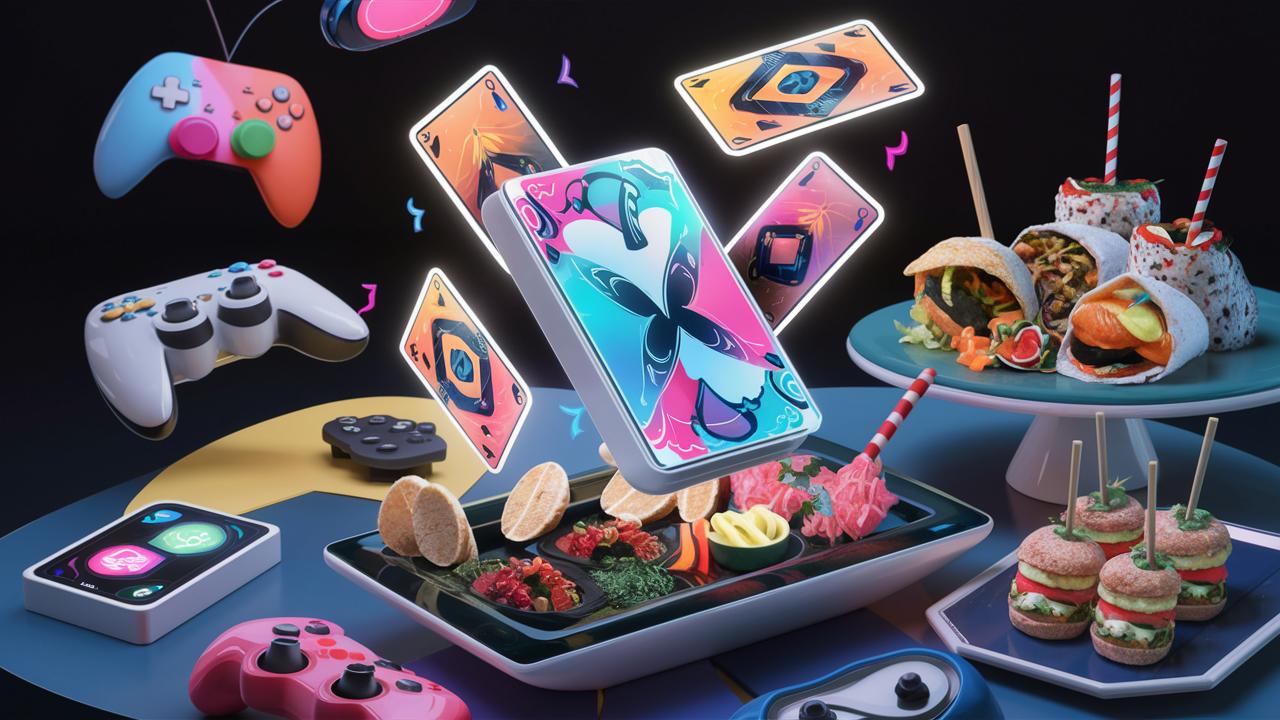
Several modern card games use smartphone apps as a core game component rather than just a scorekeeper or timer. Players scan cards with their phones to unlock digital content, trigger sound effects, or access evolving storylines that change based on their card choices.
These hybrid experiences create possibilities that pure physical or digital games can’t match:
- Dynamic storytelling – Cards unlock different narrative branches through the app
- Hidden information – Apps can track secret data without requiring a game master
- Evolving content – Regular app updates add new scenarios to existing card sets
- Audio immersion – Soundtrack and sound effects triggered by card play
The best app-integrated games work even when the technology fails, with backup rules that let you continue playing without phones if needed.
Legacy and Campaign Card Games
Legacy card games permanently change as you play them, creating a unique copy that belongs specifically to your gaming group. You might tear up cards, add stickers, or write directly on game components based on your choices and outcomes.
This approach creates emotional investment that traditional games can’t match – your deck becomes a physical record of your group’s shared experiences. These games often include sealed envelopes or card packs that open only when specific conditions are met, maintaining mystery and anticipation across multiple play sessions.
Campaign Structure Benefits
Campaign-style card games connect individual sessions into longer narratives where your decisions carry forward. Characters gain experience, unlock new abilities, and face consequences from earlier choices.
Unlike traditional card games where each round starts fresh, campaign games build meaningful progression that keeps players engaged between sessions. Many groups schedule regular campaign nights because they’re invested in seeing their ongoing story unfold.
Social Deduction Evolution
Modern social deduction card games have expanded far beyond simple “find the spy” mechanics to create complex webs of shifting alliances, multiple win conditions, and layered information sharing. These games excel with larger groups and create memorable moments of betrayal, cooperation, and dramatic reveals.
The newest social deduction games often include multiple roles per player, changing objectives mid-game, or information that becomes outdated as rounds progress. This keeps experienced players guessing even when they know all the possible roles and mechanics.
Start With Gateway Modern Games
If traditional card games feel stale, try modern options that add just one innovative element rather than completely overhauling familiar mechanics. Look for games that enhance classic concepts rather than replacing them entirely.
Modular and Expandable Systems
Many modern card games ship as expandable systems rather than complete experiences, allowing players to customize their game based on group size, preferred complexity, or available time. Base sets include multiple mini-games or variant rules that can be mixed and matched.
This modularity means one purchase can provide months of varied gameplay as you explore different combinations and rule sets. Card Games for Family Gatherings and Parties often benefit from this flexibility since different family members prefer different complexity levels.
Expansion Integration
Well-designed expandable card games allow new content to integrate seamlessly with existing cards rather than requiring separate storage or setup. The best systems let you shuffle expansion cards directly into your base deck or add new rules without making the game significantly longer.
This approach keeps the game fresh over time and provides a clear upgrade path for groups that enjoy the base experience. Smart expansion design adds depth without overwhelming newcomers who join later.
Storytelling and Narrative Focus
Modern card games increasingly emphasize collaborative storytelling, giving players tools to create shared narratives rather than just competing for points. These games provide prompts, themes, and structure while leaving the actual story creation to the players.
Narrative card games work well for groups who enjoy Card Games That Keep You Guessing because the stories emerge organically from player choices rather than predetermined scripts. Each session creates unique moments that become group memories.
Digital-Physical Hybrid Mechanics
Some of the most innovative modern card games combine physical cards with digital platforms in ways that enhance rather than replace traditional card play. Players might use tablets as shared game boards while still handling physical cards, or scan QR codes to access time-sensitive information.
These hybrid approaches solve common card game limitations – they can provide perfect hidden information, complex calculations, or dynamic rule changes without requiring human referees or extensive bookkeeping.
Cross-Platform Play
A growing number of modern card games support cross-platform play where some players use physical cards while others join digitally. This flexibility helps groups stay connected when members move away or travel frequently.
The best cross-platform implementations maintain game balance and social interaction regardless of which format each player chooses. Remote players can fully participate without feeling like second-class participants.
Accessibility and Inclusion Features
Modern card game designers increasingly consider accessibility from the ground up rather than as an afterthought. Games now commonly include colorblind-friendly design, large text options, or mechanics that don’t require fine motor skills.
This inclusive approach creates better games for everyone, not just players with specific needs. Cooperative Card Games for Team Cardplay particularly benefit from accessible design since they emphasize group problem-solving over individual dexterity.
Frequently Asked Questions
Do modern card games require smartphones or apps to play?
Most app-integrated card games include analog backup rules so you can play without technology. The apps enhance the experience but aren’t strictly required for basic gameplay.
Are legacy card games worth buying if I can only play them once?
Legacy games typically provide 10-20 sessions of evolving gameplay, making them cost-effective compared to buying multiple traditional games. The unique experience often justifies the single-use nature.
How do I know if a modern card game will work for my group?
Look for games that enhance mechanics your group already enjoys rather than completely changing your play style. Read reviews from groups with similar preferences and player counts on BoardGameGeek.
Can modern card games replace classic card games entirely?
Modern games complement rather than replace classics – they solve different problems and create different social experiences. Most game collections benefit from including both traditional and innovative options.
Final Thoughts
Modern Card Games That Redefine The Genre prove that innovation doesn’t require abandoning what makes card games great – the social interaction, strategic thinking, and accessible fun that anyone can enjoy. These games succeed by enhancing familiar elements rather than replacing them entirely.
Whether you’re drawn to app integration, legacy experiences, or collaborative storytelling, there’s likely a modern card game that matches your interests while offering something genuinely new to discover.

As the founder of Friends Game Night, Ryan channels his enthusiasm for gaming into a platform that celebrates the magic of gathering friends around the digital or physical tabletop. Through his website, Ryan shares insightful articles, reviews, and recommendations, aiming to inspire others to create their own memorable gaming moments.
Subscribe to Our Newsletter