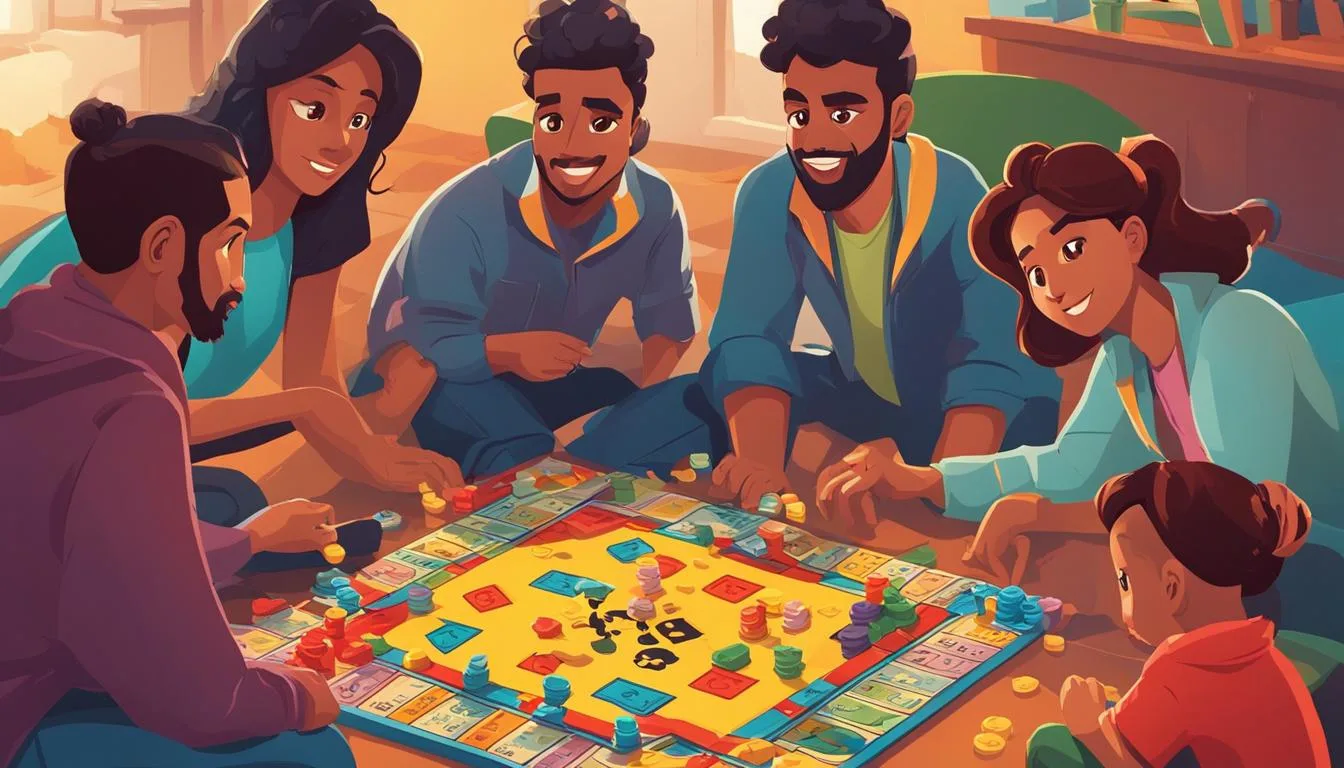
Brainiac Challenging Trivia Questions For All Ages offer the perfect way to test knowledge across different subjects and difficulty levels. Whether you’re hosting a family game night or organizing a competitive trivia event, having a solid collection of thought-provoking questions keeps everyone engaged and learning.
The best trivia questions strike a balance between being challenging enough to make people think, yet accessible enough that players of different ages can participate. From science and history to pop culture and geography, well-crafted trivia questions create memorable moments and spark interesting conversations long after the game ends.
TL;DR
- Mix 60% easy, 30% medium, and 10% hard questions to keep all ages engaged during trivia games.
- Include at least 8 different categories like science, history, sports, and entertainment for variety.
- Prepare 3-5 bonus questions worth double points to add excitement during close competitions.
- Keep question reading time under 15 seconds and allow 30 seconds for teams to discuss answers.
Brainiac Challenging Trivia Questions For All Ages
Creating the right mix of trivia questions requires understanding your audience and balancing difficulty levels appropriately. Start with questions that most people can answer to build confidence, then gradually increase the challenge as the game progresses.
The key to successful all-ages trivia lies in choosing topics that span different generations and interests. While younger players might excel at recent pop culture references, older participants often shine with historical events and classic literature questions.
Science and Nature Questions
- Easy: What gas do plants absorb from the atmosphere during photosynthesis?
- Medium: Which planet in our solar system has the most moons?
- Hard: What is the name of the theoretical boundary around a black hole beyond which nothing can escape?
History and Geography
- Easy: In which country would you find Machu Picchu?
- Medium: Who was the first person to walk on the moon?
- Hard: Which treaty ended World War I?
Structuring Your Trivia Game
Effective trivia games follow a clear structure that maintains energy and prevents confusion. Begin with easier warm-up questions to get everyone comfortable, then alternate between different categories to keep participants on their toes.
Consider implementing themed rounds or special challenge questions that offer bonus points. This approach works particularly well when you’re running trivia night events where competition levels vary significantly among participants.
- Opening Round. Start with 10 easy questions covering basic knowledge that most people can answer correctly.
- Category Rounds. Focus on specific topics like movies, sports, or geography for 5-8 questions each.
- Challenge Round. Present harder questions worth double points to separate competitive teams.
- Final Question. End with a high-stakes question that can change the game outcome.
Entertainment and Pop Culture
- Easy: What is the name of Harry Potter’s owl?
- Medium: Which movie won the Academy Award for Best Picture in 2020?
- Hard: What was Elvis Presley’s middle name?
Sports and Games
- Easy: How many players are on a basketball team during play?
- Medium: Which country has won the most FIFA World Cup tournaments?
- Hard: In what year were the first modern Olympic Games held?
Age-Appropriate Question Categories
Different age groups naturally gravitate toward certain topics, so including variety ensures everyone has moments to shine. Younger participants often excel with recent technology, current events, and modern entertainment questions.
Meanwhile, older players typically perform better with historical events, classic literature, and traditional cultural references. The magic happens when you blend these categories thoughtfully throughout your trivia party games to create inclusive competition.
Literature and Arts
- Easy: Who wrote the novel “Pride and Prejudice”?
- Medium: Which artist painted “The Starry Night”?
- Hard: In Shakespeare’s “Romeo and Juliet,” what are the names of the two feuding families?
Question Timing Strategy
Read each question twice at a steady pace, then give teams exactly 30 seconds to discuss and write their answers. This timing keeps the game moving while allowing proper consideration of challenging questions.
Food and Culture
- Easy: What spice is derived from the Crocus flower?
- Medium: Which country is credited with inventing pizza?
- Hard: What is the main ingredient in the Middle Eastern dish hummus?
Creating Memorable Bonus Rounds
Bonus rounds add excitement and give trailing teams opportunities to catch up during competitive play. Picture rounds work especially well for all-ages groups, as visual clues often transcend generational knowledge gaps.
Music rounds where you play song clips for identification create energy and get people moving. These interactive elements transform standard question-and-answer sessions into engaging family entertainment experiences that everyone remembers.
Technology and Innovation
- Easy: What does “WWW” stand for in a website address?
- Medium: Which company created the iPhone?
- Hard: In what year was the first computer virus created?
Mathematics and Logic
- Easy: What is 15% of 200?
- Medium: How many sides does a dodecagon have?
- Hard: What is the next number in this sequence: 2, 6, 12, 20, 30?
Frequently Asked Questions
How many questions should I prepare for a trivia game?
Prepare 50-75 questions for a standard game night, including extras in case of ties. Plan for about 2-3 questions per minute of gameplay to maintain good pacing.
What’s the best way to research trivia questions?
Use reliable sources like encyclopedias, educational websites, and fact-checking sites. Always verify answers from multiple sources before including questions in your game.
How do I handle disputed answers during trivia?
Establish clear rules before starting and have backup sources ready for verification. Consider allowing teams to challenge one answer per game with a small point penalty if they’re wrong.
Should I announce the correct answers immediately?
Wait until all teams have submitted their answers, then reveal the correct answer and give brief explanations for educational value. This approach keeps everyone engaged and learning.
Final Thoughts
Brainiac Challenging Trivia Questions For All Ages create opportunities for learning, competition, and connection across generations. The right mix of difficulty levels and diverse categories ensures everyone can participate meaningfully and contribute to their team’s success.
Start building your question collection this week, focusing on topics that interest your regular players while including enough variety to surprise them. With good preparation and thoughtful question selection, your next trivia event will challenge minds and create lasting memories for participants of every age.

As the founder of Friends Game Night, Ryan channels his enthusiasm for gaming into a platform that celebrates the magic of gathering friends around the digital or physical tabletop. Through his website, Ryan shares insightful articles, reviews, and recommendations, aiming to inspire others to create their own memorable gaming moments.
Subscribe to Our Newsletter