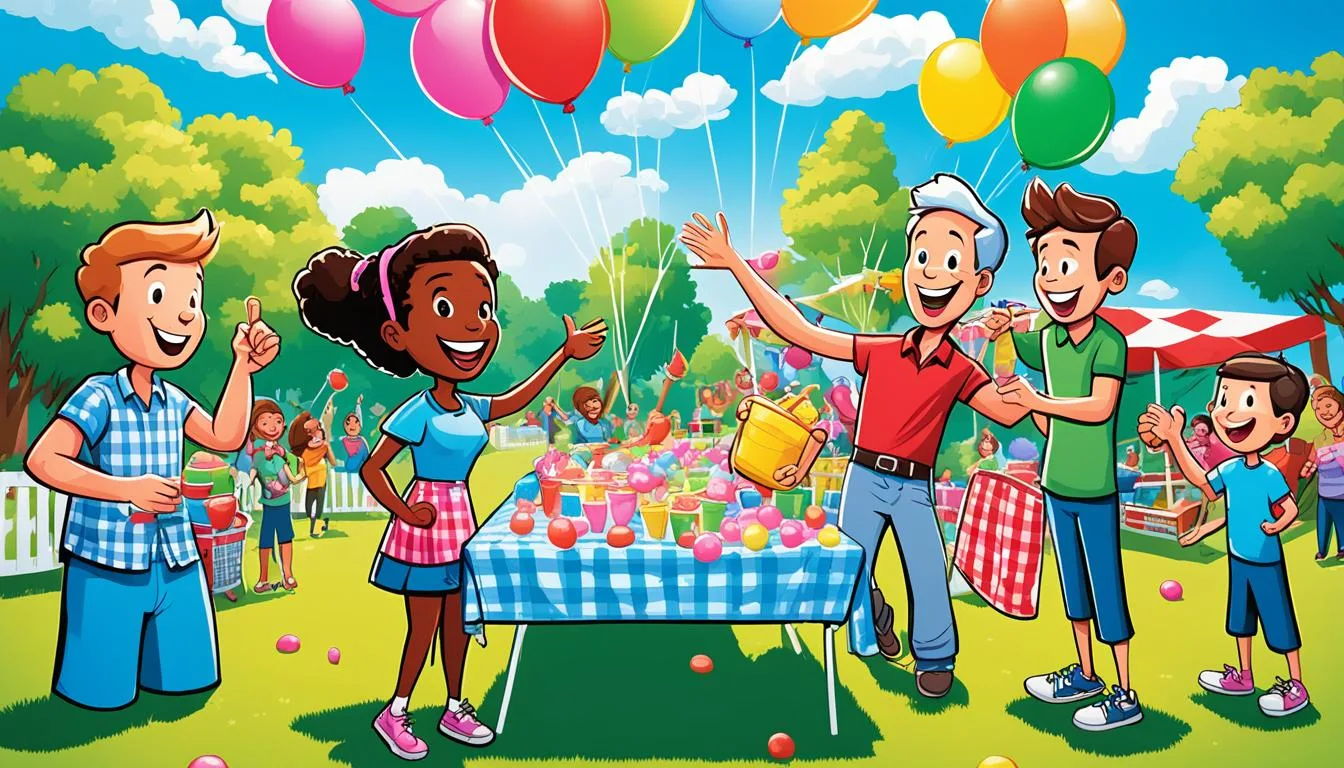
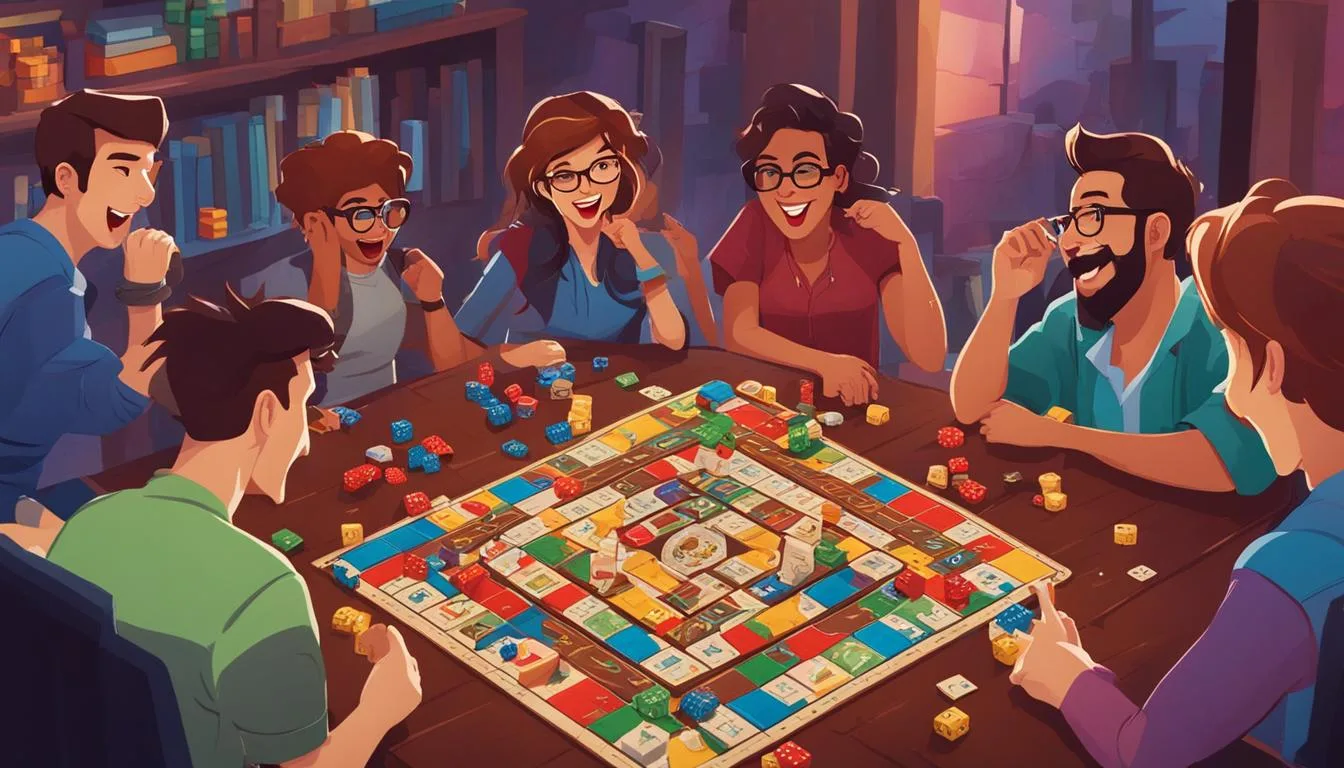
Classic Party Games That Never Get Old have been bringing people together for generations, creating laughter and memories that last long after the evening ends. These timeless activities prove that sometimes the simplest concepts work best when it comes to entertaining groups of friends and family.
The beauty of these traditional games lies in their ability to break down social barriers and get everyone involved, regardless of age or gaming experience. From childhood favorites that adults still love to games that have been passed down through families, these classics continue to deliver fun without requiring expensive equipment or complicated rules.
TL;DR
- Charades requires zero equipment and works perfectly for groups of 6-20 people of any age.
- Musical Chairs needs just one fewer chair than players and creates instant excitement for all ages.
- Twenty Questions can be played anywhere with 2 or more people using only your imagination.
- Duck Duck Goose works best with 8-15 players sitting in a circle and builds energy quickly.
Classic Party Games That Never Get Old
These games have stood the test of time because they tap into fundamental human desires for connection, competition, and creativity. They require minimal setup, work with various group sizes, and create instant entertainment that gets everyone participating.
Most classic party games share common traits that make them endlessly appealing – they’re easy to learn, inclusive for all skill levels, and generate genuine laughter and interaction. The best part is that many of these games cost nothing to play and can be adapted for different ages or group dynamics.
Guessing and Acting Games
Guessing games create natural excitement as players try to communicate without words or solve mysteries together. These activities bring out people’s creative and competitive sides while keeping everyone engaged as either participants or enthusiastic audience members.
Charades
Charades remains the ultimate party game because it transforms even shy guests into animated performers. Players act out movies, books, songs, or phrases without speaking while their team tries to guess the answer within a time limit.
- Setup – Write prompts on paper slips, divide into teams, and set a timer for 60-90 seconds per turn.
- Categories – Movies, TV shows, books, songs, famous people, or everyday activities work well.
- Tips – Use standard gestures like finger counts for syllables and hand motions for “sounds like.”
Twenty Questions
This classic thinking game challenges players to identify a mystery object, person, or concept using only yes-or-no questions. One person thinks of something while others take turns asking questions to narrow down the possibilities.
The game works perfectly as an icebreaker since it gets people thinking creatively and strategically. Players learn to ask broad questions first before getting specific, developing logical reasoning skills while having fun.
Mix Up Your Categories
Rotate between different types of prompts to keep games fresh – use movies one round, then switch to animals or household objects. This prevents players from falling into predictable patterns.
Active Movement Games
Physical games add energy and excitement to any gathering while getting people out of their chairs and moving around. These classics work especially well for high-energy party games for active fun when you want to boost the room’s energy level.
Musical Chairs
Musical Chairs creates instant excitement as players compete for limited seating when the music stops. Set up chairs in a line with one fewer chair than the number of players, then play music while everyone walks around them.
When the music stops, players scramble to find seats, and whoever remains standing is eliminated along with one chair. The game continues until only one player and one chair remain, building suspense with each elimination round.
Duck Duck Goose
This childhood classic gets everyone sitting in a circle while one player walks around tapping others on the head saying “duck.” When they say “goose,” that person must chase them around the circle to tag them before they reach the empty spot.
The game works particularly well for mixed-age groups since it’s simple enough for children but silly enough to make adults laugh. It also provides a good balance of sitting and running that keeps energy levels manageable.
Circle and Group Games
Circle games bring people together literally and figuratively, creating a sense of unity while ensuring everyone can see and participate equally. These formats work well for both small intimate groups and larger gatherings.
Telephone
Telephone demonstrates how messages change as they pass from person to person, often resulting in hilarious misinterpretations. Players sit in a circle while one person whispers a phrase to their neighbor, who passes it along until it reaches the last person.
The final player announces what they heard, usually revealing a completely different message than the original. This game works perfectly for hilarious party games for laughter-filled nights since the results are unpredictably funny.
Hot Potato
Hot Potato builds suspense as players quickly pass an object around the circle while music plays or someone counts down. When the music stops or time runs out, whoever holds the “potato” is eliminated from the round.
- Objects – Use a ball, stuffed animal, or any safe item that’s easy to catch and throw.
- Timing – Vary the intervals to keep players guessing when the music will stop.
- Variations – Add challenges like tossing the object or passing with non-dominant hands.
Word and Thinking Games
Mental challenges engage players’ vocabulary and creativity while promoting friendly competition. These games often generate the most memorable quotes and inside jokes that groups reference long after the party ends.
I Spy
I Spy challenges players to identify objects based on visual clues, making it perfect for any location since it uses whatever’s available in the room. One player selects a visible object and gives a clue like “I spy something blue.”
Other players take turns guessing until someone identifies the correct object, then they become the next spy. The game encourages observation skills and works well as a calm activity between more energetic games.
Story Building
Story building games have players collaborate to create narratives one sentence or word at a time. Each person adds to the tale before passing it to the next player, resulting in creative and often absurd storylines that no one could predict.
These games work especially well for groups that enjoy wordplay wonders: word party games and creative expression. The collaborative nature means everyone contributes while the unpredictable results keep everyone entertained. Research from the American Psychological Association shows that collaborative games enhance social bonding and improve communication skills among participants.
Frequently Asked Questions
What makes a party game truly classic?
Classic party games survive because they’re easy to learn, require minimal equipment, work with various group sizes, and create genuine fun for multiple generations. They focus on interaction and laughter rather than complex rules or expensive components.
How many people do classic party games usually need?
Most classic party games work best with 6-15 people, though many can adapt for smaller or larger groups. Games like Twenty Questions work with just 2 people, while others like Musical Chairs can accommodate 20 or more players.
Can adults enjoy games they played as children?
Adults often have more fun with childhood games than expected because they trigger nostalgia and allow people to be playful without judgment. The shared familiarity also means no time is wasted explaining rules, so fun begins immediately.
What supplies do most classic party games require?
Most classic party games need minimal supplies – perhaps chairs for Musical Chairs, paper slips for Charades, or a simple object for Hot Potato. The best classics use items you already have or require no equipment at all.
Final Thoughts
Classic Party Games That Never Get Old continue to create magical moments because they prioritize human connection over flashy features or complicated mechanics. These time-tested activities prove that the best entertainment often comes from simple concepts that bring people together.
Start your next gathering with one of these classics and watch how quickly they break the ice and get everyone laughing together. Sometimes the old ways really are the best ways when it comes to creating unforgettable party memories.
class=”aligncenter size-large wp-image-443″ title=”Chess Pieces”
class=”aligncenter size-large wp-image-444″ title=”Scrabble Board”

As the founder of Friends Game Night, Ryan channels his enthusiasm for gaming into a platform that celebrates the magic of gathering friends around the digital or physical tabletop. Through his website, Ryan shares insightful articles, reviews, and recommendations, aiming to inspire others to create their own memorable gaming moments.
Subscribe to Our Newsletter