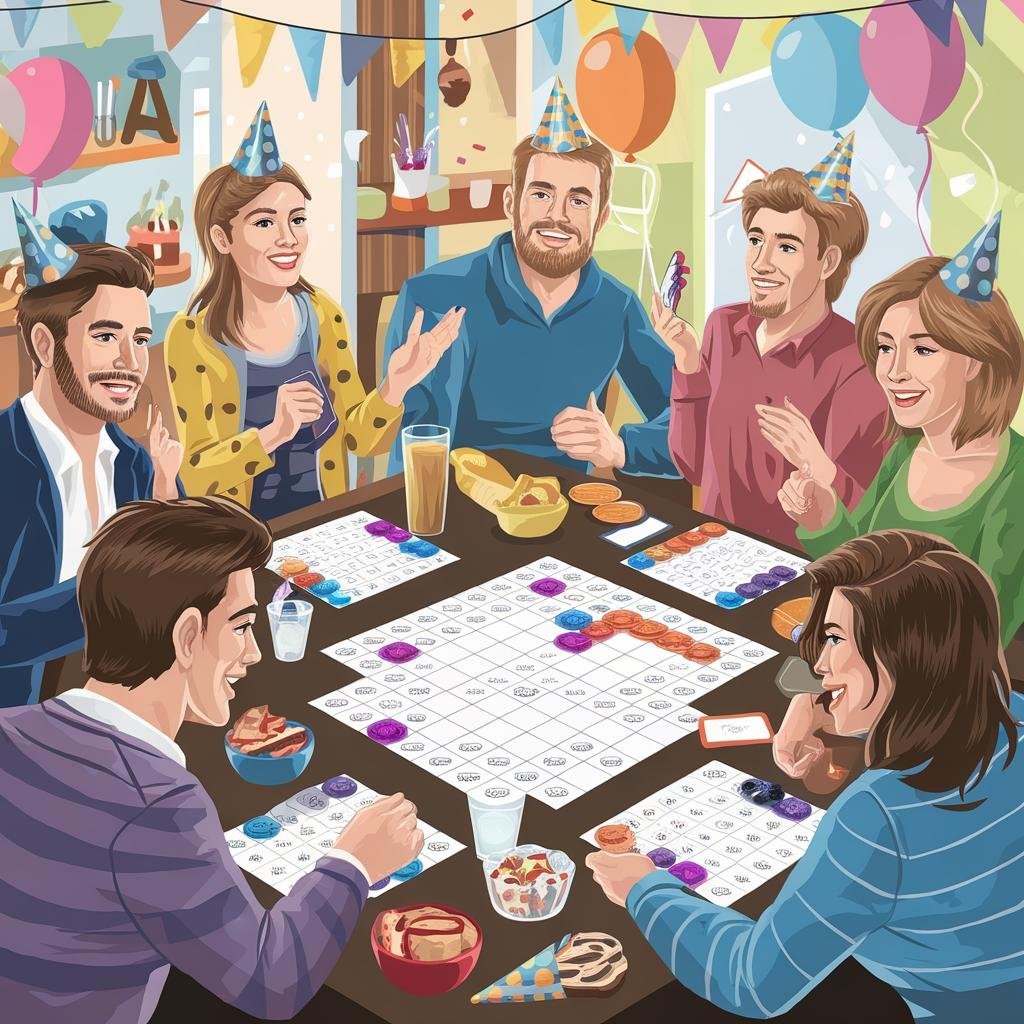
Codenames The Word Association Game For Clever Clues challenges players to think creatively and communicate through single-word hints. This team-based game turns simple word cards into an exciting battle of wits where spymasters give clues and field operatives try to identify their agents.
The game creates moments of brilliant connection and hilarious misunderstanding as teams race to contact all their agents first. Whether you’re playing with family or friends, Codenames rewards clever thinking and builds memorable shared experiences around the table.
TL;DR
- Teams of 2-8 players compete to identify their 9 agents using one-word clues from their spymaster.
- Spymasters can give clues that connect multiple words, like “Animal 3” for dog, cat, and bird cards.
- Games typically last 15-30 minutes with simple setup requiring only the word cards and key card.
- Avoid the assassin card at all costs – touching it immediately ends the game in defeat for your team.
Codenames The Word Association Game For Clever Clues
The basic premise involves two teams competing to identify their secret agents hidden among 25 word cards laid out in a grid. Each team has a spymaster who knows the locations of their agents and gives one-word clues to help teammates find them. The challenge lies in crafting clues that connect multiple words while avoiding the opposing team’s agents and the deadly assassin.
Setup takes just minutes – arrange 25 word cards in a 5×5 grid, then the spymasters share a key card showing which words belong to which team. Red team gets 9 agents, blue team gets 8 agents (red always goes first), 7 cards are innocent bystanders, and 1 card is the assassin that ends the game immediately if touched.
How Spymasters Give Effective Clues
The spymaster’s role requires balancing ambition with safety when giving clues. A clue consists of one word followed by a number indicating how many cards on the table relate to that word. For example, “Fruit 2” might point to both “Apple” and “Orange” cards on the board.
Smart spymasters consider multiple factors when crafting clues:
- Connection strength – Choose words that clearly link to your agents without stretching too far.
- Safety assessment – Avoid clues that might accidentally point to the assassin or opponent’s agents.
- Number strategy – Sometimes giving a clue for just one card is safer than risking a multi-word connection.
- Future planning – Consider how current clues might help or hinder future turns.
Field Operative Decision Making
Field operatives must interpret their spymaster’s clues while managing risk and communication within their team. Discussion among teammates helps explore different interpretations before making final decisions. The key is balancing confidence in obvious connections against the temptation to guess additional cards.
Teams can make multiple guesses per turn as long as they keep finding their agents, but one wrong guess ends their turn immediately. This risk-reward dynamic creates tension as teams decide whether to play it safe or push their luck for extra points.
Reading the Board Effectively
Successful field operatives develop skills for analyzing the word grid and their spymaster’s intentions. Look for obvious connections first, then consider more abstract relationships. Pay attention to your spymaster’s body language and reactions as you discuss possibilities with your team.
Remember that spymasters cannot give additional hints beyond their initial clue and number. If your spymaster looks concerned as you approach a particular card, trust that instinct and reconsider your choice.
Master the “Pass” Strategy
Don’t feel pressured to guess the maximum number of cards each turn. Passing after finding one or two agents often prevents costly mistakes and keeps momentum on your side.
Advanced Strategies and Tactics
Experienced players develop sophisticated approaches that go beyond basic word association. Spymasters learn to give clues that work on multiple levels, connecting words through categories, wordplay, or cultural references that their specific team will understand.
Consider these advanced techniques:
- Category overlap. Find cards that fit multiple categories, then use a clue that highlights the overlap.
- Elimination clues. Sometimes give clues for opponent’s words to help your team avoid them later.
- Setup clues. Plant connections early that you can build on in future turns.
- Cultural knowledge. Use references your team knows but opponents might miss.
Managing the Assassin Threat
The assassin card creates constant tension since touching it immediately loses the game. Spymasters must carefully avoid clues that could accidentally point to the assassin, while field operatives should always consider whether a potential guess might be the deadly card.
When in doubt, ask your team what they think about a particular card before touching it. The extra discussion often reveals concerns that prevent game-ending mistakes.
Variations and House Rules
Many groups develop house rules to customize their Codenames experience. Some popular variations include allowing compound words as clues, permitting proper nouns, or creating themed word sets for specific interests or occasions.
The game works well with different group sizes and skill levels. For beginners, consider using simpler clues and being more forgiving about interpretation. Advanced groups might enjoy stricter rules about what constitutes valid clues or add time pressure to increase difficulty.
Like other engaging party games such as Telestrations and Codenames Pictures, this word-based version creates memorable moments through creative communication. The game also pairs well with other thinking games like Hanabi for groups who enjoy cooperative challenges.
Frequently Asked Questions
How many players can play Codenames?
Codenames works best with 4-8 players split into two teams, though you can play with as few as 2 players taking turns as both spymaster and field operative.
Can spymasters give hints after their initial clue?
No, spymasters cannot provide any additional hints, gestures, or reactions once they give their clue and number. They must remain neutral while their team discusses and makes guesses.
What happens if we accidentally touch the assassin?
The game ends immediately and the team that touched the assassin loses. The opposing team wins regardless of how many agents they had left to find.
Are compound words allowed as clues?
The official rules prohibit compound words, but many groups allow them as house rules. Decide before starting whether words like “basketball” or “homework” are acceptable clues.
How long does a typical game last?
Most games finish within 15-30 minutes, though the exact time depends on how quickly teams make their guesses and how much discussion they have between turns.
Final Thoughts
Codenames The Word Association Game For Clever Clues offers an perfect blend of strategy and creativity that appeals to both casual and serious gamers. The simple rules hide surprising depth as players discover new ways to connect words and communicate with their teammates.
Whether you’re hosting unique game night ideas or looking for engaging family board games, Codenames delivers consistent entertainment that improves with repeated play as groups develop their own communication styles and inside references.
class=”aligncenter size-large wp-image-1520″ title=”Codenames gameplay variants”
class=”aligncenter size-large wp-image-1521″ title=”Deductive Reasoning in Codenames”

As the founder of Friends Game Night, Ryan channels his enthusiasm for gaming into a platform that celebrates the magic of gathering friends around the digital or physical tabletop. Through his website, Ryan shares insightful articles, reviews, and recommendations, aiming to inspire others to create their own memorable gaming moments.
Subscribe to Our Newsletter