
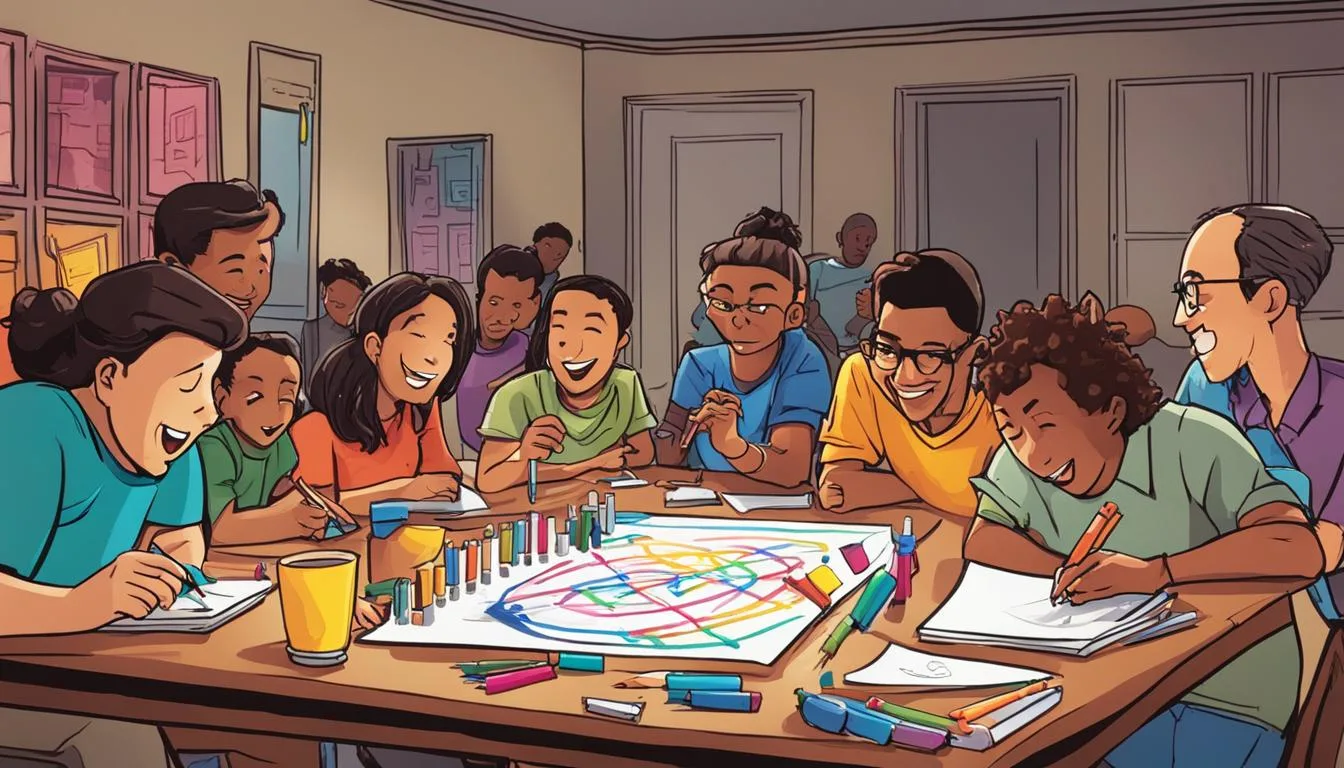
Drawing And Guessing Games offer some of the most entertaining and inclusive party experiences you can create. These games break down barriers, spark creativity, and generate endless laughter as players attempt to communicate through sketches and wild interpretations.
The beauty of drawing games lies in their simplicity – no artistic talent required, just willingness to have fun. Whether you’re hosting a small gathering or managing a large party, these games adapt easily and keep everyone engaged from start to finish.
TL;DR
- Pictionary requires just paper, pencils, and word cards – setup takes under 5 minutes for any group size.
- Telestrations combines drawing with telephone-style message passing, creating hilarious misinterpretations over 8 rounds.
- Drawing games work for ages 8 and up, making them perfect for mixed-age family gatherings and parties.
- Most drawing games finish in 30-45 minutes, keeping energy high without overstaying their welcome.
Drawing And Guessing Games That Guarantee Laughs
The classic Pictionary remains the gold standard for drawing games, but dozens of creative variations have emerged over the years. Each brings its own twist to the basic concept of drawing clues for teammates to guess.
What makes these games special is how they level the playing field – artistic ability matters far less than creative thinking and communication skills. Bad drawings often produce better laughs and more memorable moments than perfect sketches.
Pictionary: The Original Drawing Challenge
Pictionary divides players into teams where one person draws clues while teammates guess the answer within a time limit. The drawer cannot use letters, numbers, or speak during their turn, forcing them to communicate purely through pictures.
Standard Pictionary uses categories like people, places, objects, actions, and difficult concepts. Teams take turns drawing and guessing, earning points for correct answers within the time limit.
- Team Size – Works best with 4-8 players split into 2 teams
- Materials Needed – Large drawing pad, markers, timer, word cards
- Time Per Round – 60-90 seconds for drawing and guessing
- Game Duration – 30-45 minutes depending on point target
Telestrations: Drawing Meets Telephone
Telestrations combines drawing with the classic telephone game, where messages get hilariously distorted as they pass from player to player. Each player starts with a word, draws it, passes the drawing to the next player who writes what they think it shows, and continues around the circle.
After eight rounds of alternating drawing and guessing, players reveal the complete sequence from original word to final interpretation. The results are almost always absurd and entertaining, regardless of anyone’s artistic ability.
Quick Draw Variations
Speed drawing games add time pressure and competitive elements to the basic concept. Players might have only 30 seconds to draw their clue, or multiple teams might draw simultaneously while one guesser tries to identify all the drawings.
Reverse Pictionary flips the format – one person guesses while everyone else draws the same clue simultaneously. The guesser tries to identify the word by looking at multiple interpretations at once.
Create Better Clue Lists
Mix easy words with challenging concepts to keep games balanced. Include action words, emotions, and abstract ideas alongside concrete objects for variety.
Digital Drawing Games for Modern Groups
Online platforms have brought drawing games to video calls and mobile devices, making them accessible for remote gatherings. These digital versions often include automatic word generation, scoring, and replay features that streamline the experience.
Popular apps like Drawize, Skribbl.io, and Draw Something allow players to join games instantly without physical materials. Many include customizable word lists and different game modes to keep sessions fresh.
Hybrid Physical-Digital Options
Some groups combine physical drawing with digital elements, using tablets for drawing while displaying results on a shared screen. This approach works well for larger gatherings where everyone needs to see the artwork clearly.
Video conferencing tools with whiteboard features enable drawing games for remote participants. While not as smooth as dedicated apps, they work for casual family calls and virtual party games.
Advanced Drawing Game Formats
Themed drawing nights add structure and creativity to standard formats. Horror movie Pictionary, historical figures guessing, or food-only drawing challenges give players specific creative constraints to work within.
Collaborative drawing involves multiple artists working on the same picture simultaneously, either taking turns adding elements or dividing the drawing surface. This format creates unique artwork and requires players to build on each other’s ideas.
Tournament Style Competition
Bracket-style drawing tournaments work well for larger groups or extended game nights. Teams advance through multiple rounds with increasing difficulty levels, culminating in championship matches with the most challenging clues.
Point-based systems can track individual performance across multiple games, rewarding both successful guessing and effective drawing. This approach suits groups that enjoy ongoing competition and skill development.
- Bracket Format – 8-16 teams compete in elimination rounds
- Difficulty Progression – Easy words in early rounds, expert level in finals
- Time Adjustments – Shorter drawing time as rounds advance
- Special Challenges – Bonus rounds with unique rules or categories
Hosting Tips for Drawing Game Success
Preparation makes drawing games run smoothly and keeps energy high throughout the session. Have backup materials ready and clear rules established before starting to avoid interruptions during gameplay.
Large, visible drawing surfaces help everyone participate fully – small notepads frustrate both artists and guessers. Flip chart paper, whiteboards, or poster board provide adequate space for expressive drawings.
Managing Different Skill Levels
Mixed groups benefit from handicap systems that balance artistic differences. Give stronger drawers more challenging words or shorter time limits while helping nervous artists with encouraging teammates and easier starting clues.
Rotate roles frequently so everyone gets chances to draw and guess. Some players prefer one activity over the other, but experiencing both sides helps people appreciate the challenges involved.
Creating Inclusive Environments
Emphasize fun over winning to keep games lighthearted and welcoming. Celebrate creative interpretations and funny misunderstandings rather than focusing solely on correct answers.
Consider physical limitations when choosing drawing tools and surfaces. Some players may need larger grips, seated positions, or alternative materials to participate comfortably in large group activities.
Expanding Beyond Basic Formats
Storytelling drawing combines sequential art with guessing games, where teams create comic strips or storyboards that others interpret. This format encourages narrative thinking and collaborative creativity.
Blind drawing challenges add physical comedy as artists attempt to draw without looking at their paper. Partners guide the drawing process through verbal instructions, creating unpredictable and amusing results.
Educational Drawing Games
Learning-focused versions incorporate academic subjects like vocabulary building, historical events, or scientific concepts. These work particularly well for family game nights with school-age children.
Language learning groups use drawing games to practice new vocabulary without relying on translation. Visual communication helps reinforce word meanings and provides memorable context for unfamiliar terms.
Frequently Asked Questions
How many people can play drawing games at once?
Most drawing games work with 4-12 players, though larger groups can participate with modified rules and bigger drawing surfaces.
Do you need artistic skills to enjoy drawing games?
No artistic ability is required – bad drawings often create more laughs and memorable moments than perfect sketches.
What age groups can play drawing and guessing games?
These games work for ages 8 and up, making them ideal for mixed-age family gatherings and multigenerational parties.
How long do typical drawing games last?
Most sessions run 30-45 minutes, though tournament formats can extend to 2+ hours with breaks between rounds.
Final Thoughts
Drawing And Guessing Games create shared experiences that bring people together through creativity and laughter. These activities break down social barriers and give everyone permission to be silly while working toward common goals.
Start with classic Pictionary for your next gathering, then experiment with variations that match your group’s interests and energy level. The memories you create will last long after the drawings are erased.


As the founder of Friends Game Night, Ryan channels his enthusiasm for gaming into a platform that celebrates the magic of gathering friends around the digital or physical tabletop. Through his website, Ryan shares insightful articles, reviews, and recommendations, aiming to inspire others to create their own memorable gaming moments.