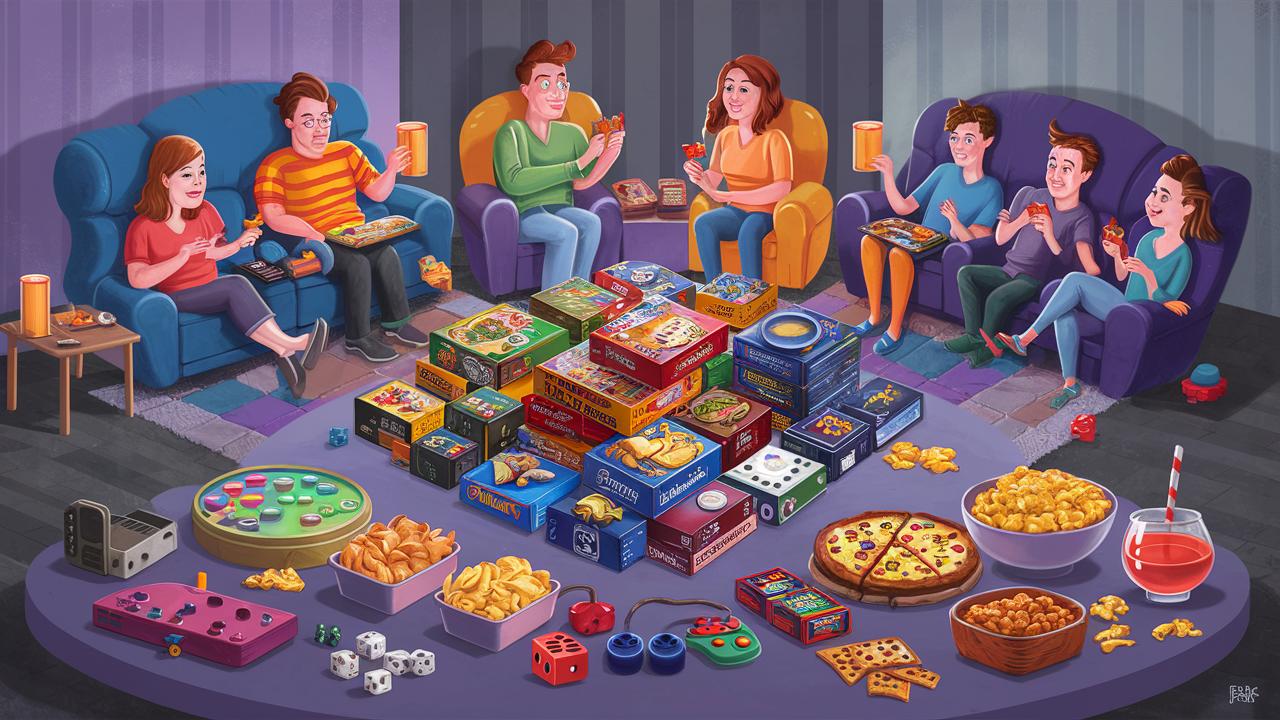
Expanding Your Game Collection can feel overwhelming with hundreds of new releases hitting shelves each year alongside timeless classics that have entertained players for decades. Whether you’re building your first collection or adding to an established library, knowing which games deserve space on your shelf makes all the difference.
Smart collectors balance fresh experiences with proven favorites, creating a diverse library that keeps game nights exciting. The key is understanding which new releases offer lasting value and which classics remain relevant for modern players.
TL;DR
- Budget $200-400 annually for a growing collection, splitting 60% on proven classics and 40% on new releases.
- Start with 8-12 core games covering different player counts (2-player, 3-4 player, and 5+ player options).
- Check BoardGameGeek rankings and reviews before buying – games rated 7.5+ typically offer long-term value.
- Buy classics during holiday sales (30-50% off) and pre-order anticipated new releases for exclusive content.
Expanding Your Game Collection: Smart Strategies
Building a game collection requires strategy beyond impulse purchases. Start by identifying gaps in your current library – do you need more 2-player games, party games for large groups, or quick filler games?
Consider your group’s preferences and play frequency when making decisions. A $60 strategy game that hits the table monthly provides better value than a $30 party game played twice a year.
Essential Categories for Every Collection
- Gateway Games – Easy-to-learn titles like Ticket to Ride or Splendor for introducing new players.
- Strategy Games – Medium-weight options such as Wingspan or Azul for experienced groups.
- Party Games – Social titles like Codenames or Just One for larger gatherings.
- Two-Player Games – Dedicated 2-player experiences like Patchwork or 7 Wonders Duel.
- Quick Fillers – 15-30 minute games like Love Letter or Sushi Go for time constraints.
New Releases Worth Your Attention
Each year brings innovative mechanics and fresh takes on familiar themes. Focus on games from established publishers like Stonemaier Games, Days of Wonder, or Czech Games Edition for consistent quality.
Watch for games that introduce new mechanics or improve existing ones. Recent standouts include Cascadia for tile-laying innovation and Dune: Imperium for deck-building advancement.
Evaluating New Releases
- Check Publisher Reputation. Established publishers typically offer better component quality and rulebook clarity.
- Read Multiple Reviews. Look for consensus across different reviewers rather than relying on single opinions.
- Consider Replayability. Games with variable setups, multiple strategies, or expansion potential offer lasting value.
- Assess Learning Curve. Ensure the complexity matches your group’s preferences and experience level.
Timeless Classics That Endure
Classic games earn their reputation through decades of consistent play and broad appeal. These titles often feature simple rules with deep strategic possibilities, making them accessible to new players while remaining engaging for veterans.
Many classics receive updated editions with improved components or streamlined rules. The enduring appeal of classic board games lies in their proven track record of creating memorable experiences across different player groups.
Must-Have Classic Games
- Monopoly – The property-trading giant that defined family game night for generations.
- Scrabble – Word-building excellence that challenges vocabulary and spatial thinking.
- Chess – The ultimate strategy game with infinite depth and global recognition.
- Risk – Area control and negotiation wrapped in world conquest theme.
- Clue – Deduction and logic in a murder mystery setting.
Budget-Friendly Expansion Tips
Join local board game groups to try before buying, and check library game collections for free play opportunities. Many games offer similar experiences, so avoid redundancy in your collection.
Modern Classics Bridging Old and New
Some recent games have already achieved classic status through widespread appeal and consistent play. These modern classics often improve on traditional mechanics while maintaining accessibility.
Games like Catan, Ticket to Ride, and Pandemic represent the current generation of classics that will likely remain popular for years to come. They demonstrate how modern game design can create lasting appeal through balanced mechanics and engaging themes.
Identifying Future Classics
- Broad Appeal – Games that work well across different age groups and experience levels.
- Elegant Mechanics – Simple rules that create meaningful decisions and player interaction.
- Strong Theme Integration – Mechanics that support and enhance the game’s theme.
- Consistent Publisher Support – Companies that continue promoting and supporting their games long-term.
Building Your Collection Strategically
Avoid the common mistake of buying too many similar games. Considerations for choosing the right games include player count flexibility, setup time, and theme preferences of your regular gaming group.
Track your collection using apps like BoardGameGeek collection tools or simple spreadsheets to identify gaps and prevent duplicate purchases. Note which games see regular play and which gather dust to inform future buying decisions.
Collection Management Tips
- Set Annual Budgets. Determine how much you’ll spend on games each year and stick to it.
- Trade or Sell Unused Games. Clear shelf space and fund new purchases by moving games that don’t get played.
- Research Before Buying. Watch gameplay videos and read reviews to ensure games match your expectations.
- Consider Storage Needs. Factor in shelf space and organization when selecting games of different sizes.
Where to Find the Best Deals
Smart shoppers know when and where to find discounts on both new releases and classics. Online retailers often offer pre-order discounts, while local game stores provide opportunities to see games in person before purchasing.
Holiday sales, convention exclusives, and publisher sales provide significant savings opportunities. Many online platforms offer price tracking to alert you when specific games reach target prices.
Frequently Asked Questions
How many games should I own?
Most casual groups find 15-25 games provides sufficient variety without overwhelming choice. Focus on quality over quantity when building your collection.
Should I buy expansions for games I already own?
Only buy expansions for games that see regular play in your group. Expansions typically add complexity, so ensure your group enjoys the base game first.
How do I know if a new release is worth buying?
Check BoardGameGeek ratings, watch multiple review videos, and consider whether the game fills a gap in your collection or offers something genuinely new.
What’s the best way to try games before buying?
Join local board game groups, visit board game cafes, attend conventions, or check if your library has a game collection for borrowing.
Final Thoughts
Expanding Your Game Collection becomes more rewarding when you balance new discoveries with time-tested favorites. Focus on games that match your group’s preferences and play frequency rather than chasing every new release.
Start with one new game this month – either a modern classic you’ve been considering or a highly-rated recent release that fills a gap in your collection.

As the founder of Friends Game Night, Ryan channels his enthusiasm for gaming into a platform that celebrates the magic of gathering friends around the digital or physical tabletop. Through his website, Ryan shares insightful articles, reviews, and recommendations, aiming to inspire others to create their own memorable gaming moments.
Subscribe to Our Newsletter