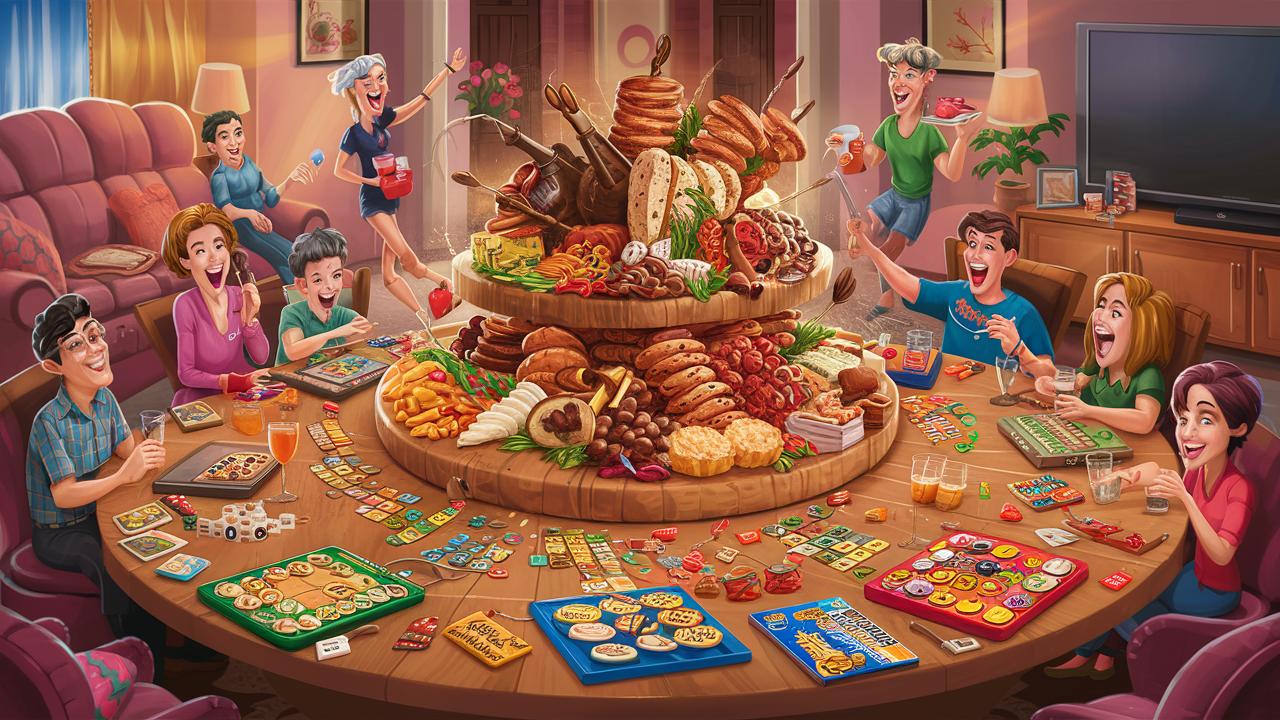
Game Night Charcuterie Board setups transform ordinary gaming sessions into memorable culinary experiences that keep friends engaged between rounds. The combination of easy-to-eat finger foods and strategic game placement creates the perfect atmosphere for extended play sessions.
A well-planned charcuterie spread eliminates the need for formal meal breaks while providing sustained energy for competitive gaming. Your friends will appreciate having quality snacks within reach, and you’ll love how simple it is to prepare compared to cooking a full dinner.
TL;DR
- Plan 3-4 ounces of meat and cheese per person for a 4-hour game night session.
- Include at least 2 non-messy options like grapes and nuts to protect game components from greasy fingers.
- Set up the board 30 minutes before guests arrive to allow cheeses to reach room temperature for optimal flavor.
- Budget $25-35 for a charcuterie board that feeds 6-8 people comfortably throughout the evening.
Game Night Charcuterie Board Planning
The key to a successful game night charcuterie board lies in selecting foods that won’t interfere with gameplay while providing satisfying variety. Focus on items that can be eaten with one hand, leaving the other free for moving game pieces or holding cards.
Start your planning by considering the length of your gaming session and the number of players. A typical 4-6 hour game night requires more substantial offerings than a quick 2-hour session, and competitive players tend to snack more frequently during intense moments.
Essential Components for Gaming Success
Your charcuterie board should balance flavor, convenience, and cleanliness to enhance rather than hinder the gaming experience. These core elements work best for maintaining game flow while keeping everyone satisfied.
Clean-Eating Proteins
- Salami and pepperoni – Pre-sliced options reduce mess and provide quick energy.
- Turkey or ham rolls – Easy to grab without transferring oils to fingers.
- Hard-boiled eggs – Protein-rich option that’s completely contained.
- Cheese cubes – Cut into bite-sized pieces for one-handed eating.
Game-Friendly Accompaniments
- Crackers in small bowls – Prevents crumb scatter across the gaming table.
- Grapes and berries – Natural finger foods that don’t leave residue.
- Nuts in portions – Individual small bowls reduce double-dipping.
- Vegetable sticks – Carrots and bell peppers provide satisfying crunch.
Strategic Board Layout
Position your charcuterie board where all players can reach it easily without disrupting active gameplay. The ideal setup places the board on a separate side table or counter adjacent to your main gaming area.
Create multiple access points by arranging items in a logical flow from least to most messy. Place napkins and wet wipes at both ends of the spread, and consider using small plates to encourage players to load up rather than reaching across the board repeatedly.
Pro Gaming Tip
Set up designated “snack breaks” between game rounds or during natural pauses. This prevents constant reaching and maintains game momentum while everyone refuels together.
Timing Your Setup
Prepare your charcuterie board 30-45 minutes before guests arrive to allow flavors to develop and temperatures to normalize. Room temperature cheese tastes significantly better than cold cheese straight from the refrigerator.
Cover the completed board with a clean kitchen towel until game time to maintain freshness while preventing items from drying out. This also creates an element of anticipation when you unveil the spread as friends arrive.
Budget-Friendly Assembly Tips
Creating an impressive charcuterie board doesn’t require expensive specialty items or gourmet ingredients. Focus on quality basics from your regular grocery store and supplement with a few special touches.
Shop the deli counter for exact portions rather than buying full packages of multiple meats and cheeses. Most delis will slice small amounts of several varieties, giving you more variety for less money and reducing waste.
- Start with the base. Use a large cutting board, serving tray, or even a clean baking sheet as your foundation.
- Add anchor items. Place small bowls for nuts, olives, or spreads to create structure and prevent rolling.
- Layer in proteins. Fan out meats and arrange cheese cubes or slices in appealing clusters.
- Fill with color. Add fruits and vegetables to create visual interest and nutritional balance.
- Finish with tools. Include small spoons for spreads and cocktail picks for easy grabbing.
Pairing with Game Types
Different gaming styles call for different charcuterie approaches, and understanding your evening’s planned activities helps you make better food choices. Strategy games that require intense concentration benefit from lighter, less distracting options.
For competitive strategy sessions, focus on brain-boosting foods like nuts, dark chocolate, and fruits that provide steady energy without sugar crashes. Party games allow for more indulgent options since the atmosphere is typically more relaxed and social.
Long Session Considerations
Games that run 3+ hours need heartier options to prevent hunger from derailing the experience. Include more substantial proteins and consider adding a simple dip like hummus or cheese spread with sturdy crackers.
Keep backup snacks ready in the kitchen for extended sessions, especially if you’re hosting multiplayer board game nights that might run longer than expected.
Frequently Asked Questions
How much food should I prepare for a 6-person game night?
Plan for 3-4 ounces of meat and cheese per person, plus 1-2 cups of additional items like crackers, fruits, and nuts. This provides enough variety and quantity for a 4-6 hour gaming session without overwhelming leftovers.
What foods should I avoid on a game night charcuterie board?
Skip messy items like soft cheeses with rinds, anything requiring utensils, overly crumbly crackers, or foods with strong odors. Chocolate can melt and transfer to cards, while powdered or heavily seasoned nuts leave residue on fingers.
How do I keep the charcuterie board fresh during long gaming sessions?
Refresh the board halfway through extended sessions by adding new items and removing anything that’s been sitting out for more than 3 hours. Keep backup portions refrigerated and rotate them in as needed.
Can I prepare a charcuterie board the night before game night?
Prepare components separately the night before, but assemble the board the day of your event. Pre-cut vegetables, portion nuts into bowls, and slice meats, then cover and refrigerate everything until assembly time.
Final Thoughts
Game Night Charcuterie Board planning becomes second nature once you understand the balance between appealing presentation and practical functionality. The goal is creating an eating experience that enhances your gaming without creating distractions or mess.
Start with simple combinations and build your confidence over time, paying attention to what your gaming group enjoys most. Your friends will appreciate the thoughtful touch, and you’ll love how this approach keeps everyone happily fed and focused on the games.

As the founder of Friends Game Night, Ryan channels his enthusiasm for gaming into a platform that celebrates the magic of gathering friends around the digital or physical tabletop. Through his website, Ryan shares insightful articles, reviews, and recommendations, aiming to inspire others to create their own memorable gaming moments.