
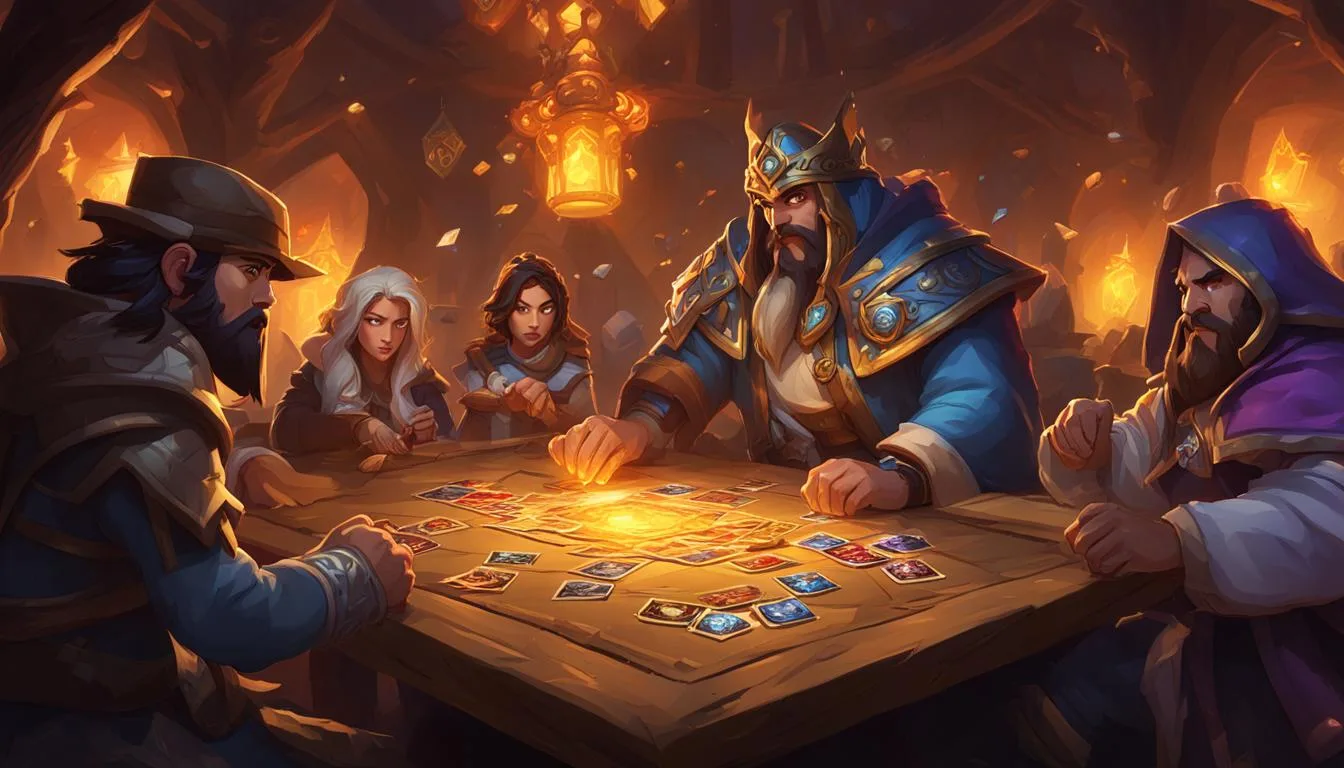
Hearthstone Navigating The Digital Card Battleground has captivated millions of players worldwide with its blend of strategic depth and accessible gameplay. Since its launch by Blizzard Entertainment, this free-to-play digital card game has redefined what it means to duel in the World of Warcraft universe.
Whether you’re a complete newcomer or looking to sharpen your skills, understanding the core mechanics and strategies will help you climb the ranks. The game’s unique digital format offers advantages that physical card games simply can’t match – instant matchmaking, automated rule enforcement, and spectacular visual effects that bring each card to life.
TL;DR
- Start with the free Basic and Classic sets, which contain 240+ cards to build your initial decks.
- Focus on learning the 10 hero classes, each with unique powers that activate for 2 mana per turn.
- Aim to control the board by turn 4-5, as most games are decided by turn 8-10.
- Daily quests reward 50-100 gold, letting you earn approximately 1 card pack every 2-3 days through regular play.
Hearthstone Navigating The Digital Card Battleground Basics
Hearthstone operates on a straightforward turn-based system where each player starts with 30 health and aims to reduce their opponent to zero. Each turn, you gain one additional mana crystal up to a maximum of 10, creating a natural progression from simple early-game plays to powerful late-game finishers.
The game features 10 distinct hero classes, each representing a familiar Warcraft character like Jaina Proudmoore for Mage or Thrall for Shaman. Every class has access to neutral cards plus their own exclusive cards and a unique Hero Power that costs 2 mana to activate each turn.
Understanding Card Types
Hearthstone uses three main card types that form the foundation of all strategies. Minions are creatures you summon to fight for you, with Attack and Health values that determine their combat effectiveness.
Spells provide immediate effects ranging from direct damage to card draw or board clearing abilities. Weapons equip to your hero, allowing them to attack directly while taking damage in return – a risk-reward mechanic that adds tactical depth.
Building Your First Competitive Deck
New players receive a complete set of Basic cards for each class, providing enough tools to create functional decks right away. Focus on learning one or two classes thoroughly rather than jumping between all 10, as each requires different strategic approaches and card evaluation skills.
The key to early deck building success lies in understanding mana curve – the distribution of cards across different mana costs. A well-balanced deck typically includes cards costing 1-3 mana for early board presence, 4-6 mana cards for mid-game power plays, and a few high-cost finishers.
Essential Deck Archetypes
- Aggro – Fast decks focused on dealing quick damage with low-cost minions and direct damage spells.
- Control – Patient decks that use removal spells and healing to survive until powerful late-game cards can dominate.
- Midrange – Balanced decks that play efficiently costed minions and adapt to different matchups.
- Combo – Specialized decks built around specific card combinations that can win games instantly.
Mastering the Mulligan Phase
The mulligan phase occurs before each game starts, allowing you to replace up to 3 cards from your opening hand. This decision often determines whether you’ll have early game momentum or struggle to keep pace with your opponent.
Generally, keep cards costing 1-3 mana that you can play in your first few turns, while discarding expensive cards that won’t be useful until later. Against aggressive decks, prioritize early minions and removal spells, while against slower decks you can afford to keep slightly higher-cost value cards.
Reading Your Opponent
Each class tends toward certain strategies, giving you valuable information during the mulligan phase. Face Hunter decks want to end games quickly, so keep healing and early board control cards. Control Warrior aims for the late game, allowing you to be greedier with your mulligan choices.
Track Your Opponent’s Cards
Hearthstone shows you how many cards your opponent has drawn and played each turn. Use this information to predict their hand size and potential plays, especially important when playing around board-clearing spells or combo pieces.
Advanced Strategic Concepts
Board control represents the fundamental strategic concept in Hearthstone – whoever controls more minions typically dictates the pace of the game. Efficient trading involves using your minions and spells to remove opponent threats while preserving your own board presence.
Card advantage becomes crucial in longer games, where the player who draws more useful cards often wins. This might mean using one card to eliminate two enemy minions, or choosing value-generating cards over pure tempo plays.
Tempo vs Value Decisions
Every turn presents choices between tempo plays (immediate board impact) and value plays (long-term card advantage). Playing a 4-mana 4/5 minion provides immediate tempo, while playing a card that draws two more cards generates value for future turns.
Understanding when to prioritize each approach separates good players from great ones. Against aggressive decks, tempo often matters more, while control matchups reward patient value accumulation.
Resource Management and Win Conditions
Successful Hearthstone players think several turns ahead, planning their mana usage and card sequencing to maximize efficiency. Sometimes holding back a powerful play for one turn creates better opportunities later, especially when setting up multi-card combinations.
Identify your deck’s primary win condition early in each game – whether that’s overwhelming the board with minions, assembling a specific combo, or grinding out value in the late game. This focus helps guide your mulligan decisions and turn-by-turn play choices.
Popular Competitive Formats
- Standard Format. Uses cards from the most recent sets, creating a constantly evolving metagame as older cards rotate out yearly.
- Wild Format. Includes all cards ever released, allowing for more powerful combinations but requiring extensive card knowledge.
- Arena Draft. Players build decks by selecting from randomly offered cards, emphasizing card evaluation skills over collection size.
- Battlegrounds. Auto-battler mode where players recruit and upgrade minions to fight other players’ teams.
The ranked ladder system rewards consistent play and improvement, with monthly resets that give everyone fresh opportunities to climb. Many players find strategic thinking skills from other games translate well to Hearthstone’s decision-making challenges.
Similar to how Magic: The Gathering deck building requires careful mana curve consideration, Hearthstone rewards players who understand resource management and timing. The digital format eliminates the physical shuffling and rule enforcement that can slow down games, letting you focus purely on strategic decisions.
Expanding Your Collection Efficiently
Hearthstone’s free-to-play model provides multiple ways to earn cards without spending money, though progress requires patience and smart resource management. Daily quests offer reliable gold income, while weekly Tavern Brawls provide free card packs for participating.
Focus your early investments on Classic packs, which contain evergreen cards that never rotate out of Standard format. Once you have a solid foundation, target the most recent expansion packs to stay current with the competitive metagame.
Dust Economy Management
The crafting system lets you disenchant unwanted cards for Arcane Dust, which can then create specific cards you need. Resist the urge to craft cards immediately – wait until you’re committed to a specific deck archetype to avoid wasteful spending.
Legendary cards cost 1600 dust to craft but only give 400 dust when disenchanted, making crafting decisions particularly important. Prioritize versatile legendaries that fit multiple deck types over narrow combo pieces that only work in specific strategies.
Frequently Asked Questions
How long does it take to learn Hearthstone basics?
Most players grasp the fundamental rules within their first few games, though developing competitive skills takes weeks or months of regular play.
Can I compete without spending money on cards?
Yes, dedicated free-to-play players can reach high ranks, though building competitive decks takes longer without purchasing packs.
Which class should beginners start with?
Mage and Hunter offer straightforward gameplay with clear win conditions, making them ideal for learning core concepts.
How often does the game add new content?
Blizzard releases approximately 3 major expansions per year, each adding 130-135 new cards to keep the game fresh.
What’s the best way to improve at Hearthstone?
Watch professional streamers, analyze your losses to identify mistakes, and focus on mastering one deck archetype thoroughly before branching out.
Final Thoughts
Hearthstone Navigating The Digital Card Battleground offers an accessible entry point into competitive card gaming while maintaining enough depth to challenge experienced players. The game’s digital-first design eliminates many barriers that make physical card games intimidating for newcomers.
Start with the free content, focus on learning one class thoroughly, and gradually expand your knowledge as you climb the ranks. Like mastering chess fundamentals or understanding deck building principles, success in Hearthstone comes from consistent practice and strategic thinking rather than expensive cards alone.


As the founder of Friends Game Night, Ryan channels his enthusiasm for gaming into a platform that celebrates the magic of gathering friends around the digital or physical tabletop. Through his website, Ryan shares insightful articles, reviews, and recommendations, aiming to inspire others to create their own memorable gaming moments.