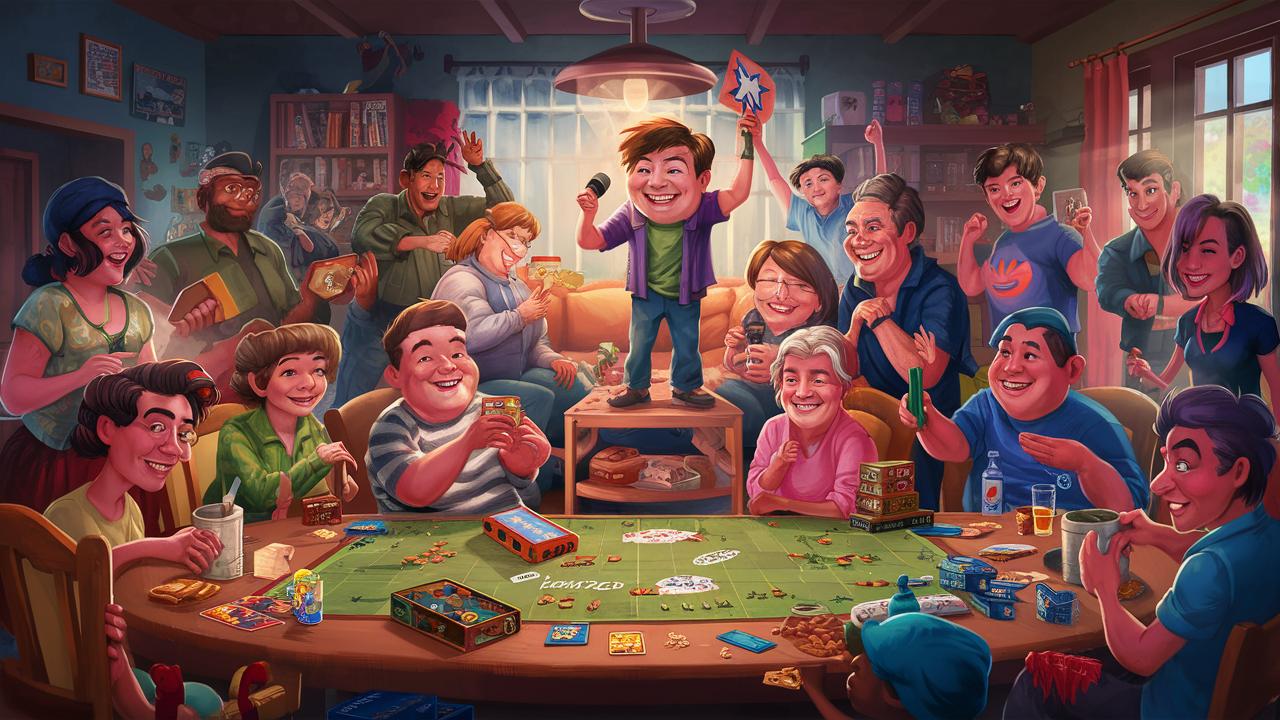
How To Run A Board Game Tournament At Home can transform your regular game nights into exciting competitive events that bring friends together for memorable experiences. Setting up a tournament structure adds anticipation and friendly rivalry that keeps everyone engaged throughout the evening.
Running a successful home tournament requires planning the format, selecting appropriate games, and creating a fair scoring system. With the right approach, you can host tournaments that become the highlight of your social calendar.
TL;DR
- Plan for 6-16 players with games lasting 30-90 minutes each for optimal tournament pacing.
- Use Swiss-system pairing for 4+ rounds to ensure everyone plays multiple games regardless of wins or losses.
- Award 3 points for first place, 2 for second, and 1 for third in each game to create balanced scoring.
- Prepare 2-3 backup games and have all rules printed or available digitally for quick reference.
How To Run A Board Game Tournament At Home
Home board game tournaments work best with clear structure and advance preparation. Start by deciding on your tournament format – single elimination creates drama but eliminates players early, while round-robin ensures everyone plays multiple games but requires more time.
The Swiss system offers the perfect middle ground, pairing players with similar records each round. This keeps competitive balance while ensuring no one sits out early, making it ideal for adult friend gatherings where everyone wants maximum play time.
Choosing the Right Games
Tournament games should play in 30-90 minutes and accommodate your player count effectively. Select games that minimize luck and reward skill, as this creates more satisfying competitive outcomes.
Consider these factors when selecting tournament games:
- Player count flexibility – Games that work with 3-6 players give you pairing options.
- Consistent play time – Avoid games with wildly variable durations that disrupt scheduling.
- Clear scoring systems – Points or ranking-based games translate easily to tournament formats.
- Moderate complexity – Games should be learnable but not overly simple for competitive play.
Popular Tournament Game Categories
Strategy games like Splendor, Azul, and King of Tokyo work excellently for tournaments. These games balance strategy with accessibility, ensuring new gamers can participate while offering depth for experienced players.
Party games can also work for tournament formats, especially when you want to include games that guarantee laughter and keep the atmosphere light and social.
Setting Up Tournament Brackets and Scoring
Create a simple point system that rewards consistent performance across multiple games. Award 3 points for first place, 2 points for second, 1 point for third, and 0 points for last place in each game.
For Swiss system tournaments, follow these steps:
- Round 1. Pair players randomly and record results after each game finishes.
- Subsequent rounds. Pair players with similar point totals, avoiding repeat matchups when possible.
- Final standings. Rank players by total points, using head-to-head records to break ties.
- Awards ceremony. Recognize winners and create fun categories like “Best Sport” or “Most Improved.”
Keep Games Moving
Set gentle time limits and have backup games ready if one table finishes early. This prevents long waits that can kill tournament energy.
Managing Tournament Logistics
Prepare your space with multiple gaming areas and ensure each has adequate lighting and seating. Create a central scoreboard visible to all players – a large whiteboard or poster board works perfectly for tracking results.
Stock up on essentials before tournament day:
- Scoresheets and pens – Have extras available for each table.
- Timers – Phone apps work well for managing round durations.
- Rule summaries – Print quick reference guides for each tournament game.
- Snacks and drinks – Keep energy high with easy-to-eat refreshments.
Handling Common Tournament Issues
Plan for odd numbers of players by having someone willing to sit out rounds or jump in as needed. Designate yourself or a non-playing friend as the tournament director to handle disputes and keep things running smoothly.
Address rule questions quickly by having official rulebooks available and establishing that the tournament director makes final rulings. This prevents lengthy debates that slow down the event.
Creating Tournament Atmosphere
Small touches make home tournaments feel special and memorable. Create simple certificates or prizes for winners, and consider themed decorations that match your game selection.
For larger events, consider incorporating elements from large group party games during breaks to keep non-playing participants engaged.
Virtual Tournament Options
Online platforms like Board Game Arena allow you to host tournaments with distant friends. Virtual game nights can include tournament structures just as easily as in-person events.
Use video calls to maintain social interaction and shared spreadsheets to track tournament standings across multiple online games.
Frequently Asked Questions
How many players work best for a home tournament?
Six to sixteen players create the ideal tournament size, allowing for multiple rounds while keeping the event manageable in a home setting.
How long should a tournament last?
Plan for 3-5 hours including breaks, which allows for 4-6 rounds depending on game length and player count.
What if someone has to leave early?
Award partial points based on current standings when players must leave, or designate alternates who can step in for final rounds.
Should I use the same game for all rounds?
Single-game tournaments create pure competition, while multi-game formats test broader skills – choose based on your group’s preferences.
Final Thoughts
How To Run A Board Game Tournament At Home becomes straightforward with proper planning and a focus on fun over ultra-serious competition. The key is balancing structure with flexibility to keep all participants engaged throughout the event.
Start with a simple format for your first tournament and build complexity as you gain experience hosting these exciting competitive gatherings.
src=”https://friendsgamenight.com/wp-content/uploads/Organizing-game-night-with-comfortable-seating-and-snacks-for-tournament-players-1024×585.jpeg” alt=”Organizing game night with comfortable seating and snacks for tournament players” title=”Organizing game night with comfortable seating and snacks for tournament players” width=”1024″ height=”585″ class=”aligncenter size-large wp-image-8005″ />

As the founder of Friends Game Night, Ryan channels his enthusiasm for gaming into a platform that celebrates the magic of gathering friends around the digital or physical tabletop. Through his website, Ryan shares insightful articles, reviews, and recommendations, aiming to inspire others to create their own memorable gaming moments.