
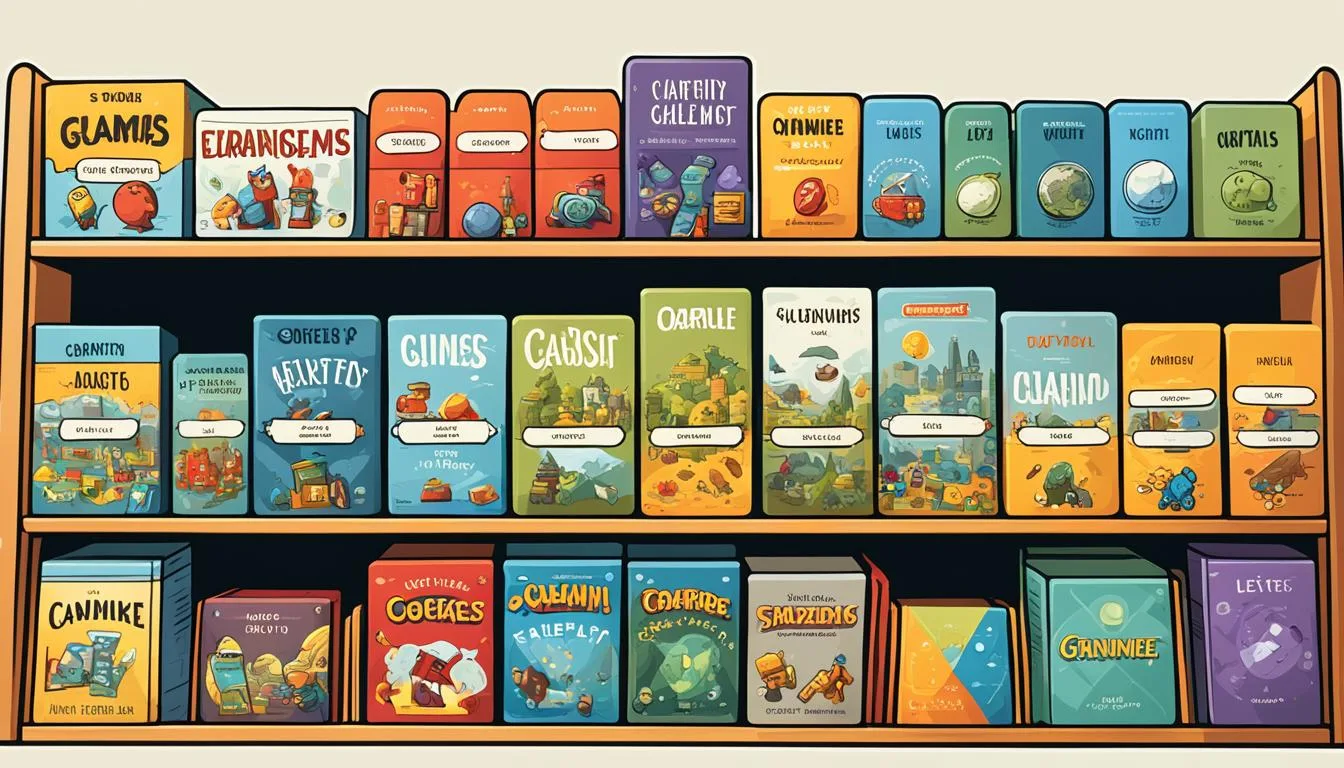
Labeling And Cataloging Your Games For Easy Access transforms chaotic game collections into organized systems where finding the perfect game takes seconds instead of minutes. A well-organized collection means more time playing and less time searching through boxes and shelves.
Whether you own twenty games or two hundred, proper labeling and cataloging prevents the frustration of knowing you own a game but spending ten minutes trying to locate it. Smart organization systems also help you track which games need expansions, identify gaps in your collection, and make setup faster for game nights.
TL;DR
- Use a numbering system with labels on both game boxes and shelf locations to find any game in under 30 seconds.
- Digital apps like Board Game Stats or LibraryThing let you scan barcodes to build catalogs with photos, player counts, and play times.
- Color-coded labels by game type (strategy=blue, family=green, party=red) help guests pick games without reading every box.
- Print spine labels with game names in large fonts so you can identify games from across the room.
Labeling And Cataloging Your Games For Easy Access
Start with a simple numbering system that assigns each game a unique number. Write this number on a small label placed in the same spot on every box – either the top-right corner or bottom spine works well. Then create a master list that matches each number to the game name, player count, and play time.
Digital catalogs work better than paper lists because you can search, sort, and update them easily. Apps like Board Game Stats, LibraryThing, or even a simple spreadsheet let you track ownership, wishlist items, and game details in one place.
Physical Labeling Systems
Spine labels make the biggest difference for finding games quickly. Print game names in large, bold fonts on white labels and stick them to the box spines so you can read them from several feet away. This works especially well when games are stored on shelves where only the spines are visible.
For games stored in storage boxes and bins, add clear window labels or photo labels to the outside. Take a photo of the game box and print it as a small label – this helps family members and guests identify games without reading text.
Color-Coded Organization
Use colored dots or labels to mark game categories:
- Blue – Strategy games and heavy euros
- Green – Family-friendly games for all ages
- Red – Party games and large group activities
- Yellow – Two-player games and couples’ games
- Purple – Cooperative games
Place these colored labels in the same corner of every box so people can spot game types at a glance. This system works particularly well for family board games where different age groups need different complexity levels.
Digital Cataloging Methods
Board Game Geek (BGG) integration makes cataloging easier since most apps can import your BGG collection automatically. If you already track games on BGG, apps like BG Stats can sync your collection and add play tracking features.
For simple cataloging, create a spreadsheet with these columns: Game Name, Player Count, Play Time, Complexity (1-5), Location/Shelf, and Notes. Include a photo column if your spreadsheet app supports images.
Barcode Scanning
Many board game apps include barcode scanning features that automatically add games to your catalog. Apps like Delicious Library or LibraryThing can scan UPC codes and pull in game details, photos, and BGG ratings instantly.
This method works best for newer games with standard UPC codes. Older games or small publisher releases might need manual entry, but scanning saves hours when cataloging large collections.
Location Tracking Systems
Assign location codes to your storage areas – A1 for the first shelf, B2 for the second shelf in a different room, or C1 for storage closets. Write these codes on small labels and stick them to shelves or storage areas.
Include location codes in your digital catalog so you can search for a game and immediately see where it lives. This system becomes essential when games are spread across multiple rooms or when you have efficient storage for expanding board game collections.
Quick Setup Tip
Take photos of game setups during your first play and save them in your digital catalog. These reference photos speed up future game nights and help other players set up games correctly.
Maintenance and Updates
Schedule catalog updates every three months to add new games, remove sold games, and update locations. Set phone reminders or add calendar events so this maintenance becomes routine rather than an overwhelming catch-up project.
When you move games around, update location codes immediately rather than waiting for the next maintenance session. Quick updates prevent the system from becoming unreliable.
Expansion Tracking
Mark base games and expansions clearly in your system. Use notation like “Wingspan + European Expansion” or create separate entries for each expansion. This prevents confusion when someone wants to play the base game but you only remember having the expansion.
Store expansions with their base games and update your location tracking accordingly. Some custom game inserts can hold both base games and expansions in one box, which simplifies storage and cataloging.
Frequently Asked Questions
What’s the easiest way to start cataloging a large existing collection?
Begin with a simple spreadsheet and add 10-15 games per day rather than trying to catalog everything at once. Start with your most-played games since you’ll reference those entries most often.
Should I catalog card games and small box games the same way?
Yes, but consider grouping small games in labeled containers or drawers with a single location code. Catalog each game individually but note they share storage space for easier organization.
How do I handle games that don’t fit standard shelving?
Create special location codes for oversized games like “OS1” for under-bed storage or “OS2” for closet floor space. Include dimensions in your catalog notes so you remember why these games need special storage.
What information is most important to track for each game?
Focus on player count, play time, complexity level, and storage location. These four details help you choose appropriate games for different group sizes and time constraints.
Final Thoughts
Labeling And Cataloging Your Games For Easy Access eliminates the common frustration of knowing you own a game but being unable to find it quickly. A good system pays for itself in saved time and reduced stress during game night preparation.
Start with basic numbering and spine labels this week, then add digital cataloging features as your system grows. Consistent maintenance keeps your organization system useful rather than letting it become another task on your to-do list.


As the founder of Friends Game Night, Ryan channels his enthusiasm for gaming into a platform that celebrates the magic of gathering friends around the digital or physical tabletop. Through his website, Ryan shares insightful articles, reviews, and recommendations, aiming to inspire others to create their own memorable gaming moments.