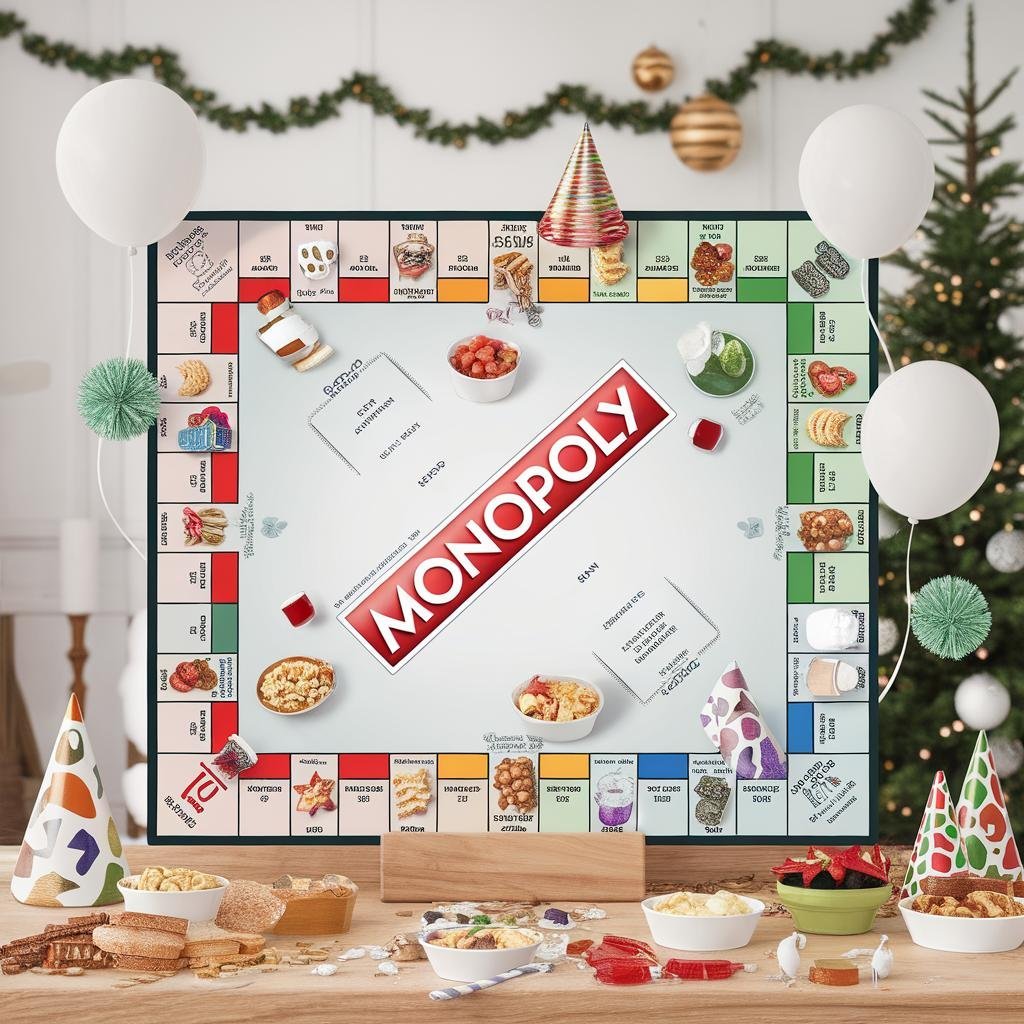
Monopoly Strategy Guide requires more than just rolling dice and hoping for the best. Success in this classic property trading game comes from understanding market dynamics, making smart investment choices, and knowing when to negotiate with other players.
The key to winning Monopoly lies in building a sustainable income stream through strategic property ownership. Players who focus on cash flow management and property monopolies consistently outperform those who rely purely on luck.
TL;DR
- Orange and red properties generate the highest rental income due to frequent landings from Jail positioning.
- Buy every property you land on during the first trip around the board to establish early market presence.
- Keep $500-700 in cash reserves to pay rent and avoid mortgage penalties that cost 10% interest.
- Build 3 houses per property instead of hotels to create housing shortages that block opponents.
Monopoly Strategy Guide Fundamentals
The foundation of winning Monopoly starts with understanding property values and traffic patterns. Classic board games like Monopoly reward players who think several moves ahead rather than making reactive decisions.
Early game strategy centers on aggressive property acquisition. Buy every property you land on during your first journey around the board, even if it means spending most of your starting cash.
Property Color Groups by Priority
- Orange Properties – Most landed due to Jail positioning and Chance cards directing traffic.
- Red Properties – Second most frequent landings with solid rental potential.
- Yellow Properties – Good traffic flow and reasonable development costs.
- Green Properties – Expensive to develop but devastating when opponents land.
Cash Flow Management
Maintaining proper cash reserves separates winning players from those who go bankrupt. Never spend your last dollar on property purchases, as unexpected rent payments can force costly mortgage decisions.
Keep between $500-700 in cash at all times during the mid-game. This buffer prevents you from mortgaging properties at a 10% penalty when opponents demand rent payments.
Revenue Optimization
- Collect $200 – Plan routes to pass GO frequently for steady income.
- Rental Income – Focus on properties that generate consistent cash flow.
- Avoid Taxes – Income Tax costs $200 while Luxury Tax takes $75.
- Mortgage Strategy – Only mortgage properties you don’t plan to develop soon.
Property Development Strategy
Building houses and hotels transforms low-rent properties into game-winning assets. The key lies in understanding when to develop and how many houses to build on each property.
Build three houses per property instead of upgrading to hotels. This strategy creates artificial housing shortages since the official Monopoly rules include only 32 houses total.
Housing Shortage Tactic
Keep houses at the three-house level to prevent opponents from developing their properties. This blocking strategy can effectively end their expansion plans.
Development Timeline
- Complete Color Groups. Trade aggressively to secure monopolies before opponents.
- Start with One House. Even single houses dramatically increase rent collection.
- Build Evenly. Rules require equal development across all properties in a group.
- Stop at Three Houses. Create housing shortages to block other players.
Trading and Negotiation Tactics
Successful trading requires understanding what other players need while protecting your own interests. Family board games often involve negotiation, but Monopoly takes this element to another level.
Never complete an opponent’s monopoly unless you receive immediate value that exceeds their future rental income. Calculate potential losses before agreeing to any trade.
Trading Principles
- Trade for Monopolies – Priority goes to completing your own color groups.
- Block Opponent Monopolies – Refuse trades that give others complete sets.
- Cash Plus Property – Include money to balance unequal property values.
- Future Rent Immunity – Negotiate free landing agreements on traded properties.
Advanced Winning Techniques
Experienced players use psychological tactics alongside mathematical strategy. Reading opponent behavior helps predict their next moves and identify profitable trading opportunities.
Watch for players who become desperate when cash runs low. These situations often present opportunities to acquire valuable properties at discount prices through strategic negotiations.
Endgame Strategy
- Force Bankruptcy – Target players with limited cash reserves and high-rent properties.
- Control Key Squares – Own properties near Jail where traffic concentrates.
- Maintain Liquidity – Keep enough cash to survive several bad dice rolls.
- Auction Awareness – Bid strategically when opponents decline property purchases.
Common Mistakes to Avoid
Many players focus too heavily on expensive properties while ignoring cash flow fundamentals. The green properties look attractive but require massive investments before generating meaningful returns.
Avoid buying railroads and utilities as primary investments. While these properties provide steady income, they rarely generate enough cash to fund serious property development campaigns.
Frequently Asked Questions
Which properties should I buy first in Monopoly?
Buy every property you land on during the first trip around the board. Focus on orange and red properties for long-term development due to their high traffic patterns.
How much cash should I keep in reserve?
Maintain $500-700 in cash reserves to pay unexpected rent and avoid mortgaging properties. This buffer prevents costly 10% mortgage penalties.
When should I start building houses?
Begin building houses immediately after completing a color group monopoly. Even one house per property significantly increases rental income.
Is the housing shortage strategy legal?
Yes, keeping houses at three per property to prevent opponents from building is completely legal. The game includes only 32 houses total by design.
Should I trade properties to help other players?
Only trade if you gain more value than you give away. Never complete an opponent’s monopoly unless you receive compensation that exceeds their future rental income.
Final Thoughts
Monopoly Strategy Guide principles focus on property acquisition, cash management, and strategic development timing. Players who master these fundamentals while avoiding common pitfalls consistently outperform opponents who rely on luck alone.
Start implementing these strategies during your next game night and watch your winning percentage improve dramatically.
class=”aligncenter size-large wp-image-973″ title=”Monopoly Strategy”
class=”aligncenter size-large wp-image-974″ title=”Monopoly Trading”

As the founder of Friends Game Night, Ryan channels his enthusiasm for gaming into a platform that celebrates the magic of gathering friends around the digital or physical tabletop. Through his website, Ryan shares insightful articles, reviews, and recommendations, aiming to inspire others to create their own memorable gaming moments.
Subscribe to Our Newsletter