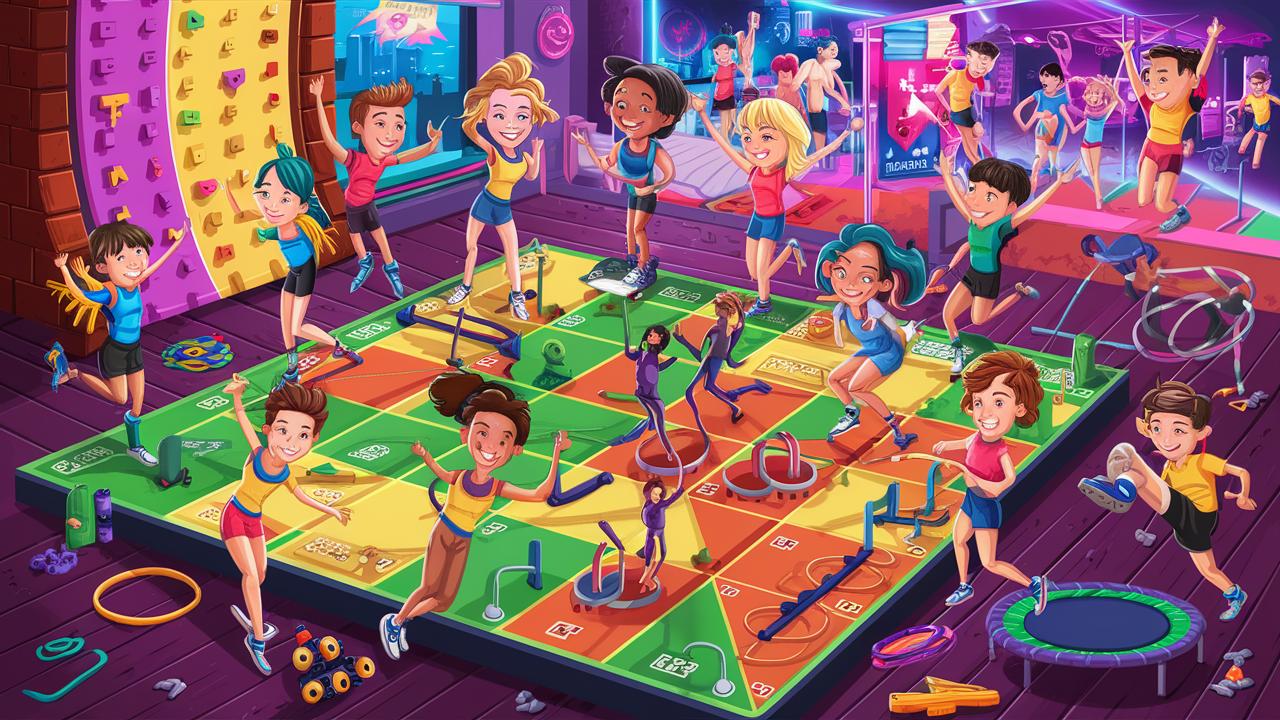
Physical Challenges For An Active Game Night bring energy and movement to your usual gaming routine. Instead of sitting around a table for hours, these challenges get everyone moving, laughing, and working up a light sweat while still enjoying the social aspects of game night.
Active game nights work perfectly for groups who want to break away from traditional board games and try something more dynamic. These physical challenges range from simple coordination tests to team-based competitions that will have your friends talking about the evening for weeks to come.
TL;DR
- Set up 5-7 rotating physical challenge stations to keep 8-12 people busy for 2-3 hours.
- Award points using a simple 3-2-1 system for first, second, and third place finishes in each challenge.
- Plan challenges requiring minimal equipment like plastic cups, balloons, and household items you already own.
- Include both individual contests and team challenges to accommodate different group dynamics and skill levels.
Physical Challenges For An Active Game Night
The key to successful physical challenges lies in choosing activities that everyone can participate in regardless of fitness level. Focus on coordination, balance, and silly fun rather than intense athletic ability.
Start with simpler challenges to warm up the group, then progress to more complex activities as people get comfortable. This approach ensures shy participants feel included while competitive players stay engaged throughout the evening.
Individual Challenge Ideas
Individual challenges let each person showcase their unique skills while creating friendly competition. These work especially well as icebreakers or when you need to fill time between team activities.
Balance and Coordination Tests
- One-Foot Stand Challenge – See who can balance on one foot the longest while holding a plastic cup of water without spilling.
- Book Balancing Race – Walk across the room with books stacked on your head, adding one book each successful trip.
- Balloon Keep-Up – Keep a balloon in the air using only your elbows, knees, or head – no hands allowed.
- Backwards Walking Course – Navigate a simple obstacle course walking backwards using only verbal directions from teammates.
Speed and Agility Contests
- Cup Stacking Pyramid – Build and break down cup pyramids as quickly as possible using plastic cups.
- Sock Sliding Competition – Slide across smooth floors in socks to hit targets or travel the farthest distance.
- Cotton Ball Transfer – Move cotton balls from one bowl to another using only a spoon held in your mouth.
Team Challenge Options
Team challenges build cooperation while maintaining the competitive spirit that makes game nights exciting. Mix up team assignments regularly to keep things fresh and give everyone a chance to work with different people.
Relay Race Variations
- Three-Legged Relay. Partners tie their legs together and navigate a course while carrying objects or completing tasks along the way.
- Blindfolded Navigation. One partner gives directions while the other navigates obstacles with eyes covered using household items as markers.
- Carrying Challenge. Teams transport items like balloons, cups of water, or pillows through obstacle courses without dropping them.
- Backwards Chain. Team members hold hands and move through challenges while the leader walks backwards and guides the group.
Building and Construction Challenges
These challenges combine physical movement with problem-solving skills. Teams race against time while working together to complete construction tasks using everyday materials.
- Human Pyramid Building – Form stable pyramids with team members, with points awarded for height and creativity.
- Tower Construction – Build the tallest tower using marshmallows and toothpicks within a time limit.
- Bridge Building – Create bridges spanning gaps using newspapers, tape, and cardboard that can support small weights.
Safety First Setup
Clear furniture from play areas and remove breakable items before starting physical challenges. Place soft mats or pillows in areas where people might lose their balance to prevent injuries.
Equipment and Setup Requirements
Most physical challenges use items you already have at home, making this type of game night budget-friendly and spontaneous. Focus on collecting soft, lightweight materials that won’t cause damage if thrown or dropped.
Essential Supply List
- Plastic cups – Use for stacking, carrying water, and target practice.
- Balloons – Perfect for keep-up games, relay races, and balance challenges.
- Masking tape – Create boundaries, starting lines, and targets on floors and walls.
- Pillows and cushions – Provide safe landing spots and use as obstacles or carrying items.
- Newspapers and magazines – Building materials for construction challenges and markers for courses.
- Cotton balls and spoons – Classic transfer challenge materials that create hilarious struggles.
Space Considerations
You need more room for physical challenges than traditional family board games, but most activities work in standard living spaces. Move coffee tables and chairs to create clear pathways and open areas for movement.
Consider using multiple rooms or outdoor spaces if weather permits to accommodate larger groups and more elaborate challenges. Basements, garages, and backyards expand your options significantly.
Scoring and Competition Structure
Keep scoring simple so participants focus on fun rather than complex point calculations. A basic system works better than elaborate scoring that requires constant math and record-keeping.
Point Distribution Methods
- 3-2-1 System – Award 3 points for first place, 2 for second, 1 for third in each challenge.
- Participation Points – Everyone gets 1 point for trying, winners get bonus points to encourage full participation.
- Team Cumulative – Add all team member scores together for challenges that benefit from combined efforts.
Track scores on a large poster board or whiteboard where everyone can see current standings. This visibility adds excitement and helps maintain momentum throughout the evening, similar to minute to win it game night competitions.
Adapting Challenges for Different Groups
Modify physical challenges based on your group’s age range, fitness levels, and mobility considerations. The goal is inclusive fun where everyone feels comfortable participating without embarrassment or strain.
Age-Appropriate Modifications
- Kids and Teens – Include more high-energy activities like racing and jumping challenges.
- Mixed Ages – Focus on skill-based rather than strength-based challenges that level the playing field.
- Adult Groups – Add strategy elements and longer-duration challenges that reward patience and planning.
Always offer alternative versions of each challenge so people with different abilities can participate meaningfully. For example, seated participants can do upper-body versions of standing challenges, or teammates can assist while still maintaining the competitive element.
Frequently Asked Questions
How many physical challenges should I plan for a 3-hour game night?
Plan 8-10 different challenges allowing 15-20 minutes each including setup and multiple rounds. This gives you flexibility to extend popular activities or skip ones that don’t land well with your group.
What if some guests can’t participate in physical activities?
Assign non-participants as judges, timekeepers, or scorekeepers to keep them involved. Many challenges can be modified for seated participants or performed with assistance from teammates.
How do I prevent physical challenges from getting too competitive or aggressive?
Set clear rules about contact, establish time limits for each activity, and emphasize fun over winning. Use humor and silly rules to keep the mood light and discourage overly serious competition.
Do physical game nights work for small groups of 4-6 people?
Yes, focus on individual challenges and partner activities rather than large team competitions. Rotate through more challenges to maintain energy and variety with fewer participants.
Final Thoughts
Physical Challenges For An Active Game Night offer a refreshing alternative to sitting around tables playing cards or board games all evening. These activities get people moving, laughing, and creating memorable experiences through friendly competition and silly challenges.
Start planning your active game night this week by gathering basic supplies and choosing 5-6 challenges that match your group’s interests. The energy and excitement will make this a regular request from your gaming friends.
class=”aligncenter size-large wp-image-190″ title=”game tournament image”
class=”aligncenter size-large wp-image-191″ title=”Classic Game Night Ideas”

As the founder of Friends Game Night, Ryan channels his enthusiasm for gaming into a platform that celebrates the magic of gathering friends around the digital or physical tabletop. Through his website, Ryan shares insightful articles, reviews, and recommendations, aiming to inspire others to create their own memorable gaming moments.
Subscribe to Our Newsletter