
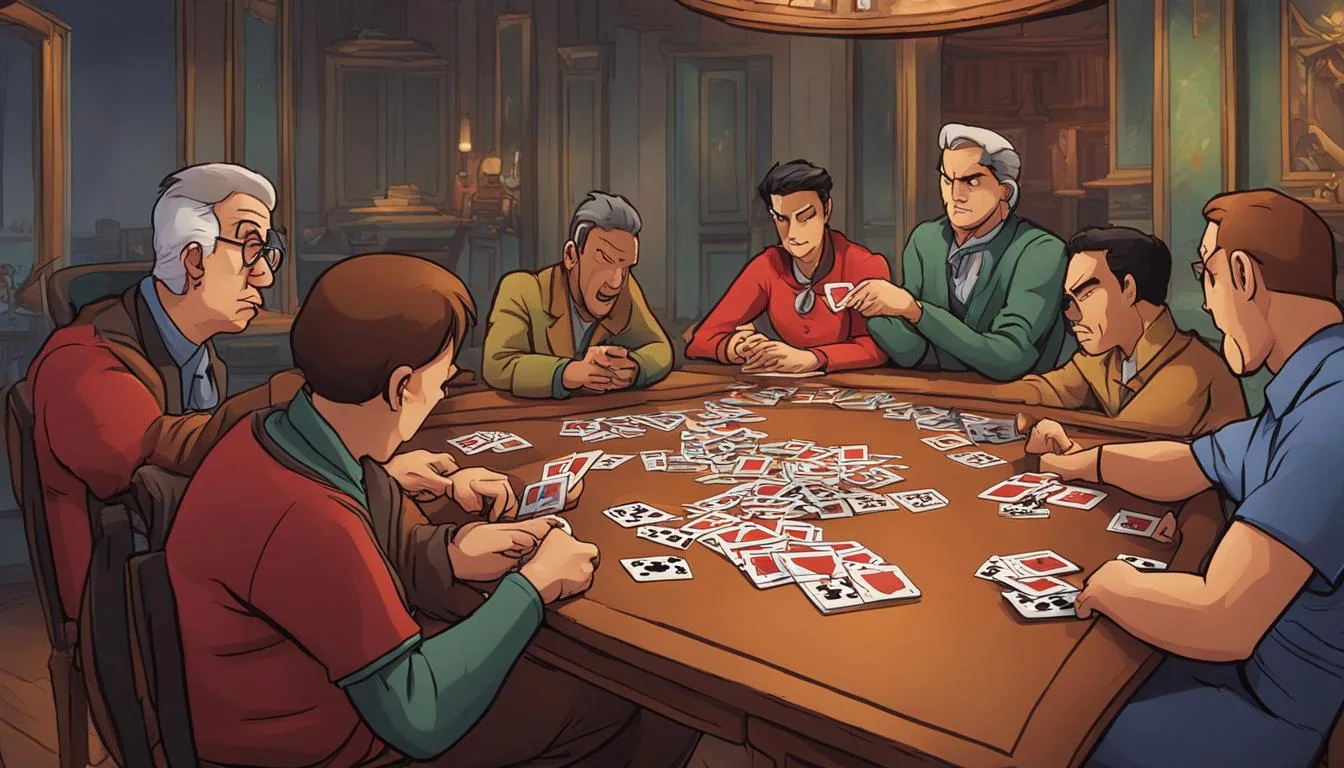
Taboo Game Guessing Words Without Saying The Taboos 2 brings fast-paced word association fun to any gathering. This classic party game challenges players to describe words without using obvious clues, creating hilarious moments as teams race against the clock.
The game works by having one player describe a word to their teammates while avoiding a list of “taboo” words printed on each card. It’s perfect for groups who enjoy quick thinking and creative communication.
TL;DR
- Teams have 60 seconds to guess as many words as possible while avoiding taboo words listed on each card.
- The standard game includes 260 cards with over 1,000 words to guess across different categories.
- Players earn 1 point for each correct guess and lose 1 point when they say a taboo word or break rules.
- The first team to reach 15 points wins the game, typically taking 30-45 minutes to complete.
Taboo Game Guessing Words Without Saying The Taboos 2
The basic setup involves dividing into two teams and choosing who goes first as the clue-giver. Each card shows a main word at the top that teammates must guess, along with five taboo words underneath that cannot be said during the description.
Players take turns being the clue-giver for their team while the opposing team watches with the buzzer, ready to sound it if any taboo words are spoken. The pressure builds quickly as teams race to score points before time runs out.
How to Play Taboo Step by Step
Setting up Taboo takes just a few minutes and requires minimal preparation. The game flows smoothly once everyone understands the basic rules and timing.
- Form teams. Divide players into two equal teams and sit so teammates are together.
- Choose the first clue-giver. One player from the starting team draws a card and prepares to give clues.
- Start the timer. Set the included timer for 60 seconds and begin the round.
- Give clues without taboo words. The clue-giver describes the word without saying any of the five taboo words listed.
- Teammates guess. Team members call out their guesses until someone says the correct word.
- Continue with new cards. Move to the next card immediately after each correct guess.
- Switch turns. When time expires, the other team takes their turn with a new clue-giver.
Scoring and Winning
Teams earn one point for each word guessed correctly during their turn. They lose one point whenever the clue-giver says a taboo word, uses gestures, or breaks other rules.
The opposing team monitors closely and sounds the buzzer when violations occur. The first team to reach 15 points wins, though groups often play multiple rounds or adjust the winning score based on time available.
Advanced Strategies for Success
Experienced players develop techniques that help their teams guess words faster while avoiding common mistakes. These strategies work especially well for competitive groups or tournament play.
- Use categories and associations – Start with broad categories like “this is something you eat” before getting specific.
- Think of synonyms quickly – Have backup words ready since many obvious choices appear on the taboo list.
- Use rhyming and word play – Say words that rhyme or sound similar to help teammates connect the dots.
- Reference pop culture – Movies, songs, and celebrities often provide good clue sources that avoid taboo words.
- Build team chemistry – Regular teammates develop shorthand references and inside knowledge over time.
Common Mistakes to Avoid
New players often struggle with certain aspects of giving clues effectively. Avoiding these mistakes helps teams score more points and reduces frustrating buzzer moments.
Never use parts of the target word or obvious derivatives, even if they don’t appear on the taboo list. Gestures, sound effects, and acting out words also result in penalties and lost points.
Practice with Everyday Objects
Before game night, practice describing common household items without using their names. This builds the quick-thinking skills needed for successful Taboo play.
Variations and House Rules
Many groups modify Taboo to match their preferences or add extra challenge to the basic game. These variations keep the experience fresh for regular players.
- Speed rounds – Reduce timer to 30 seconds for rapid-fire gameplay.
- Reverse Taboo – Teams must use all five taboo words in their clues while still getting teammates to guess correctly.
- Silent Taboo – Clue-givers can only use gestures and cannot speak at all.
- Category focus – Play with cards from only one category like movies or food for themed nights.
- Elimination style – Players who say taboo words sit out subsequent rounds.
Tournament Format
Competitive groups often organize Taboo tournaments with multiple teams and elimination brackets. Each match uses a best-of-three format with 10-point games instead of the standard 15.
This format works well for larger gatherings where you want to include everyone in structured competition. Consider small prizes for winners to increase motivation and engagement throughout the tournament.
Why Taboo Works for Different Groups
The game’s simple rules make it accessible for mixed-age groups, while the word variety keeps adults engaged. Families enjoy playing together since kids often think of creative clues that adults miss.
Taboo also works well as an icebreaker for new groups since it encourages interaction and laughter. Like Charades: The Classic Party Game of Gestures and Guesses, it gets people talking and creates memorable moments quickly.
Educational Benefits
Teachers and parents appreciate how Taboo builds vocabulary and communication skills naturally. Players learn to think flexibly about word meanings and develop better descriptive abilities.
The time pressure also helps with quick thinking and decision-making under stress. These skills transfer to academic and professional settings where clear communication matters.
Comparing Taboo to Similar Games
Taboo shares DNA with other communication games but offers unique challenges through its forbidden word restrictions. Understanding these differences helps choose the right game for your group.
Pictionary Rules and Strategies: Drawing to Victory Guide requires artistic skills instead of verbal ones, making it better for groups where some players struggle with language barriers. Codenames: The Word Association Game for Clever Clues offers deeper strategy but takes longer to explain and play.
Taboo strikes a middle ground with moderate strategy, quick setup, and universal appeal. It works especially well for groups that enjoy word games but want something more structured than casual conversation games.
Frequently Asked Questions
How many players can play Taboo?
Taboo works best with 4-8 players divided into two teams. You can play with more people by having larger teams, though this may slow down gameplay.
Can you use hand gestures or body language in Taboo?
No, players cannot use gestures, body language, or sound effects when giving clues. Only spoken words are allowed, and violations result in losing points.
What happens if you accidentally say a taboo word?
The opposing team immediately sounds the buzzer, you lose one point, and must move to the next card. The round continues with the remaining time.
How long does a typical game of Taboo last?
Most games take 30-45 minutes to reach the standard 15-point winning score. Faster groups or those playing to lower scores can finish in 20 minutes.
Are there different versions of Taboo available?
Yes, Hasbro makes several versions including Taboo Junior for kids, Electronic Taboo with digital features, and themed editions with specialized vocabulary categories.
Final Thoughts
Taboo Game Guessing Words Without Saying The Taboos 2 delivers consistent entertainment for groups who enjoy word challenges and quick thinking. The balance between strategy and luck keeps games exciting while building communication skills naturally.
Whether you’re hosting family game night or looking for party entertainment, Taboo provides reliable fun that gets everyone involved. Start with the basic rules and add variations once your group masters the fundamentals.


As the founder of Friends Game Night, Ryan channels his enthusiasm for gaming into a platform that celebrates the magic of gathering friends around the digital or physical tabletop. Through his website, Ryan shares insightful articles, reviews, and recommendations, aiming to inspire others to create their own memorable gaming moments.