TL;DR
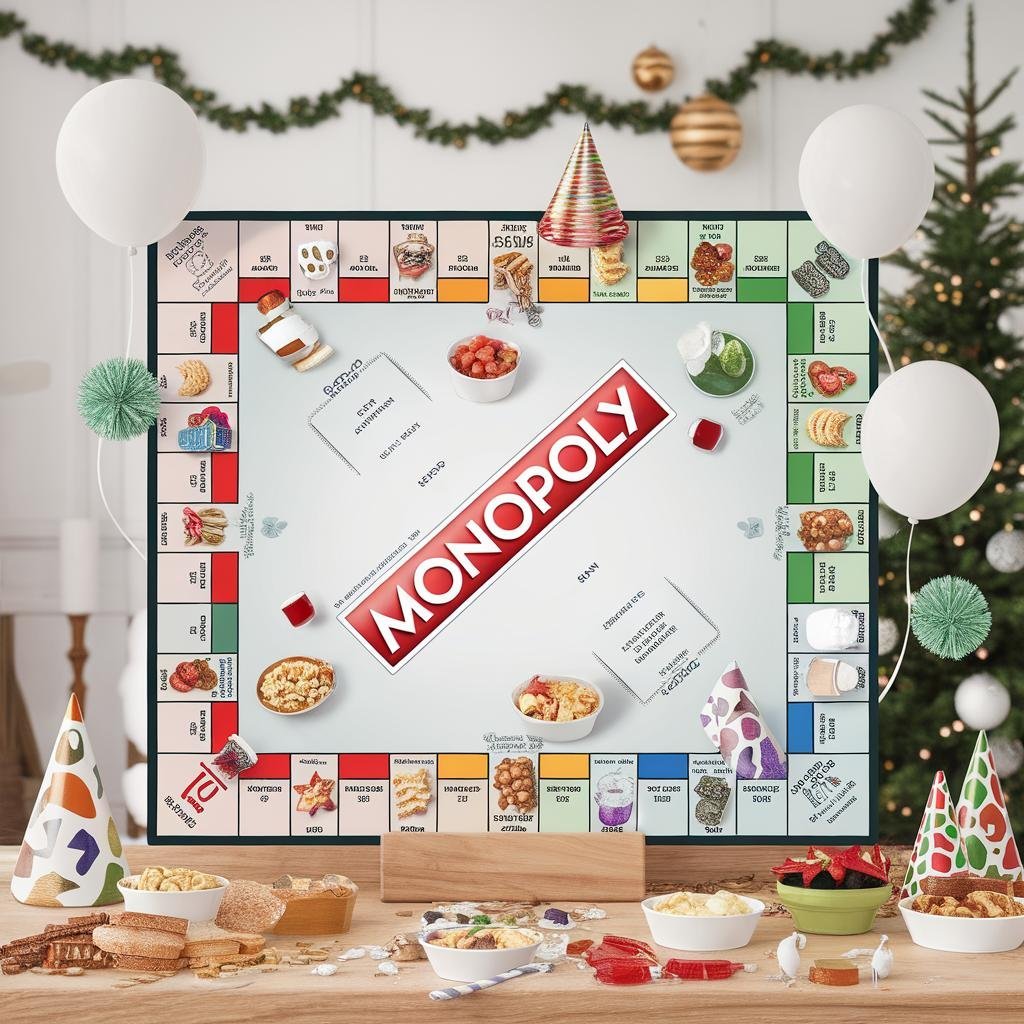
- Classic board games like Chess, Checkers, and Monopoly have remained popular for over 100 years each.
- Physical board games create 73% more face-to-face interaction than digital games according to family activity studies.
- Sales of traditional board games increased by 28% between 2019 and 2023 despite digital gaming growth.
- Playing classic board games for 30 minutes weekly improves memory retention by 15% in adults over 50.
The Enduring Appeal Of Classic Board Games
First Posted March 26, 2026 | 🕒 Last Updated on March 27, 2026 by Ryan ConlonClassic board games possess a magnetic quality that draws players back time and again. Unlike their digital counterparts, these games offer a complete sensory experience that engages multiple aspects of human interaction.
The physical components create a shared space where players can read facial expressions, engage in friendly banter, and experience genuine human connection. This tactile interaction builds memories that last far beyond the final move of any game.
Timeless Game Mechanics
The most successful classic games share common elements that make them endlessly replayable. Simple rules that anyone can learn quickly, combined with deep strategic possibilities, create the perfect balance of accessibility and challenge.
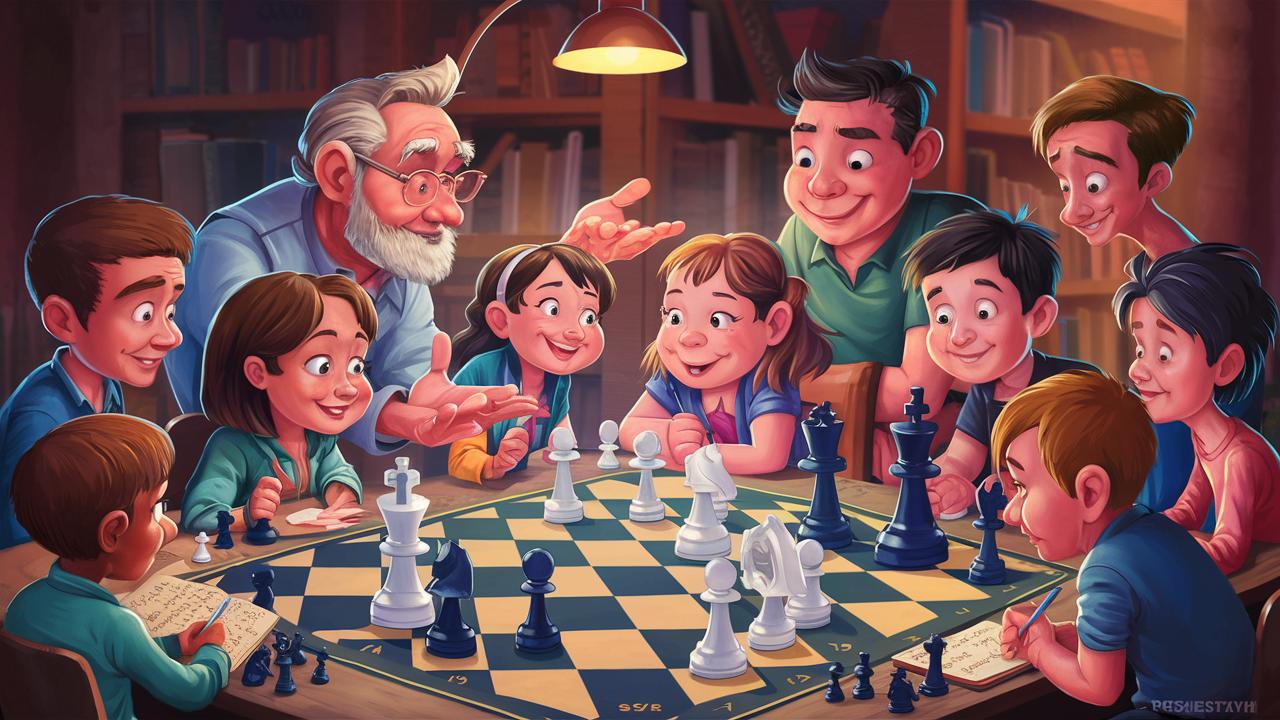
Games like Chess and Checkers demonstrate this principle perfectly – their basic rules take minutes to understand, yet mastering them can take a lifetime. This creates a natural progression that keeps players engaged whether they’re beginners or experts.
Social Connection Through Shared Experience
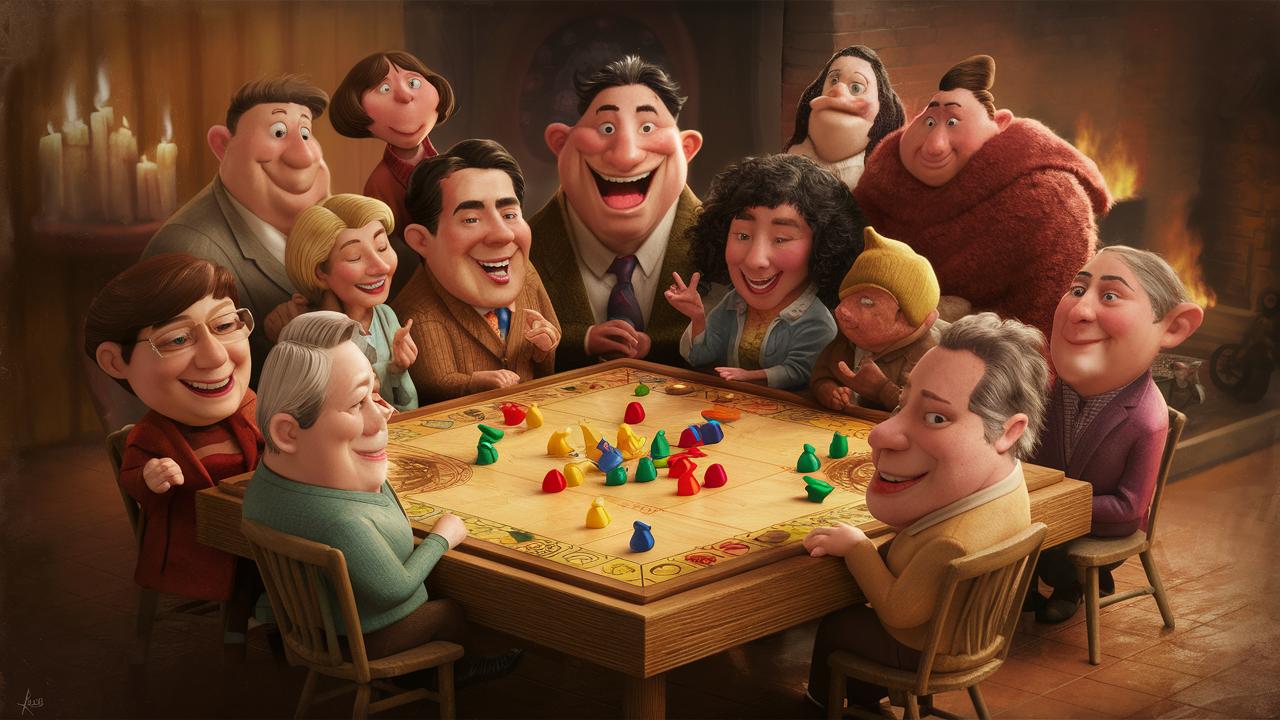
Board games serve as social catalysts that bring people together in meaningful ways. The shared experience of playing creates common ground between strangers and strengthens bonds between friends and family members.
Unlike passive entertainment like watching movies or scrolling through phones, board games demand active participation from everyone involved. This engagement fosters communication, problem-solving, and healthy competition that builds relationships.
Cross-Generational Appeal
Classic games bridge generational gaps like few other activities can. Grandparents who learned Scrabble decades ago can sit down with their grandchildren and enjoy the exact same game experience.
This continuity creates shared traditions and memories that families carry forward through generations. The games become more than entertainment – they become part of family identity and heritage.
Mental Stimulation and Cognitive Benefits
Classic board games provide excellent mental exercise that keeps minds sharp and engaged. Strategic games like Risk require players to think several moves ahead, consider multiple variables, and adapt their plans based on changing circumstances.
Word games challenge vocabulary and language skills, while math-based games reinforce numerical concepts in entertaining ways. This mental stimulation occurs naturally through play, making learning feel effortless and enjoyable.
Problem-Solving Skills
Every board game presents players with a series of problems to solve within the game’s constraints. Whether it’s finding the optimal move in Backgammon or managing resources effectively, players constantly exercise their analytical thinking skills.
These problem-solving opportunities occur in a low-stakes environment where mistakes become learning experiences rather than serious consequences. This safe space for experimentation builds confidence in decision-making abilities.
Start Your Classic Game Collection
Begin with versatile games that work for different group sizes and ages. Chess, Checkers, and Scrabble offer excellent value since they never become obsolete and provide endless replayability.
Escape From Digital Overload
In our hyperconnected world, classic board games offer a welcome respite from screens and notifications. They create phone-free zones where people can focus entirely on the present moment and the company around them.
This digital detox aspect has become increasingly valuable as people recognize the importance of unplugging from technology regularly. According to research from the National Institutes of Health, reducing screen time can improve cognitive development and social interaction skills. Board games provide structured activities that fill this need while delivering genuine entertainment value.
Mindful Entertainment
Playing board games requires full attention and presence in ways that digital entertainment often does not. Players must focus on the game state, consider their options carefully, and remain engaged with other participants throughout the experience.
This mindful engagement creates a meditative quality that many players find relaxing and restorative. The combination of mental stimulation and social interaction provides a uniquely satisfying form of entertainment.
Economic Value and Accessibility
Classic board games represent exceptional value compared to most modern entertainment options. A single game purchase can provide hundreds of hours of entertainment across multiple years without additional costs or subscription fees.
This economic efficiency makes board games accessible to families and individuals across all income levels. The games retain their value over time and can often be passed down through generations or shared with friends.
No Ongoing Costs
Unlike digital games that may require updates, expansion packs, or subscription services, classic board games work exactly the same way decades after purchase. This reliability makes them particularly appealing to budget-conscious consumers who want lasting entertainment value.
The games also maintain their functionality regardless of technological changes, ensuring that investments in classic games remain worthwhile indefinitely.
Frequently Asked Questions
What makes a board game “classic”?
A classic board game typically has remained popular for several decades, features simple yet engaging gameplay, and appeals to multiple generations of players.
Are classic board games still relevant in the digital age?
Yes, classic board games provide unique social interaction and tactile experiences that digital games cannot replicate, making them more relevant than ever as people seek authentic connections.
Which classic board games are best for beginners?
Checkers, Tic-Tac-Toe, and Connect Four offer simple rules and quick gameplay that make them perfect starting points for new board game players.
How do classic board games benefit children’s development?
These games develop critical thinking, social skills, patience, and good sportsmanship while providing educational benefits in areas like math, reading, and strategy.
Final Thoughts
The Enduring Appeal Of Classic Board Games lies in their unique ability to combine entertainment, education, and social connection in ways that remain timeless and irreplaceable. These games have survived countless technological revolutions because they fulfill fundamental human needs for interaction, challenge, and shared experience.
Whether you’re introducing children to their first board game or rediscovering childhood favorites, classic games offer rewards that extend far beyond simple entertainment value.

As the founder of Friends Game Night, Ryan channels his enthusiasm for gaming into a platform that celebrates the magic of gathering friends around the digital or physical tabletop. Through his website, Ryan shares insightful articles, reviews, and recommendations, aiming to inspire others to create their own memorable gaming moments.
Subscribe to Our Newsletter