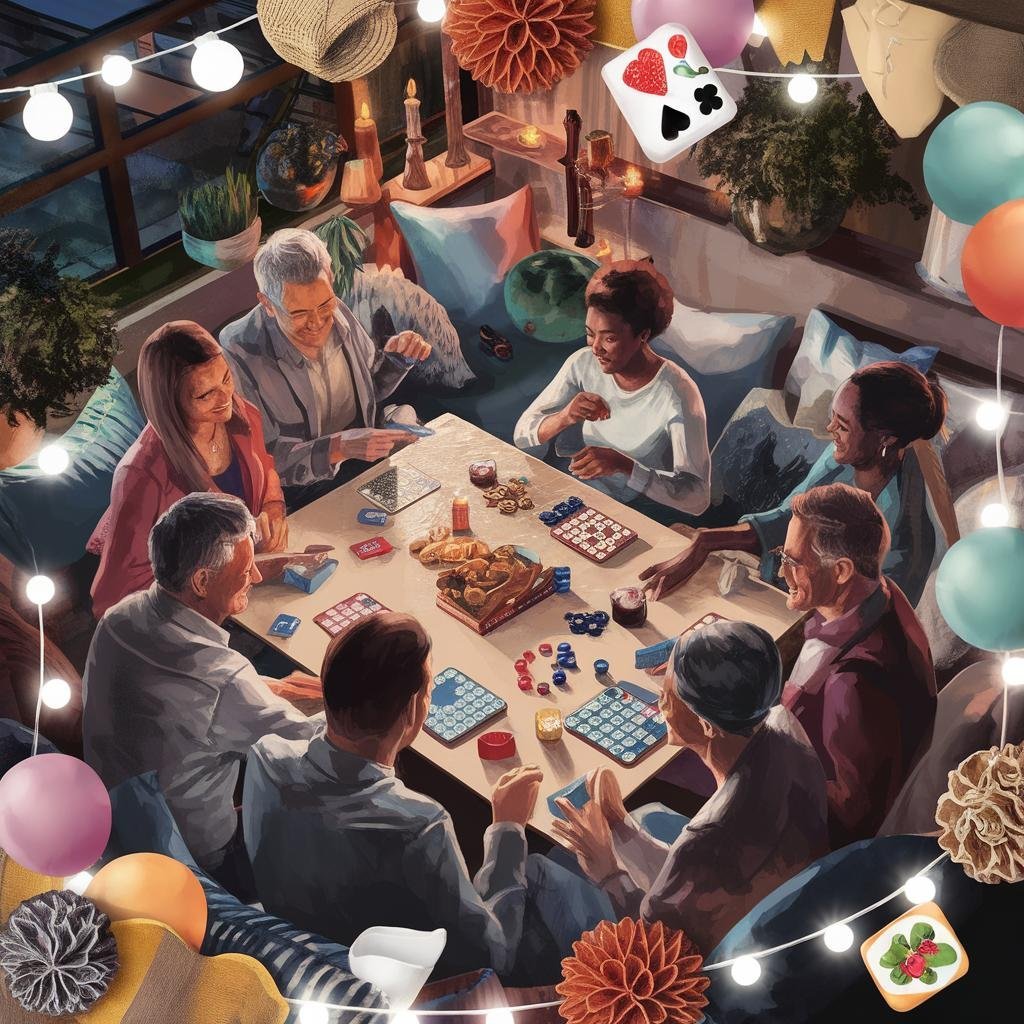
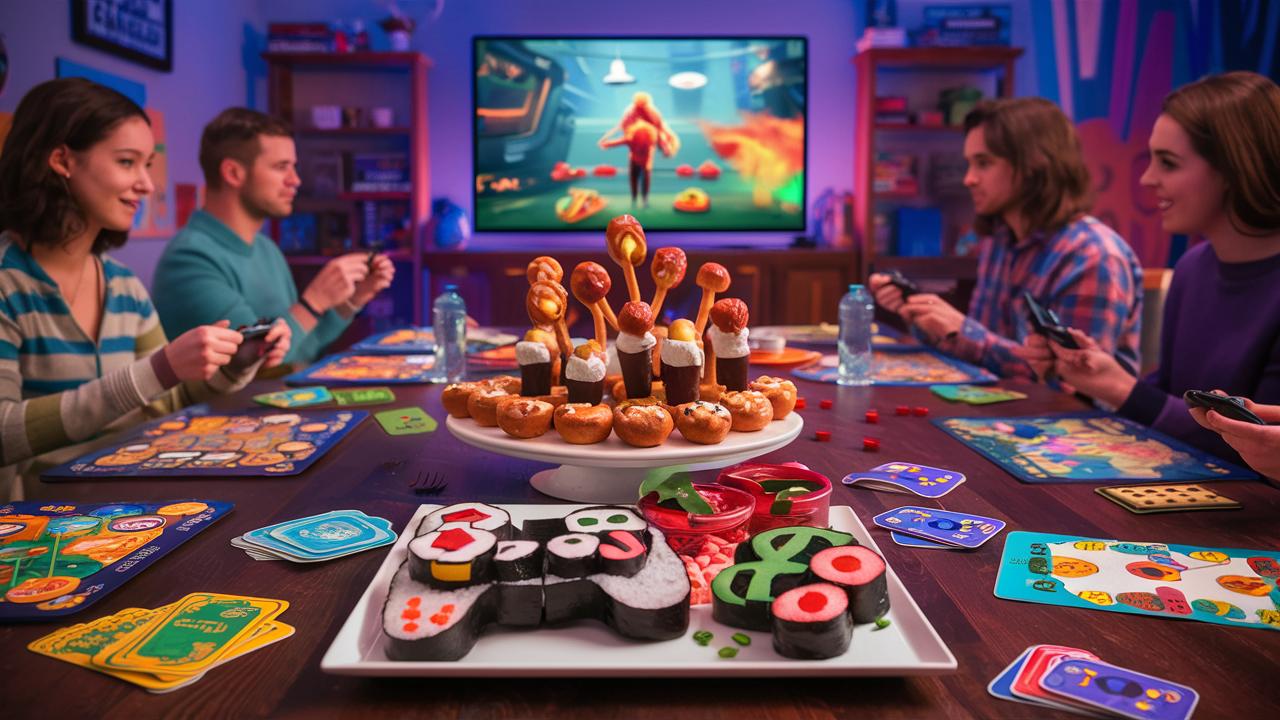
The Ideal Game Night Table Arrangement sets the foundation for memorable evenings with friends and family. A well-planned table setup ensures everyone can see the game board clearly, reach their pieces comfortably, and enjoy snacks without creating spills or chaos.
The right arrangement considers factors like table size, seating capacity, lighting, and accessibility for all players. Whether you’re hosting a casual family game or an intense strategy session, thoughtful table preparation makes the difference between smooth gameplay and constant interruptions.
TL;DR
- Round tables work best for 4-6 players while rectangular tables handle 6-8 players comfortably.
- Position the game board 18-24 inches from each player’s seat edge for optimal reach and visibility.
- Place drinks and snacks on a separate side table to prevent spills on game components.
- Ensure each player has 24-30 inches of personal space around their seating area.
The Ideal Game Night Table Arrangement
Your table shape and size determine how well your game night flows. Round tables create the most inclusive atmosphere because everyone sits equidistant from the center, making it easier to read cards and see game boards from any angle.
Rectangular tables work better for larger groups but require strategic game placement. Position the main game board closer to the center rather than at one end, and rotate it occasionally during play so all players get equal viewing angles.
Table Size Guidelines
- Small Round (36-42 inches) – Perfect for 3-4 players with card games or compact board games.
- Large Round (48-60 inches) – Accommodates 5-6 players comfortably with room for larger game boards.
- Rectangular (72+ inches) – Handles 6-8 players but requires careful game positioning.
- Square (48-54 inches) – Great compromise for 4-6 players with equal access from all sides.
Seating Arrangement Strategies
Strategic seating prevents conflicts and keeps gameplay smooth. Place experienced players across from beginners rather than next to them – this creates natural mentoring opportunities without making new players feel singled out.
Consider player personalities when arranging seats. Keep competitive players separated if tensions tend to rise, and position the most patient player next to anyone who might need extra help with rules.
Seating Distance and Comfort
Each player needs adequate personal space to avoid feeling cramped during long gaming sessions. Measure 24-30 inches between chair centers to give everyone room to lean back, gesture, and access their game pieces without bumping elbows.
For comfortable seating for extended game sessions, choose chairs with good back support and appropriate height. Players should sit with their arms resting comfortably on the table surface without hunching or stretching.
Game Board Positioning
Center the main game board so every player can reach it easily without stretching across the table. For games with personal player boards or extensive card layouts, ensure each person has enough table space in front of their seat.
Rotate large game boards 90 degrees periodically during play if text or images favor certain viewing angles. This simple adjustment prevents players from constantly craning their necks to read important information.
Managing Multiple Game Components
- Personal Play Areas – Allocate 18-24 inches of table edge per player for their cards and pieces.
- Shared Components – Place dice, tokens, and reference materials within easy reach of all players.
- Draw Piles – Position card decks where multiple players can access them without reaching across others.
- Discard Areas – Keep discard piles visible but out of the main play area to avoid confusion.
Food and Drink Placement
Keep beverages and snacks away from the main gaming surface to protect expensive game components. Set up a dedicated side table or rolling cart within arm’s reach of players but separate from the action.
Use coasters religiously and choose snacks that won’t leave residue on fingers. Game night snack ideas that work well include pre-portioned nuts, cut vegetables, and finger foods that don’t require messy handling.
Quick Setup Tip
Create a “setup zone” on one end of your table for sorting game components before play begins. This keeps the main playing area clear while you organize pieces and explain rules.
Lighting and Visibility
Proper lighting eliminates shadows on the game board and reduces eye strain during long sessions. Position overhead lighting directly above the table center, and add table lamps or pendant lights if overhead fixtures create glare.
Avoid backlighting that puts players in silhouette when they’re trying to read cards or make moves. Lighting and ambiance creating the perfect mood involves balancing brightness with comfort – bright enough to see details clearly but warm enough to feel welcoming.
Dealing with Shadows
Large game boards can cast shadows that hide important details from some players. Use multiple light sources from different angles to eliminate shadow zones, or position LED light strips under the table edge to provide upward illumination.
Test your lighting setup before guests arrive by walking around the table and checking for dark spots or glare issues from each seating position.
Space Optimization for Small Areas
Limited space doesn’t mean compromising on game night quality. Maximizing space game night setup for small rooms requires creative furniture arrangement and smart storage solutions.
Use folding tables that expand your surface area when needed, then store compactly afterward. Position the table to allow easy movement around all sides – players shouldn’t have to squeeze between walls and chairs to reach their seats.
Multi-Purpose Furniture Solutions
- Ottoman Storage – Provides extra seating and game storage in one piece.
- Folding Tables – Expand surface area temporarily without permanent space commitment.
- Rolling Carts – Serve as mobile snack stations and storage for game components.
- Wall-Mounted Shelves – Keep games organized and accessible without floor space.
Technology Integration
Modern board games often include companion apps or digital components. Plan power outlet access for devices and consider cable management to prevent tripping hazards around the table.
Position tablets or phones where all players can see shared digital content without blocking sight lines to the physical game board. Use tablet stands or phone holders rather than laying devices flat on the table where they might get knocked over.
Frequently Asked Questions
What’s the best table height for board games?
Standard dining table height of 28-30 inches works best for most players. This allows comfortable arm positioning and easy reach across the table surface.
How much space should I leave around the table for walking?
Allow at least 36 inches of clearance on all sides for comfortable movement. This gives players room to push back their chairs and others to walk around during games.
Should I use a tablecloth for game night?
Skip tablecloths as they can shift during play and interfere with dice rolling or card sliding. A bare table or thin table pad provides the best gaming surface.
How do I prevent game pieces from falling off the table?
Choose tables with slightly raised edges or add temporary edge guards using foam pool noodles. Keep dice trays and rolling areas away from table edges.
What’s the maximum number of players for different table shapes?
Round tables handle up to 6 players comfortably, rectangular tables can seat 8-10, and square tables work best for 4-6 players depending on size.
Final Thoughts
The Ideal Game Night Table Arrangement creates the foundation for countless memorable evenings with friends and family. Taking time to plan your setup pays off in smoother gameplay, better player comfort, and fewer interruptions throughout the night.
Start with your current table and make small improvements each week – better lighting, more comfortable chairs, or a dedicated snack station. These incremental changes add up to significantly better gaming experiences for everyone involved.

As the founder of Friends Game Night, Ryan channels his enthusiasm for gaming into a platform that celebrates the magic of gathering friends around the digital or physical tabletop. Through his website, Ryan shares insightful articles, reviews, and recommendations, aiming to inspire others to create their own memorable gaming moments.
Subscribe to Our Newsletter