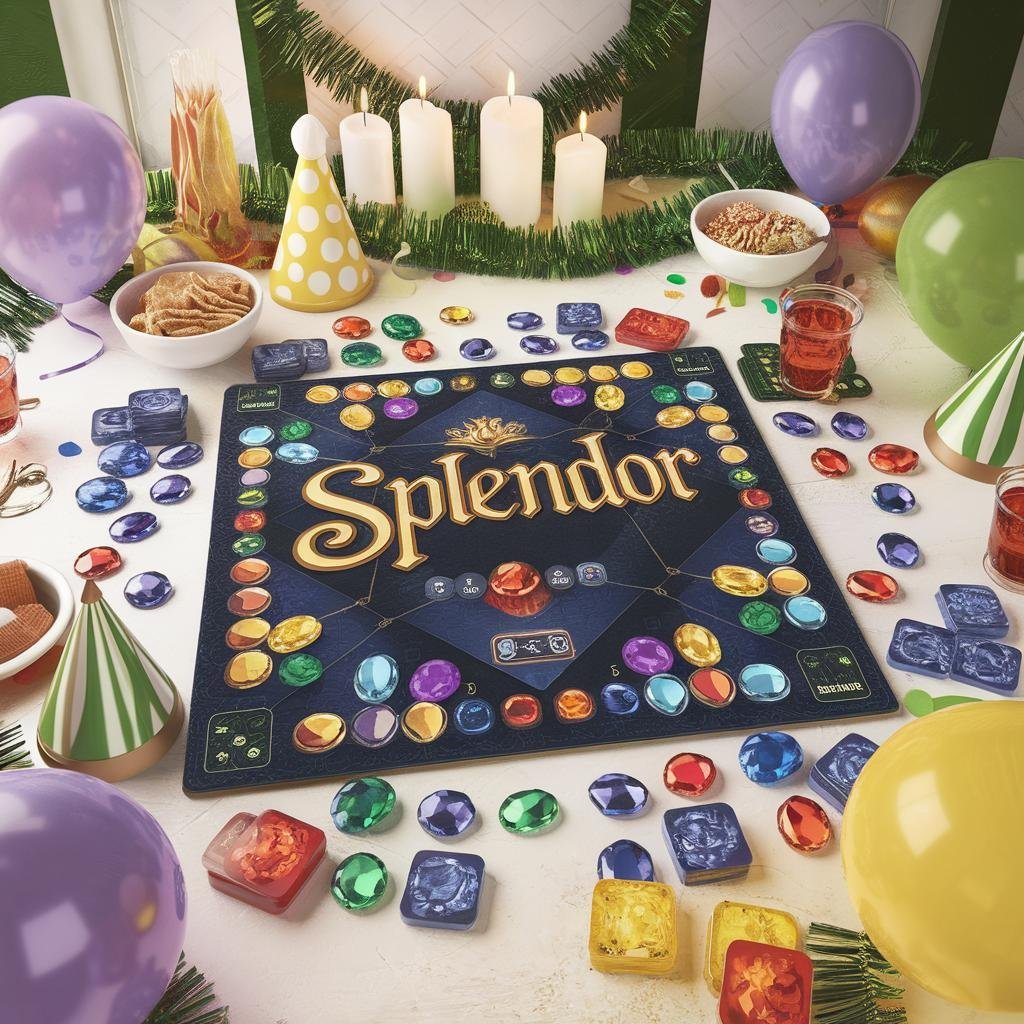
The Thrill of Strategy Board Games offers an unmatched mental challenge that combines tactical thinking with social interaction. These games demand careful planning, resource management, and the ability to adapt your approach as situations change around the table.
Strategy board games have experienced a renaissance in recent years, attracting players who crave more depth than traditional family games. The satisfaction of executing a well-planned strategy or recovering from a seemingly hopeless position creates memorable gaming experiences that keep players coming back for more.
TL;DR
- Strategy games typically take 60-180 minutes to play, requiring sustained focus and planning.
- Popular mechanics include resource management, area control, and engine building that reward long-term thinking.
- Gateway strategy games like Ticket to Ride and Splendor ease new players into deeper gameplay with 30-45 minute sessions.
- Advanced titles like Terraforming Mars and Twilight Struggle offer 100+ strategic decisions per game.
The Thrill of Strategy Board Games Mechanics
Strategy games distinguish themselves through interconnected systems that reward forward thinking and careful resource allocation. Players must balance immediate needs against long-term goals while adapting to opponents’ moves and changing game conditions.
The core appeal lies in meaningful choices where every decision matters. Unlike games driven by luck, strategy titles put control firmly in players’ hands, making victory feel earned through superior planning and execution.
Resource Management Systems
Most strategy games center around collecting and spending various resources efficiently. Agricola Strategy: Building Winning Farms and Food Engines exemplifies this through its farming theme where players gather wood, clay, stone, and food to build their homesteads.
These systems create tension between scarcity and opportunity. Players must decide which resources to prioritize while watching opponents potentially claim what they need.
- Income Generation – Building structures or acquiring cards that provide ongoing resource production.
- Efficiency Optimization – Finding combinations that produce maximum output from minimal input.
- Timing Decisions – Knowing when to spend resources versus saving for better opportunities.
- Conversion Chains – Using one resource type to acquire another more valuable resource.
Area Control and Territory
Many strategy games revolve around claiming and defending territory on the board. Risk Board Game World Domination Strategies: Master Global Conquest represents the classic approach where military might determines territorial control.
Modern designs offer more nuanced approaches to area control. Players might influence regions through economic presence, political maneuvering, or cultural development rather than direct conflict.
Gateway Strategy Games
New players often feel intimidated by complex strategy games with thick rulebooks and lengthy play times. Gateway games provide an accessible entry point that introduces strategic thinking without overwhelming complexity.
Ticket to Ride: Routes to Victory stands out as an ideal introduction to strategy gaming. Players collect colored train cards to claim railway routes across a map, balancing risk and reward as they work toward completing destination tickets.
Splendor: Engine Building Basics
Splendor Board Game Gem Trading Excellence: Strategy Guide & Tips teaches fundamental engine-building concepts through gem trading mechanics. Players start with limited purchasing power but gradually acquire gem production that enables bigger purchases.
The game demonstrates how early investments pay dividends later, introducing the strategic concept of temporary sacrifice for long-term advantage. This principle appears in most advanced strategy games.
Dominion: Deck Building Innovation
Dominion Card Game Deck Building Strategies: Master Your Kingdom created the deck-building genre where players customize their card decks during gameplay. This mechanic adds layers of strategy as players must consider both immediate card effects and long-term deck composition.
Each game feels different based on which kingdom cards are available, creating high replay value. Players learn to identify powerful card combinations and timing their purchases for maximum efficiency.
Start with Gateway Games
Choose simpler strategy games initially to build confidence and understanding. Complex games become much more enjoyable once you grasp fundamental strategic concepts.
Advanced Strategy Challenges
Experienced players seek games that provide deeper strategic complexity and longer-term planning horizons. These titles often feature multiple interconnected systems that create rich decision spaces.
Terraforming Mars Strategies for Planetary Transformation: Complete Guide exemplifies advanced strategy gaming through its combination of engine building, resource management, and tableau building. Players must balance immediate terraform requirements against building powerful production engines.
Multiple Victory Paths
The best strategy games offer several viable approaches to victory, preventing any single dominant strategy from emerging. This design principle keeps games fresh and forces players to adapt their tactics based on opponents’ choices.
Players might pursue military conquest, economic development, technological advancement, or cultural influence depending on the game’s theme and mechanics. The key is recognizing which path offers the best opportunity given current game conditions.
- Assess available options. Evaluate which victory conditions seem most achievable based on your starting position and early game developments.
- Monitor opponent progress. Watch for signs that opponents are pursuing specific victory paths and consider whether you need to block their progress.
- Adapt your strategy. Be willing to shift focus if your initial approach isn’t working or if better opportunities emerge.
- Build toward multiple goals. When possible, take actions that advance several victory conditions simultaneously to maintain flexibility.
Cold War Tensions
Twilight Struggle: Mastering Cold War Tactics represents the pinnacle of two-player strategy gaming through its detailed simulation of Cold War geopolitics. The game demands both strategic planning and tactical flexibility as historical events reshape the global balance of power.
Players must manage multiple theaters simultaneously while planning for long-term positioning. Every decision carries weight as seemingly minor actions can cascade into major consequences several turns later.
Social Dynamics in Strategy Games
Strategy games create unique social experiences that differ significantly from party games or casual entertainment. The extended play time and meaningful decisions foster deeper interaction between players.
Negotiation becomes crucial in many strategy games, whether through formal alliance systems or informal table talk. Players must read opponents’ intentions while managing their own information carefully.
Managing Competition and Friendship
Strategy games can strain relationships if players take competition too seriously or feel targeted by opponents’ moves. Setting clear expectations about competitive intensity helps maintain friendly atmospheres.
Remember that aggressive moves are part of strategic gameplay, not personal attacks. The challenge lies in making tough decisions while preserving good relationships around the table.
Frequently Asked Questions
How long do strategy board games typically take to play?
Most strategy games range from 60 to 180 minutes, though some complex titles can extend to 3-4 hours. Gateway strategy games usually finish within 45-90 minutes.
What makes a strategy game different from other board games?
Strategy games emphasize meaningful decision-making over luck, feature interconnected game systems, and reward long-term planning. Victory comes from superior tactics and resource management rather than random chance.
Which strategy games work best for beginners?
Ticket to Ride, Splendor, and Azul offer excellent introductions to strategy gaming. These games teach important concepts without overwhelming complexity or excessive play time.
How many players work best for strategy games?
Most strategy games accommodate 2-4 players optimally, though some scale to 5-6 players. Player count affects interaction levels and game duration significantly.
Can strategy games be enjoyed casually or do they require serious focus?
While strategy games reward focused attention, many can be enjoyed casually with friends. Choose lighter strategy games for relaxed sessions and save complex titles for dedicated gaming time.
Final Thoughts
The Thrill of Strategy Board Games lies in the perfect balance of mental challenge and social interaction that creates unforgettable gaming experiences. Whether you’re drawn to resource management, territorial control, or engine building, strategy games offer depth that grows with your experience.
Start with accessible gateway games and gradually work toward more complex challenges as your strategic thinking develops. The journey from simple decisions to mastering intricate game systems provides endless entertainment and intellectual satisfaction.
class=”aligncenter size-large wp-image-1007″ title=”Movie-themed board games”
class=”aligncenter size-large wp-image-1008″ title=”Jaws board game”

As the founder of Friends Game Night, Ryan channels his enthusiasm for gaming into a platform that celebrates the magic of gathering friends around the digital or physical tabletop. Through his website, Ryan shares insightful articles, reviews, and recommendations, aiming to inspire others to create their own memorable gaming moments.
Subscribe to Our Newsletter