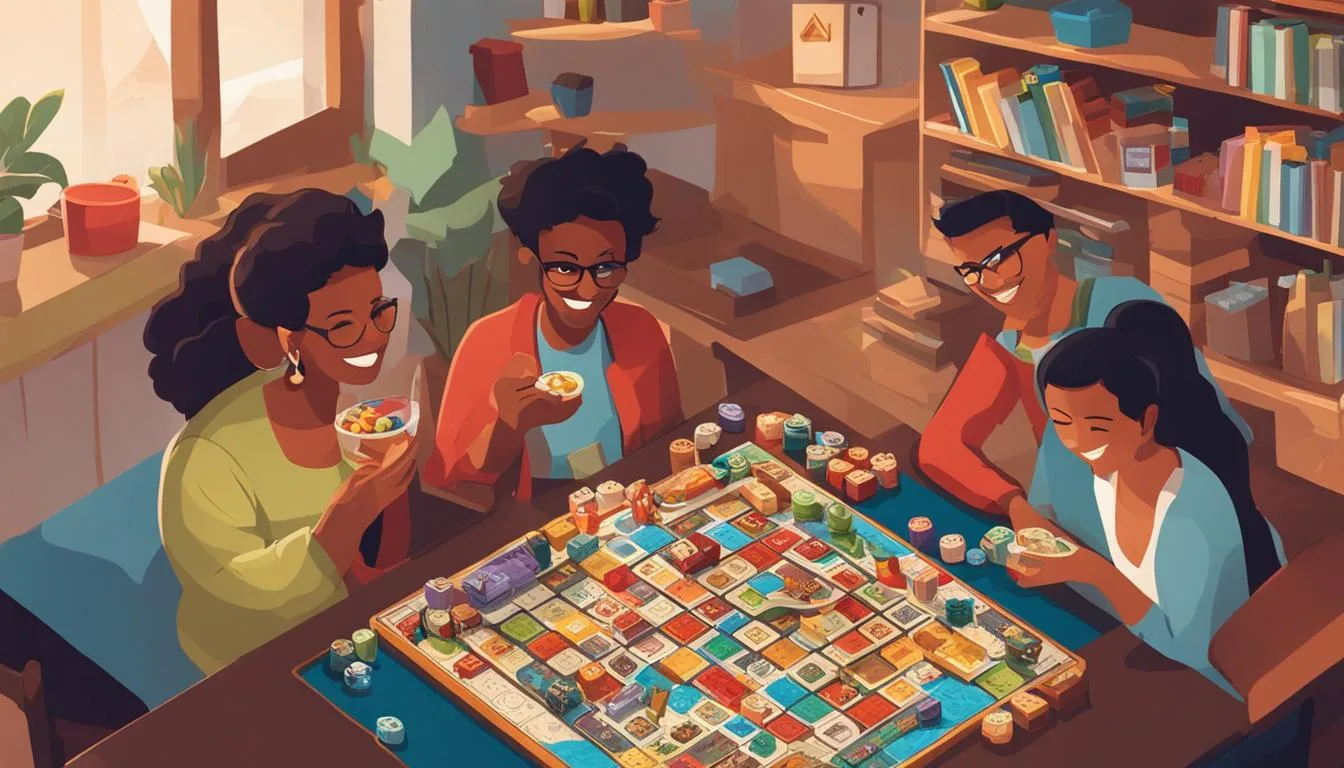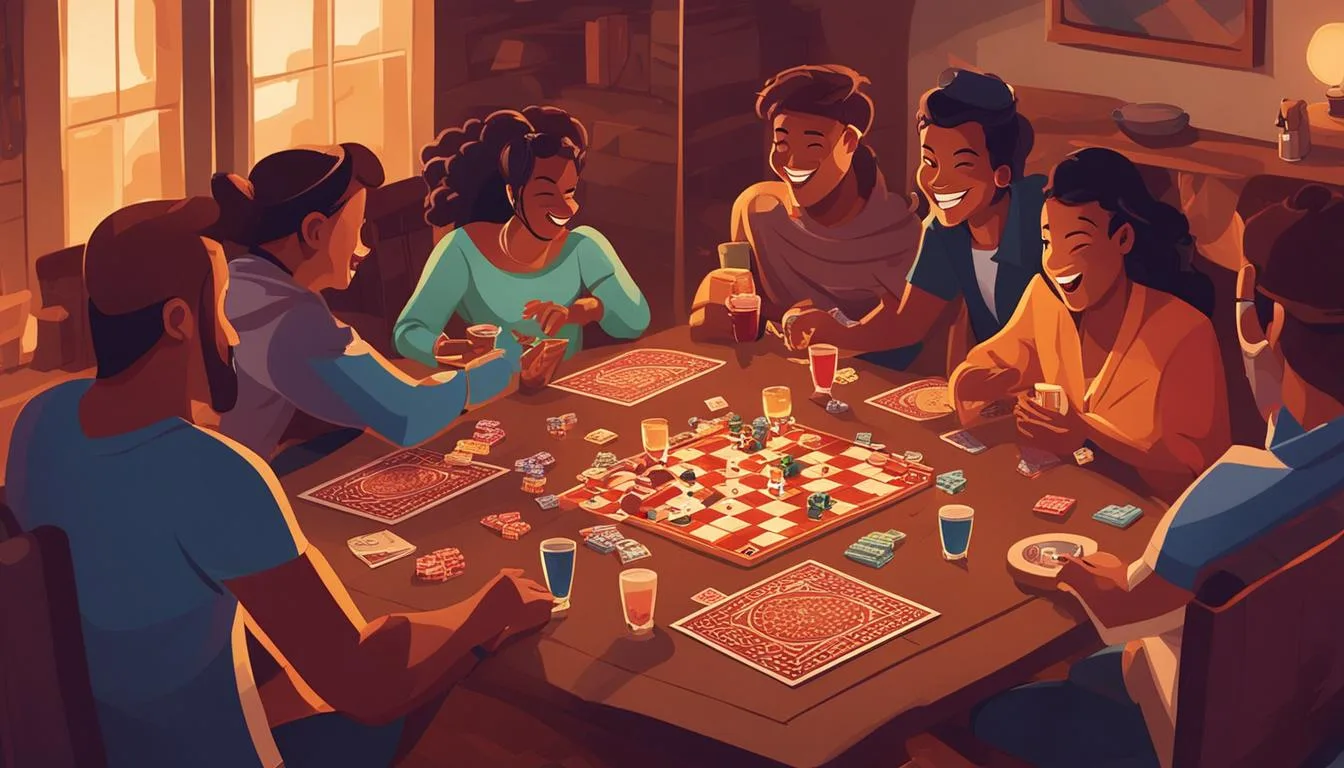

The Ultimate Game Night Checklist For Hosting Success starts with proper planning and attention to detail. A well-organized game night creates lasting memories and keeps guests coming back for more fun evenings together.
Whether you’re hosting your first game night or looking to improve your hosting skills, having a systematic approach makes all the difference. The right preparation ensures everyone has a great time while reducing stress for you as the host.
TL;DR
- Plan for 4-6 guests maximum to keep games moving and conversations flowing naturally.
- Prepare 3-4 backup games in different categories (strategy, party, card) for groups of varying sizes.
- Set up snack stations 30 minutes before guests arrive to avoid mid-game interruptions.
- Create a simple RSVP system to confirm headcount 2 days before your event.
The Ultimate Game Night Checklist For Hosting Success
Start your planning process at least one week before your game night. This gives you time to coordinate with guests, prepare your space, and gather everything you need without last-minute rushing.
Send invitations with clear details about date, time, duration, and what guests should expect. Include information about game night snack ideas if you want guests to contribute food or drinks.
Pre-Game Night Planning
Choose your guest list carefully – aim for 4-6 people who enjoy similar types of games. Too many players can slow down game flow, while too few limits your game options.
Confirm attendance 48 hours before the event to avoid surprises. Ask about any food allergies or dietary restrictions if you’re providing refreshments.
Game Selection Strategy
Pick games based on your confirmed guest count and their experience levels. Have backup options ready for different scenarios.
- Light games – Perfect for warming up or when energy is low (20-30 minutes).
- Medium games – Great for the main event when everyone is engaged (45-90 minutes).
- Party games – Ideal for larger groups or as energetic finales (15-45 minutes).
- Filler games – Quick options while waiting for latecomers (10-20 minutes).
Setting Up Your Space
Clear your playing area of distractions and ensure comfortable seating for everyone. Good lighting prevents eye strain during detailed games, while background music at low volume creates atmosphere without interference.
Set up multiple game stations if you have enough space and guests. This lets people rotate between different activities throughout the evening.
Essential Space Requirements
- Table space. Ensure each player has at least 2 feet of table edge for cards and components.
- Storage area. Keep extra games accessible but out of the way during play.
- Refreshment station. Place food and drinks away from the gaming table to prevent spills.
- Coat storage. Designate a spot for guests’ belongings so they don’t clutter play areas.
Host’s Secret Weapon
Read game rules beforehand and watch tutorial videos for complex games. Being able to explain rules clearly keeps momentum going and prevents frustration.
Food and Beverage Planning
Choose finger foods that won’t damage game components or require utensils. Avoid messy snacks like chips with powder or sticky foods that leave residue on hands.
Provide napkins and small plates at every seating area. Set up drinks in spill-proof containers away from the main gaming surface.
Game-Friendly Menu Options
- Bite-sized treats – Mini sandwiches, cheese cubes, or crackers with spread.
- Clean finger foods – Grapes, cherry tomatoes, or pretzel sticks.
- Individual portions – Small bowls of nuts or trail mix for each person.
- Easy beverages – Water bottles, canned drinks, or cups with lids and straws.
Managing the Evening Flow
Start with a quick icebreaker game while everyone arrives and settles in. This helps latecomers join without disrupting a complex game in progress.
Keep games moving by setting gentle time limits and being ready to suggest transitions. Watch for signs of fatigue or disengagement and have shorter backup games ready.
Timing Your Games
Plan your evening in 30-minute blocks with natural break points. This structure helps you manage time without being rigid about schedules.
- First hour – Welcome drinks and light games while everyone arrives.
- Second hour – Main game or tournament-style competition.
- Third hour – Party games or multiple simultaneous games.
- Final hour – Wind down with familiar classics or classic card games.
Handling Common Challenges
Prepare for situations like rules disputes, player elimination, or skill level mismatches. Having strategies ready keeps the mood positive and inclusive.
Keep phone numbers handy for guests who might be running late. Consider preparing an emergency kit with basic supplies for unexpected situations.
Problem-Solving Strategies
- Rules confusion. Have rulebooks accessible and designate yourself as the final decision maker.
- Player elimination. Choose games that keep everyone engaged or have backup activities for eliminated players.
- Skill gaps. Use team formats or handicap systems to level the playing field.
- Time overruns. Set kitchen timers and announce time warnings to keep games on schedule.
Post-Game Night Considerations
Plan for easy cleanup by having trash bags and wet wipes readily available. Enlist guests to help with simple tasks like putting games away or clearing tables.
Take photos during fun moments to share later, but don’t let documentation interfere with the gaming experience. Follow up with guests afterward to get feedback and plan future events.
Frequently Asked Questions
How many games should I have ready for game night?
Prepare 3-4 games per planned hour of gaming, including quick backup options. This ensures you have choices for different moods and group sizes without overwhelming yourself.
What’s the ideal number of guests for game night?
4-6 guests work best for most games and create good group dynamics. Fewer than 4 limits game options, while more than 6 can slow down gameplay and make it harder to include everyone.
How long should a typical game night last?
Plan for 3-4 hours total, which allows time for multiple games and natural socializing. This gives enough time for substantial gaming without wearing out your guests.
Should I provide all the food or ask guests to bring something?
A combination works best – provide basic snacks and drinks while asking guests to bring specific items if they want to contribute. This reduces your workload while ensuring everyone has something they enjoy.
Final Thoughts
The Ultimate Game Night Checklist For Hosting Success comes down to thoughtful preparation and staying flexible during the event. Focus on creating a welcoming atmosphere where everyone feels included and entertained.
Remember that perfect hosting isn’t about having everything go exactly as planned – it’s about adapting gracefully and keeping the focus on fun. Start planning your next game night using printable checklists to stay organized and ensure nothing important gets forgotten.

As the founder of Friends Game Night, Ryan channels his enthusiasm for gaming into a platform that celebrates the magic of gathering friends around the digital or physical tabletop. Through his website, Ryan shares insightful articles, reviews, and recommendations, aiming to inspire others to create their own memorable gaming moments.
Subscribe to Our Newsletter