TL;DR
- Use columns for team names, round scores, and running totals to track up to 8 teams efficiently.
- Include 5-7 rounds on each sheet with bonus question sections for double-point opportunities.
- Add tie-breaker spaces at the bottom for sudden-death questions when teams finish with equal scores.
- Print extra copies – you’ll need one master sheet for the host plus backup sheets for verification.
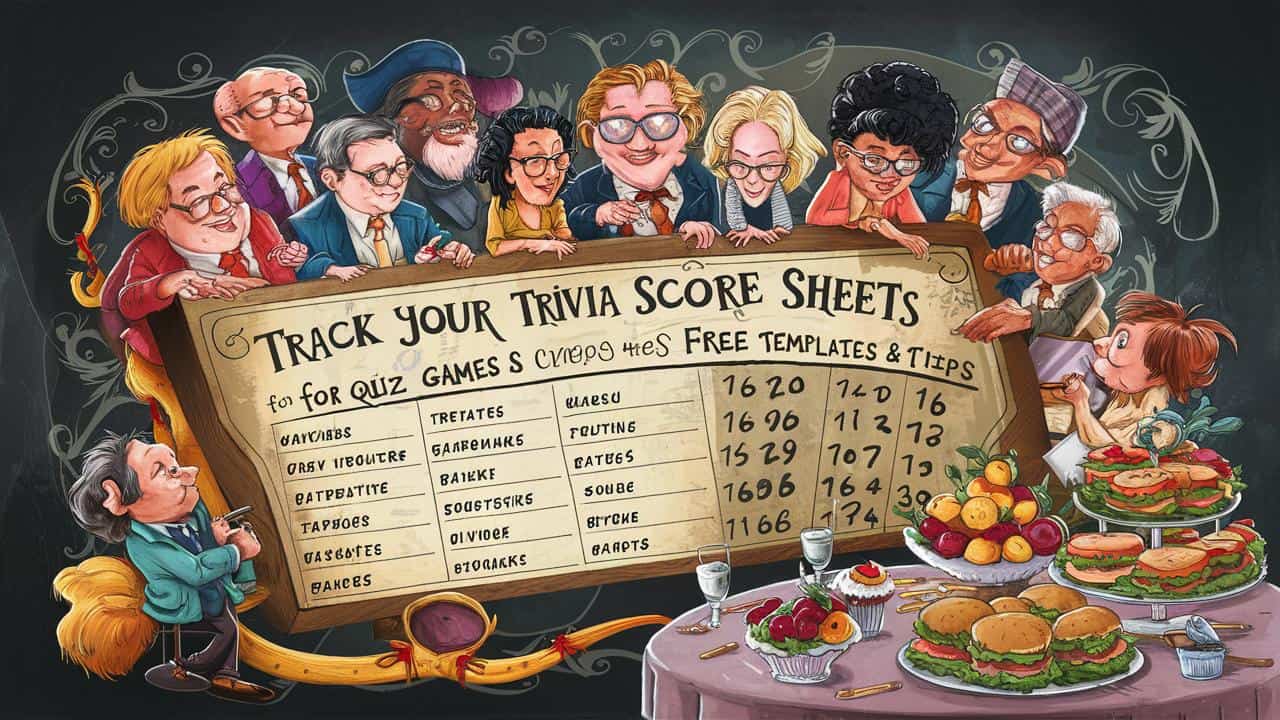
Track Your Trivia Score Sheets for Quiz Games
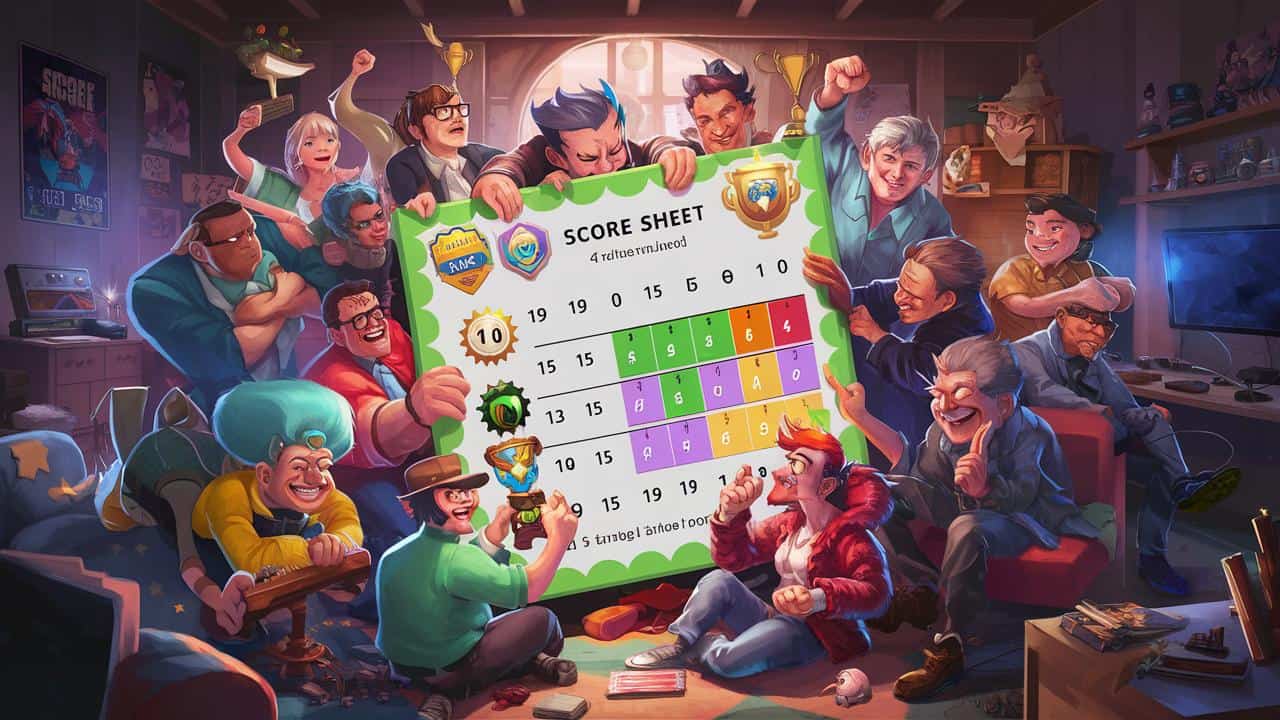
First Posted March 26, 2026 | 🕒 Last Updated on March 27, 2026 by Ryan ConlonA well-designed trivia score sheet serves as the backbone of any successful quiz night. The basic structure should include team identification areas, individual round scoring sections, and cumulative point tracking.
Most effective trivia score sheets accommodate 4-8 teams with clear column divisions. Each team gets a dedicated column where their name appears at the top, followed by individual round scores and a running total section at the bottom.
Essential Elements for Trivia Score Sheets
Your trivia score sheet needs specific components to function smoothly during fast-paced quiz games. Include these key elements to maintain accurate scoring throughout your event.
- Team Name Header – Large, clear spaces at the top for team identification
- Round Scoring Rows – Individual lines for each quiz round with point values
- Bonus Question Section – Separate area for double-point or special questions
- Running Total Area – Bottom section for cumulative scores after each round
- Tie-Breaker Space – Additional rows for sudden-death questions when needed
Creating Effective Quiz Game Scoring Systems
The number of rounds determines your score sheet layout and overall game length. Most trivia nights work best with 5-7 rounds of 8-10 questions each, creating natural break points for teams to check their progress.
Consider point values when designing your scoring system. Standard rounds typically use 1-2 points per question, while bonus rounds might offer 3-5 points to create exciting comeback opportunities.
Round Structure Options
Different round formats keep trivia games interesting and challenge teams in various ways. Mix question types throughout your quiz to test different knowledge areas and skills.
- General Knowledge Round. Broad topics covering history, science, pop culture, and current events.
- Category Specific Round. Focus on single topics like movies, sports, or geography for deeper knowledge testing.
- Lightning Round. Quick-fire questions with shorter time limits to build excitement.
- Audio/Visual Round. Music clips, movie quotes, or image recognition challenges.
- Bonus Challenge Round. Complex questions worth extra points for teams willing to risk their answers.
Score Sheet Organization Tip
Number your questions clearly and leave space for partial credit on multi-part answers. This prevents scoring delays and keeps your quiz moving smoothly.
Digital vs Physical Trivia Tracking
Physical score sheets work well for smaller groups and casual settings where teams can see their progress easily. Paper scoring feels more traditional and allows teams to calculate their own running totals during the game.
Digital tracking systems offer advantages for larger events with multiple quiz masters or when you need instant result calculations. Google Sheets templates can automatically calculate totals and rankings as you input scores.
Hybrid Scoring Approach
Many successful trivia hosts use both methods simultaneously for maximum accuracy and backup security. The host maintains the master digital sheet while teams track their progress on paper copies.
This approach lets you catch scoring errors quickly while giving teams the satisfaction of seeing their progress throughout the game. Teams enjoy printable score sheets they can take home as souvenirs of their trivia night experience.
Managing Multiple Teams and Categories
Large trivia events require careful organization to prevent chaos during scoring breaks. Assign each team a number along with their chosen name to speed up score collection and verification.
Create separate sections on your master sheet for different difficulty levels or age groups if you’re running multiple competitions simultaneously. This keeps scoring clear when families with kids compete alongside adult-only teams.
Team Management Strategies
- Color Coding – Use different colored pens or markers for each round to track scoring patterns
- Assistant Scorers – Recruit helpers to manage individual tables while you focus on question delivery
- Score Verification – Have teams initial their scores each round to prevent disputes later
- Backup Documentation – Keep photo records of final scores for post-game reference
Customizing Score Sheets for Different Quiz Types
Family trivia nights need simpler scoring systems with fewer rounds and clearer point values. Kids respond well to visual elements like checkboxes or star ratings instead of just numbers.
Competitive adult leagues require more detailed tracking with individual player statistics, seasonal records, and playoff qualification tracking. These events benefit from the same attention to detail found in strategy game scorekeeping.
Specialized Quiz Formats
Theme-based trivia nights call for customized score sheets that match your chosen topic. A movie trivia night might include film strip graphics, while a sports quiz could feature team logos or equipment illustrations.
Consider creating custom score sheets that reflect your regular group’s personality and inside jokes. Personal touches make your trivia nights more memorable and encourage repeat attendance.
Frequently Asked Questions
How many teams can one score sheet handle effectively?
Most trivia score sheets work best with 4-8 teams to maintain clarity and prevent overcrowding. Larger groups need multiple sheets or digital tracking systems.
Should teams keep their own scores during trivia games?
Yes, letting teams track their own progress keeps them engaged and helps catch scoring errors quickly. Always maintain a master sheet for official results.
What’s the best point system for trivia questions?
Use 1-2 points for regular questions and 3-5 points for bonus rounds. This creates comeback opportunities without making early rounds meaningless.
How do you handle ties in trivia competitions?
Prepare tie-breaker questions in advance and include space for them on your score sheet. Sudden-death rounds or closest-number questions work well for final resolution.
Final Thoughts
Track Your Trivia Score Sheets for Quiz Games turn chaotic question sessions into organized competitions that everyone can follow and enjoy. The right scoring system keeps participants engaged while ensuring fair play throughout your event.
Start with a simple template this week and adjust based on how your group responds to different scoring methods.

As the founder of Friends Game Night, Ryan channels his enthusiasm for gaming into a platform that celebrates the magic of gathering friends around the digital or physical tabletop. Through his website, Ryan shares insightful articles, reviews, and recommendations, aiming to inspire others to create their own memorable gaming moments.
Subscribe to Our Newsletter