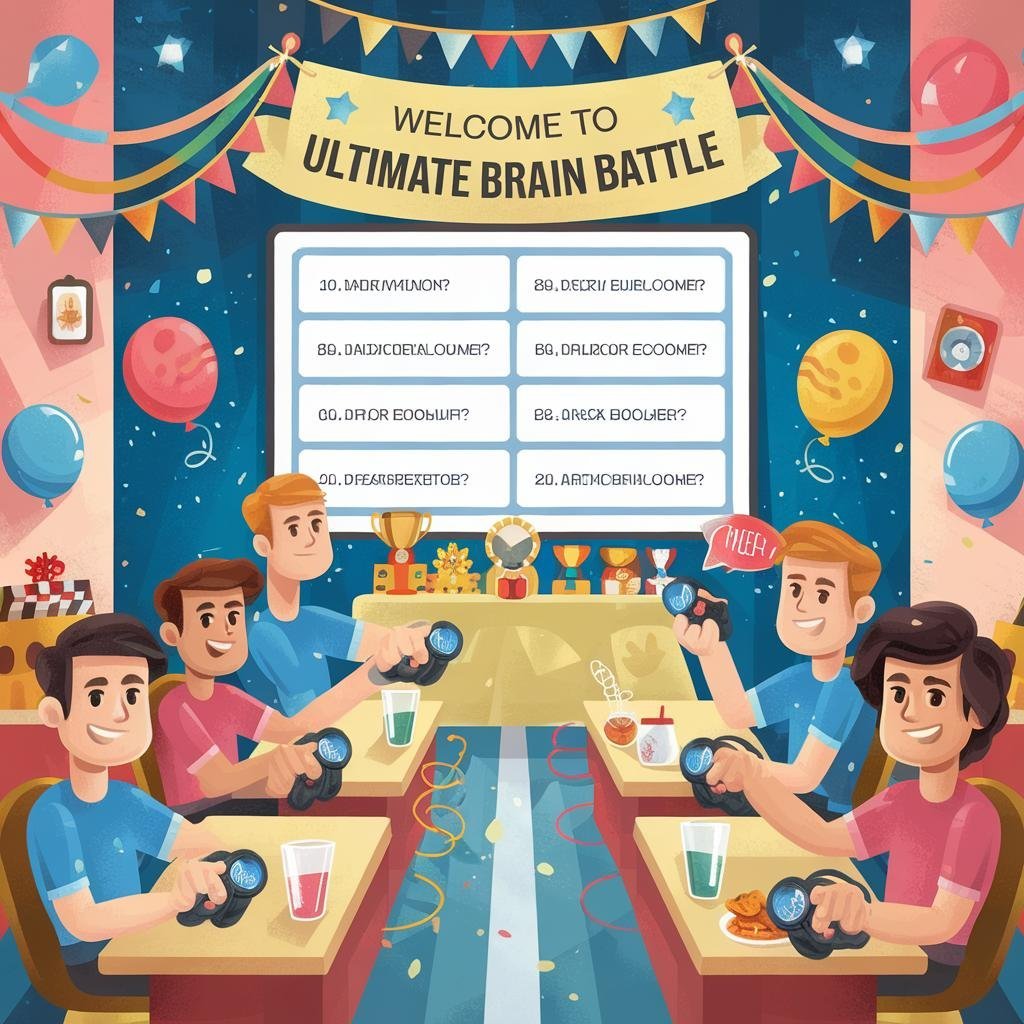
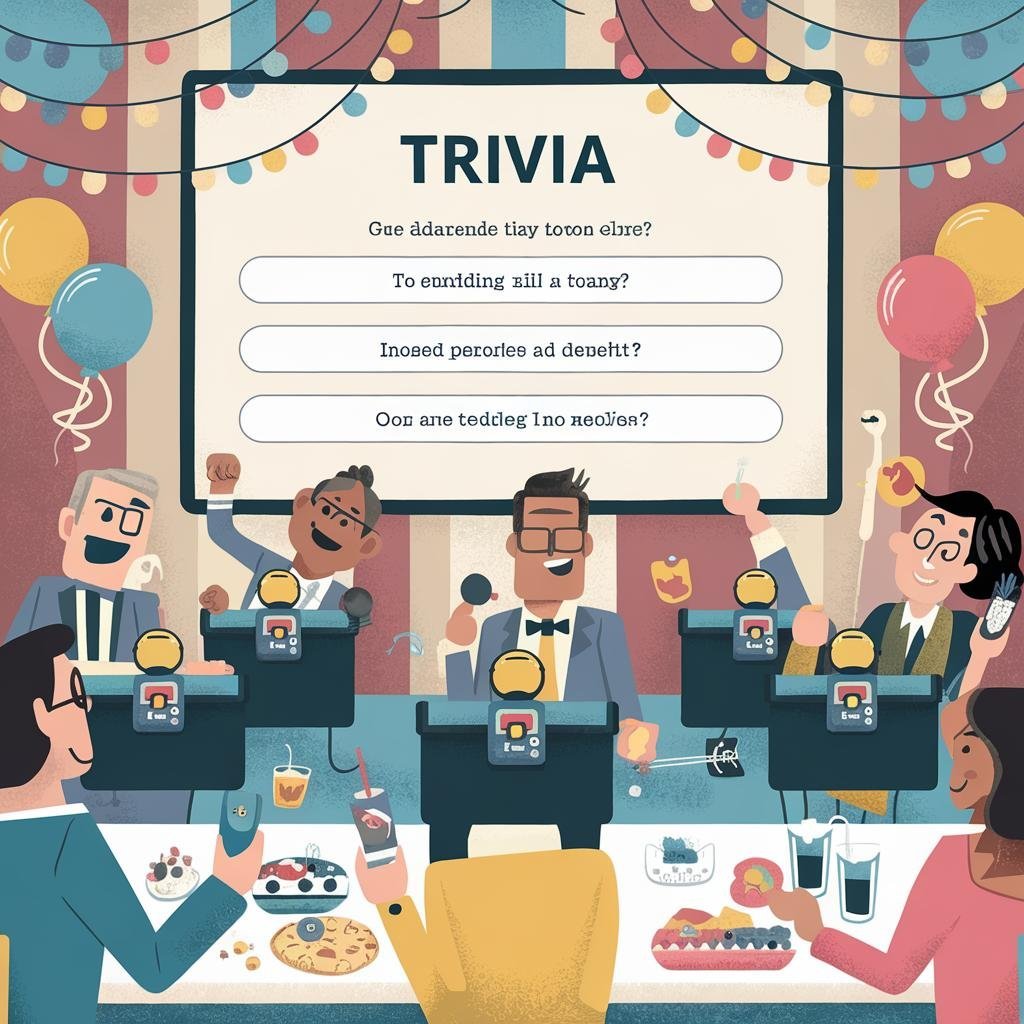
Trivia Party Games Testing Your Knowledge For Fun bring people together through the joy of friendly competition and shared learning. These games transform any gathering into an engaging experience where everyone can contribute their unique knowledge and discover new facts along the way.
Whether you’re hosting a casual get-together or planning a more structured event, trivia games offer the perfect balance of challenge and entertainment. They work well for mixed groups because different people shine with different topics, keeping everyone involved and interested.
TL;DR
- Most trivia party games work best with 4-12 players split into teams of 2-4 people each.
- Popular formats include 5 categories with 10 questions each, taking about 45-60 minutes to complete.
- Team-based play increases participation by letting quieter players contribute without being put on the spot.
- Mix easy, medium, and hard questions in a 40/40/20 ratio to keep all skill levels engaged.
Trivia Party Games Testing Your Knowledge For Fun
The beauty of trivia party games lies in their flexibility and universal appeal. You can adapt them to any group size, age range, or knowledge level by adjusting question difficulty and topics.
These games work particularly well because they encourage natural conversation and storytelling. When someone answers a question about 1980s music or world geography, it often sparks related memories and discussions that keep the energy flowing between rounds.
Classic Trivia Formats That Work
Several tried-and-true formats consistently deliver fun experiences for groups. The category-based approach remains the most popular because it gives everyone a chance to shine in their areas of interest.
- Five-Category Challenge – Sports, Entertainment, History, Science, and Pop Culture with 10 questions each
- Decades Tournament – Focus on specific time periods like the 70s, 80s, 90s, and 2000s
- Local Knowledge Quiz – Mix general trivia with questions about your city, state, or region
- Picture Round – Show images and ask players to identify celebrities, landmarks, or objects
- Audio Trivia – Play song clips, movie quotes, or sound effects for identification
Setting Up Your Trivia Night
Successful trivia parties require minimal equipment but benefit from good planning. You’ll need question sets, answer sheets, pens, and a way to keep score that everyone can see.
Consider your space when planning teams and seating arrangements. Teams should sit together but be spaced enough apart to prevent easy cheating or overhearing other groups’ discussions.
Team Formation Strategies
How you divide players into teams can make or break the experience. Random selection often works best for mixed groups, while letting people choose teams works better when skill levels are similar.
- Random Draw. Put names in a hat and draw teams to ensure balanced groups with varied knowledge.
- Skill Balancing. If you know your guests well, manually create teams that mix strong and weaker players.
- Couples Split. Separate couples and close friends to encourage mingling and prevent dominant partnerships.
- Draft System. Let team captains take turns picking players for larger groups.
Keep Questions Moving
Read each question twice clearly, then give teams 30-45 seconds to discuss and write answers. This prevents over-thinking while allowing brief team consultation.
Popular Trivia Game Variations
Different formats keep trivia nights fresh and accommodate various group preferences. Some people prefer rapid-fire questions while others enjoy longer thinking time for complex topics.
The key is matching your format to your audience and occasion. Casual gatherings benefit from lighter, more conversational approaches, while competitive groups might prefer structured tournaments with official scoring.
Speed Round Formats
Quick-fire rounds add excitement and energy to any trivia session. These work especially well as opening icebreakers or final tiebreakers when scores are close.
- Lightning Round – 20 rapid questions in 5 minutes with immediate scoring
- True or False Sprint – Quick yes/no questions that require instant responses
- Fill in the Blank – Complete famous quotes, song lyrics, or movie titles
- Number Guessing – Closest answer wins points for numerical questions
Interactive Trivia Elements
Adding physical or creative elements makes trivia more memorable and engaging. These variations work particularly well for groups that know each other well or want to break out of traditional Q&A format.
Many of these ideas work great alongside other family board games if you want to mix trivia with other activities throughout your evening.
- Acting Out Answers – Teams must act out historical figures or movie characters
- Drawing Challenge – Sketch answers for art, geography, or science questions
- Humming Contest – Hum famous melodies for others to identify
- Backward Writing – Write answers in reverse for bonus points
Creating Engaging Question Sets
The quality of your questions determines how much fun people have. Great trivia questions are clear, fair, and cover topics that most people have at least some knowledge about.
Mix common knowledge with more challenging material to keep everyone engaged. Include questions that might stump the experts while giving less knowledgeable players chances to contribute.
Question Difficulty Balance
A good trivia set includes questions across different difficulty levels. This prevents any one team from dominating while ensuring everyone gets to experience success during the game.
- Easy Questions (40%) – Basic knowledge most adults should know from school or popular culture.
- Medium Questions (40%) – Require some specific knowledge but aren’t impossibly obscure.
- Hard Questions (20%) – Challenge even knowledgeable players and create exciting moments.
Topic Selection Guidelines
Choose categories that offer something for everyone while avoiding overly specialized or controversial subjects. The goal is inclusion and fun rather than showing off expertise in narrow fields.
Consider your guest list when selecting topics. A group of college friends might enjoy different categories than a mixed family gathering or workplace event.
Scoring and Prize Ideas
How you handle scoring and rewards affects the competitive atmosphere. Some groups prefer serious competition while others just want fun social interaction with minimal pressure.
Keep scoring simple and transparent so teams can track their progress. Complex point systems often confuse players and slow down the game flow unnecessarily.
Scoring Systems That Work
Simple scoring keeps attention on the questions rather than complicated math. Most successful trivia nights use straightforward point values that are easy to calculate quickly.
- One Point Per Question – Easiest system for hosts to manage and teams to follow
- Difficulty-Based Points – 1 point for easy, 2 for medium, 3 for hard questions
- Category Bonuses – Extra points for teams that excel in specific subjects
- Final Jeopardy Style – Teams can wager points on the final question
Digital Tools and Resources
Technology can simplify trivia hosting while adding professional touches to your event. Many apps and websites offer ready-made questions, automatic scoring, and even music or visual elements.
However, don’t let technology complicate things unnecessarily. Simple pen-and-paper approaches often work just as well and avoid technical difficulties that can disrupt the flow.
Helpful Apps and Websites
Several platforms provide trivia content and tools that can enhance your party experience. These resources save preparation time while offering professionally crafted questions.
If you enjoy competitive gaming, you might also like exploring trivia crack apps that let people compete on their phones between in-person rounds.
- Kahoot – Interactive quizzes with real-time scoring on participants’ phones
- QuizUp – Extensive question database across hundreds of categories
- Trivia Hub – Pre-made question sets for various difficulty levels and topics
- AhaSlides – Professional presentation tools with polling and quiz features
Frequently Asked Questions
How many questions should a trivia party game include?
Plan for 30-50 questions total, which takes about 45-75 minutes depending on your format. This gives enough variety without making the game feel too long.
What’s the ideal team size for trivia games?
Teams of 2-4 people work best because everyone can participate in discussions without groups becoming too large to manage effectively.
Should I allow phones or internet access during trivia?
Most hosts ban phones to maintain fairness and encourage team discussion. Consider having a phone basket at the start of the game.
How do I handle disputes about answers?
Establish ground rules beforehand that the host’s decision is final, but be willing to award partial credit for reasonable alternative answers.
What prizes work well for trivia winners?
Small, fun prizes like gift cards, bottles of wine, or themed items related to your questions work better than expensive rewards that create too much pressure.
Final Thoughts
Trivia Party Games Testing Your Knowledge For Fun create lasting memories through shared discovery and friendly competition. The best trivia nights balance challenge with accessibility, ensuring everyone feels included regardless of their knowledge level.
Start planning your next trivia party by choosing a format that matches your group, and remember that the goal is entertainment rather than finding the smartest person in the room. With good questions and an encouraging atmosphere, everyone wins.
class=”aligncenter size-large wp-image-1654″ title=”Travel Trivia Mini Game”
class=”aligncenter size-large wp-image-1655″ title=”Trivia Crack – Online Trivia Game for Groups”

As the founder of Friends Game Night, Ryan channels his enthusiasm for gaming into a platform that celebrates the magic of gathering friends around the digital or physical tabletop. Through his website, Ryan shares insightful articles, reviews, and recommendations, aiming to inspire others to create their own memorable gaming moments.
Subscribe to Our Newsletter