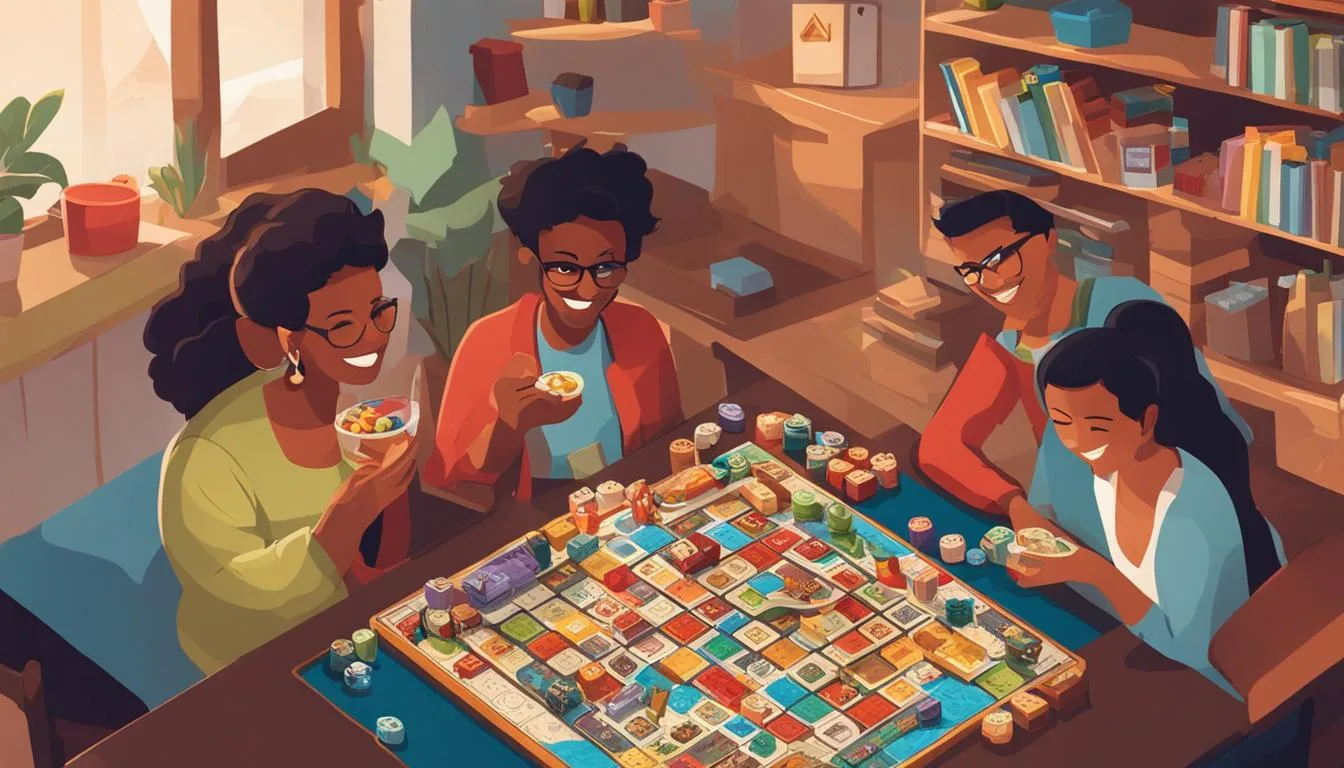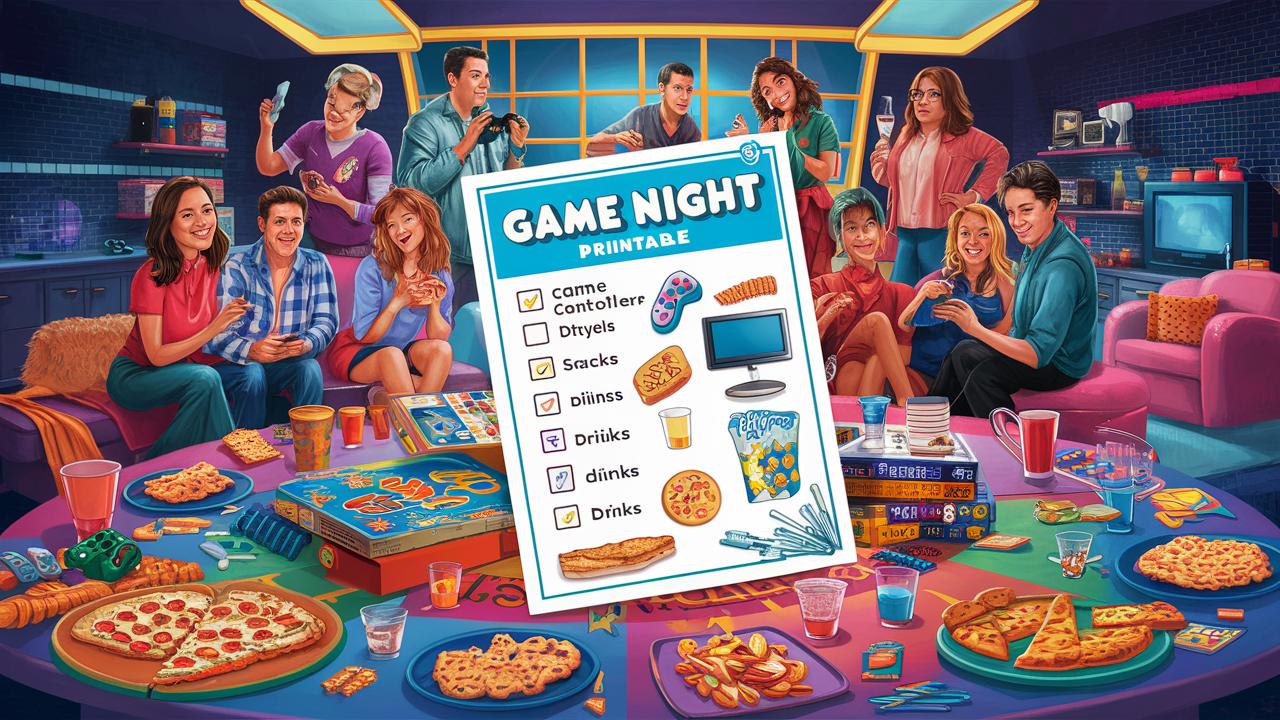
The Ultimate Game Night Checklist For Hosting Success requires careful planning and attention to detail. Hosting a memorable evening means thinking through every aspect from game selection to snacks and seating arrangements. Your guests will appreciate the effort you put into creating a welcoming environment where everyone can relax and have fun.
A well-organized game night brings people together for hours of entertainment and bonding. The key lies in preparing ahead of time so you can enjoy the evening alongside your guests instead of scrambling to handle last-minute issues.
TL;DR
- Plan for 1 game per 3-4 players to ensure everyone stays engaged throughout the night.
- Prepare 3-4 different snack options including finger foods that won’t interfere with gameplay.
- Set up comfortable seating for 20% more people than expected to accommodate drop-ins.
- Create a 2-3 hour playlist of background music to maintain energy without disrupting conversation.
The Ultimate Game Night Checklist For Hosting Success
Success starts with having a solid plan and the right supplies ready before your guests arrive. Your preparation determines whether the evening flows smoothly or becomes stressful for everyone involved.
A complete game night checklist covers entertainment, food, comfort, and atmosphere. Each element works together to create an experience your friends will want to repeat.
Game Selection Strategy
Choose games that match your group size and experience level to keep everyone engaged. Having 3-5 different options ensures you can adapt to your guests’ energy levels and preferences throughout the night.
Consider these categories when building your game collection:
- Quick warmup games – 15-30 minute games like Exploding Kittens or UNO to get people comfortable.
- Strategy games – Longer games like Catan or Ticket to Ride for engaged players.
- Party games – Social games that work well with larger groups and create lots of laughter.
- Backup options – Simple card games using standard decks for unexpected situations.
Matching Games to Your Group
New gamers do best with simple rules and short play times. Experienced players often enjoy more complex strategy games that offer deeper decision-making.
Keep a mix of competitive and cooperative games available. Some groups thrive on friendly competition while others prefer working together toward a common goal.
Food and Beverage Planning
Plan your menu around foods that won’t interfere with gameplay or create messes on game components. Finger foods work best since they allow players to eat without interrupting the action.
Your food and drinks checklist should include options for different dietary preferences and restrictions. Ask guests about allergies or special needs when you invite them.
Smart Snack Choices
- Clean finger foods – Crackers, pretzels, and cut vegetables that won’t leave residue on hands.
- Easy-to-serve dips – Hummus, salsa, and cheese dips in small bowls around the table.
- Sweet treats – Cookies or candy that can be eaten quickly between turns.
- Substantial options – Pizza slices, sandwiches, or wraps for longer gaming sessions.
Beverage Station Setup
Create a self-serve drink station away from the gaming area to prevent spills on games. Include both alcoholic and non-alcoholic options to accommodate all preferences.
Provide plenty of water and have napkins easily accessible throughout the space. Consider using cups with lids or bottles to minimize spill risks.
Pro Host Tip
Set up a separate snack table away from the game area so players can grab food without disrupting ongoing games. This keeps the gaming space clean and prevents accidental spills on valuable game components.
Creating the Perfect Gaming Environment
Your space setup directly impacts how comfortable and engaged your guests feel throughout the evening. Good lighting prevents eye strain while proper seating keeps everyone comfortable during longer games.
Preparing your home involves more than just clearing table space. Think about traffic flow, temperature control, and noise management for neighboring units or family members.
Seating and Table Arrangements
Arrange seating so everyone can easily reach the game components and see other players. Round or square tables work better than long rectangular ones for most board games.
Provide comfortable seating with back support for gaming sessions that might last several hours. Have extra chairs available for unexpected guests or when people want to take breaks.
Lighting and Ambiance
Ensure adequate lighting over the gaming area so players can clearly read cards and game boards. Avoid harsh overhead lights that create glare or shadows on the playing surface.
Set the mood with background music that enhances the experience without overwhelming conversation. Create playlists that match your group’s energy level and the types of games you’re playing.
Essential Supplies and Backup Plans
Keep a well-stocked emergency kit handy for common game night issues. This prevents small problems from derailing your entire evening.
Your supply kit should include:
- Extra batteries for electronic games or timers that might die mid-game.
- Paper and pencils for scorekeeping or creating makeshift game components.
- Dice and card sleeves as backups for damaged or missing game pieces.
- Cleaning supplies for quick cleanup of spills before they stain.
Managing Group Dynamics
Have strategies ready for common social situations like overly competitive players or guests who aren’t enjoying the current game. Knowing how to diplomatically switch activities keeps everyone happy.
Prepare shorter backup games for situations when the main game isn’t working for your group. Sometimes the best solution is changing to something completely different.
Frequently Asked Questions
How many games should I have available for game night?
Plan for 3-5 different games to accommodate various group sizes, time constraints, and player preferences. Having options prevents boredom and allows you to adapt to your group’s energy level.
What’s the best way to handle food during gameplay?
Set up a separate snack station away from the gaming area and choose finger foods that won’t leave residue on hands. This protects your games while keeping players satisfied.
How do I keep everyone engaged if some players finish games early?
Have quick 10-15 minute games available for early finishers, or set up multiple game stations so people can rotate between activities. This prevents anyone from feeling left out.
Should I explain all game rules before starting or teach as we play?
For simple games, teach as you play to maintain momentum. For complex games, give a 5-minute overview of the basic concept, then explain specific rules when they become relevant during gameplay.
Final Thoughts
The Ultimate Game Night Checklist For Hosting Success comes down to thoughtful preparation and flexibility during the event. When you plan ahead and have backup options ready, you can focus on enjoying time with your friends instead of worrying about logistics.
Start with these essentials and adjust based on your group’s preferences as you host more events. Each game night teaches you something new about what works best for your particular crowd.

As the founder of Friends Game Night, Ryan channels his enthusiasm for gaming into a platform that celebrates the magic of gathering friends around the digital or physical tabletop. Through his website, Ryan shares insightful articles, reviews, and recommendations, aiming to inspire others to create their own memorable gaming moments.
Subscribe to Our Newsletter