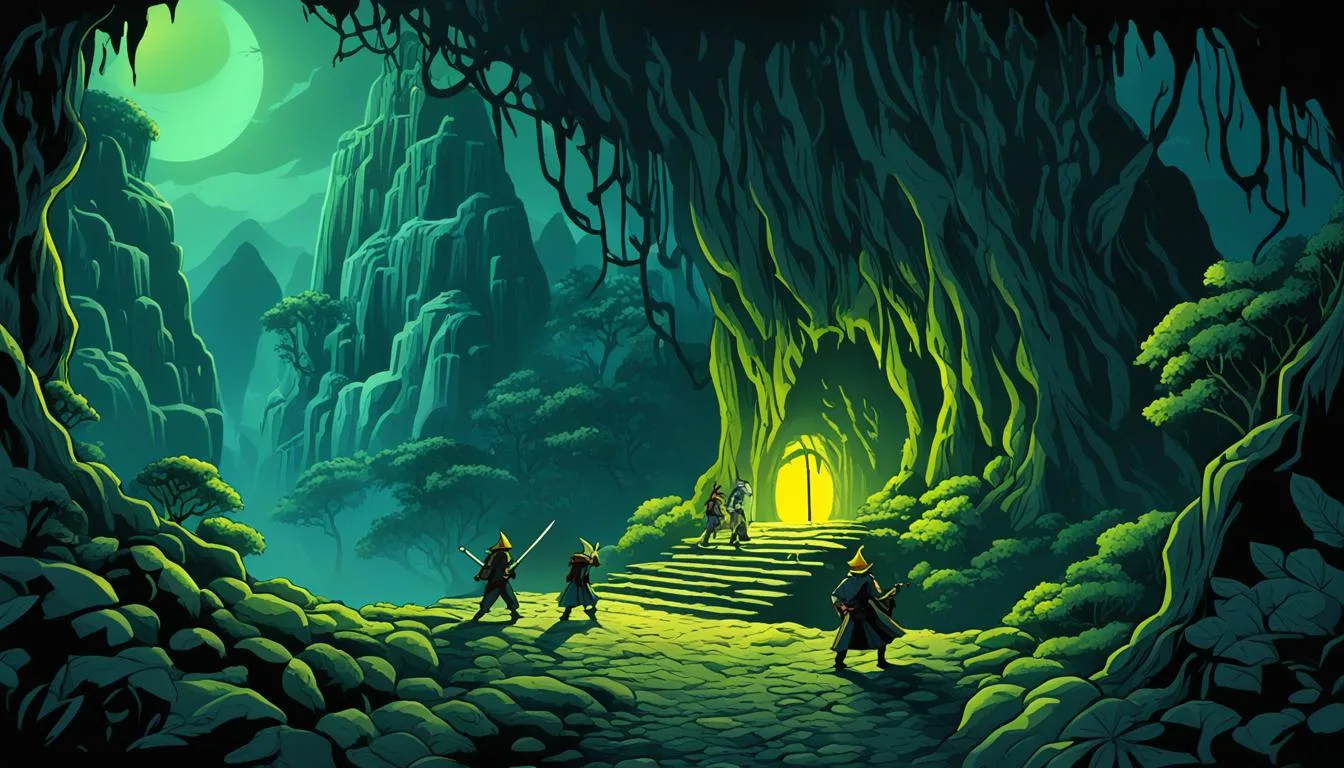
Avalon Quests brings the excitement of hidden roles and strategic deduction to your game table. This fantasy adventure challenges players to navigate loyalty, deception, and teamwork as they complete dangerous missions in the legendary realm of Avalon.
Players take on secret identities as either loyal servants of Arthur or evil minions working to sabotage the kingdom. Success depends on your ability to read others, build trust with allies, and identify enemies hiding among your ranks.
TL;DR
- 5-10 players split between Good and Evil teams with hidden identities.
- Good players must complete 3 out of 5 quests to win the game.
- Evil players win by failing 3 quests or assassinating Merlin at game end.
- Games typically last 30-45 minutes with intense discussion and voting.
Avalon Quests Game Components
The game includes several key components that drive the action and intrigue. Each piece serves a specific purpose in creating the tense atmosphere that makes Avalon so engaging.
Character Cards
Character cards determine your secret role and special abilities throughout the game. These cards reveal whether you serve Good or Evil, plus any unique powers you possess.
- Merlin – Knows all Evil players but must stay hidden to avoid assassination.
- Percival – Sees Merlin and Morgana but cannot tell them apart.
- Loyal Servants – Standard Good players with no special knowledge.
- Assassin – Can kill Merlin if Good completes three quests.
- Morgana – Appears as Merlin to Percival, creating confusion.
- Mordred – Hidden from Merlin’s sight, making them dangerous.
Quest Cards and Voting Tokens
Quest cards determine success or failure for each mission attempt. Vote tokens let players approve or reject proposed quest teams before missions begin.
The voting phase creates crucial discussion opportunities where players can argue for their preferred team compositions. Smart players use these moments to gather information about others’ true loyalties.
Game Setup and Player Count
Avalon works best with 5-10 players, though 7-8 provides the ideal balance of roles and discussion time. The character distribution changes based on player count to maintain game balance.
Place the game board in the center with quest tokens, vote markers, and character cards within reach. Each player receives their secret role card and keeps it hidden throughout the game.
- 5 players – 3 Good, 2 Evil (includes Merlin and Assassin).
- 6 players – 4 Good, 2 Evil (adds Percival and Morgana).
- 7 players – 4 Good, 3 Evil (includes Oberon who doesn’t know other Evil players).
- 8-10 players – Additional servants and minions maintain balance.
How to Play Avalon Quests
Each round follows the same pattern of team building, voting, and quest resolution. The leader rotates clockwise after each round, giving everyone chances to propose quest teams.
Team Building Phase
The current leader selects the required number of players for the quest. Team sizes vary by quest number and total player count, creating different strategic considerations.
Leaders must balance including trusted allies while avoiding obvious Evil players. However, since loyalties remain hidden, this creates fascinating psychological gameplay.
Voting Phase
All players simultaneously vote to approve or reject the proposed quest team. If the majority approves, the quest proceeds with that team composition.
If the team gets rejected, leadership passes to the next player who proposes a new team. After five consecutive rejections, Evil automatically wins the round.
Quest Resolution
Quest team members secretly play Success or Fail cards to determine the mission outcome. Good players must always play Success, while Evil players can choose either card.
One Fail card causes the quest to fail (except quest four with 7+ players, which requires two Fail cards). The number of Fail cards played provides clues about Evil players on the team.
Reading the Table
Pay attention to who argues for specific team compositions and how they vote. Patterns in behavior often reveal hidden loyalties better than direct accusations.
Winning Conditions
Good players achieve victory by successfully completing three out of five quests. However, their celebration might be short-lived if the Assassin correctly identifies and kills Merlin.
Evil players can win in two ways: failing three quests during normal gameplay, or successfully assassinating Merlin after Good completes their third quest. This dual win condition keeps tension high throughout the entire game.
Advanced Character Options
Optional characters add complexity and replay value to your family board games collection. These roles create new information dynamics and strategic possibilities.
Percival and Morgana Duo
Percival sees both Merlin and Morgana but cannot distinguish between them. This creates a guessing game where Percival must figure out which one truly serves Good.
Morgana can pretend to give Good players information, potentially leading them astray. This pairing adds layers of deception that experienced players love.
Mordred and Oberon Variants
Mordred remains invisible to Merlin, creating blind spots in Good’s information network. Oberon doesn’t know the other Evil players, making them harder to coordinate with but also less suspicious.
These characters work well in larger games where additional complexity enhances rather than overwhelms the experience. Consider introducing them after players master the basic roles.
Strategy Tips for Success
Successful Avalon play requires careful observation, logical deduction, and strategic communication. Both Good and Evil players need different approaches to achieve their objectives.
Good Player Strategies
Focus on building trust networks with other Good players while identifying Evil team members. Share information carefully – too much knowledge shared openly can expose Merlin to assassination.
Vote strategically on quest teams, rejecting compositions that likely include Evil players. Remember that failed quests provide valuable information about team member loyalties.
Evil Player Tactics
Blend in with Good players by participating in helpful discussions and voting patterns. Sabotage quests strategically – failing every quest you’re on makes your loyalty obvious.
Work together with other Evil players through subtle signals and coordinated voting. Your goal isn’t just failing quests, but also gathering information to identify Merlin later.
Common Mistakes to Avoid
New players often make telling mistakes that reveal their true loyalties. Learning to recognize and avoid these patterns improves your deception skills significantly.
- Information sharing – Good players revealing too much knowledge about Evil players.
- Voting patterns – Evil players consistently voting together on team proposals.
- Quest behavior – Always failing or succeeding quests you participate in.
- Discussion focus – Spending too much time defending or attacking specific players.
The best Avalon games happen when players maintain some uncertainty about each other’s loyalties until the final moments. This requires careful balance between sharing helpful information and maintaining strategic ambiguity.
Consider exploring other social deduction games like Werewolf or Secret Hitler to develop your bluffing and reading skills. These experiences translate well between different hidden role games.
Frequently Asked Questions
How long does a typical Avalon game take?
Most games finish in 30-45 minutes, though discussion-heavy groups might extend this to an hour. The pace depends on how much players debate team selections and analyze quest results.
Can Evil players play Success cards on quests?
Yes, Evil players can play Success cards to avoid suspicion or help create confusion about team composition. Strategic success plays often work better than obvious sabotage attempts.
What happens if the Assassin guesses wrong?
If the Assassin incorrectly identifies Merlin after Good completes three quests, Good wins the game immediately. The assassination attempt only succeeds if they correctly name the Merlin player.
Is Avalon suitable for children?
The game works well for ages 13 and up who can handle strategic deception and social dynamics. Younger children might struggle with the bluffing elements and complex role interactions.
Final Thoughts
Avalon Quests delivers intense social interaction and strategic thinking that makes it perfect for unique game night ideas. The blend of hidden roles, teamwork, and deduction creates memorable gaming experiences that players discuss long after the session ends.
Whether you’re building trust as a loyal servant or weaving lies as an evil minion, every game tells a different story. Start with the basic roles and gradually introduce optional characters as your group develops their skills in this fascinating world of medieval intrigue.

As the founder of Friends Game Night, Ryan channels his enthusiasm for gaming into a platform that celebrates the magic of gathering friends around the digital or physical tabletop. Through his website, Ryan shares insightful articles, reviews, and recommendations, aiming to inspire others to create their own memorable gaming moments.
Subscribe to Our Newsletter