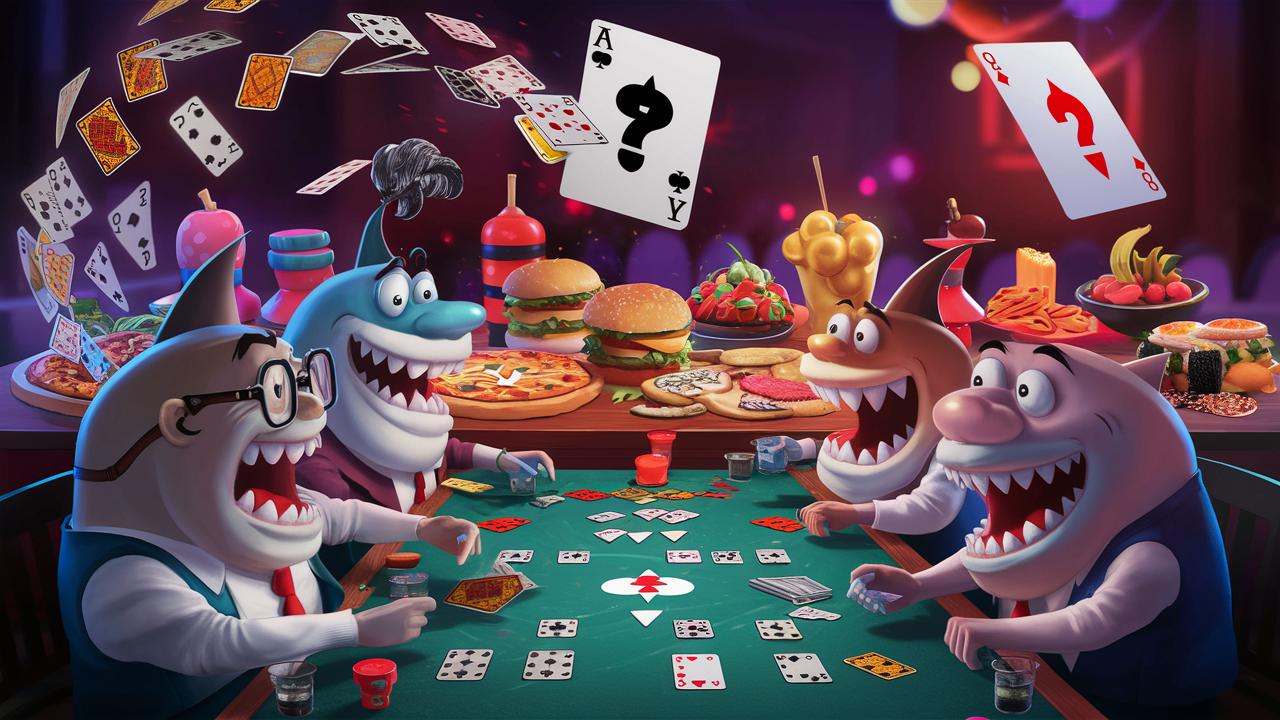
Card Game Challenges for Card Sharks offer the perfect way to test your skills beyond basic gameplay. Whether you’re a seasoned player or looking to sharpen your abilities, these challenges will push your card-playing talents to new heights.
From speed rounds to memory tests, card game challenges add fresh excitement to familiar games. They’re perfect for groups who want more than just regular rounds of their favorite card games.
TL;DR
- Speed challenges can reduce game time by 50% while doubling the intensity and decision-making pressure.
- Memory-based card challenges improve recall skills by up to 40% when practiced regularly over 4-6 weeks.
- Tournament-style brackets work best with 8-16 players and 3-4 different challenge types per event.
- Most card game challenges require only standard playing cards and a timer, making them budget-friendly additions to any game night.
Card Game Challenges for Card Sharks
The best card game challenges combine skill, speed, and strategy in ways that regular gameplay can’t match. These modified versions of classic games force players to think faster and make decisions under pressure.
Start with challenges based on games your group already knows well. This lets players focus on the new twist rather than learning rules from scratch.
Speed-Based Challenges
Speed challenges strip away thinking time to test your instincts and quick decision-making. These work particularly well with trick-taking games and matching games.
- Lightning Rounds – Cut normal turn time in half using a 30-second timer for each decision.
- Rapid Fire Matching – Players must match cards as fast as possible without looking ahead in their hand.
- Blitz Poker – Standard poker rules but with 15-second betting rounds and no table talk allowed.
- Speed Solitaire Races – Multiple players race to complete identical solitaire setups simultaneously.
Memory and Concentration Challenges
Memory challenges test your ability to track cards and remember what’s been played. These work especially well with games that have hidden information or require card counting.
Most memory challenges become easier with practice, so rotate different types to keep everyone challenged. Mix short-term memory tests with longer recall challenges.
Card Tracking Tests
- Blind Bidding – Bid on tricks without looking at your cards until after all bids are placed.
- Memory Palace – View all cards for 30 seconds, then play the entire hand face-down from memory.
- Echo Rounds – Repeat the exact sequence of cards played in the previous round.
- Hidden Hand Poker – Play poker where you can only look at your cards once for 10 seconds.
Strategic Complexity Challenges
These challenges add layers of strategy by changing rules, adding restrictions, or creating new victory conditions. They’re perfect for experienced players who want deeper gameplay.
Complex challenges work best when you explain all rule changes before starting. Consider writing them down so players can reference them during play.
Rule Modification Challenges
- Reverse Scoring. Win by having the lowest score instead of highest, completely changing optimal strategy.
- Limited Communication. Partners can only use predetermined signals or single words to communicate.
- Rotating Objectives. Victory conditions change every few rounds, keeping players adaptable.
- Resource Restrictions. Players can only use certain cards or must discard randomly each turn.
Start Simple
Begin with one challenge type per game night and gradually add complexity as your group gets comfortable. Too many new rules at once can overwhelm even experienced players.
Tournament-Style Challenges
Tournament formats create ongoing competition and let multiple challenge types shine in a single event. These work great for larger groups or special occasions like competitive game nights.
Structure tournaments with 3-4 different challenge types so players with different strengths can compete effectively. Include at least one speed challenge, one memory test, and one strategy modification.
Tournament Structure Options
- Round Robin – Everyone plays everyone else in different challenge types.
- Elimination Brackets – Winners advance while losers get second chances in consolation rounds.
- Points Accumulation – Players earn points across multiple challenges, with highest total winning.
- Team Competitions – Groups compete in relay-style challenges with different players handling different challenge types.
Custom Challenge Creation
Creating your own card game challenges lets you tailor difficulty and style to your specific group. Start with a familiar game and add one new element at a time.
The best custom challenges combine elements your group enjoys most. If they love strategy games, add strategic complications rather than speed pressure.
Challenge Design Elements
- Time Pressure – Add timers, reduce thinking time, or create real-time elements.
- Information Limits – Restrict what players can see, remember, or communicate.
- Victory Twists – Change win conditions, add multiple objectives, or reverse normal scoring.
- Physical Elements – Add movement, specific positions, or manual dexterity requirements.
Test new challenges with a small group first to identify confusing rules or balance issues. Most custom challenges need 2-3 rounds of adjustments before they work smoothly.
Equipment and Setup
Most card game challenges require minimal additional equipment beyond standard playing cards. A reliable timer is essential for speed challenges, while paper and pencils help track complex scoring systems.
Keep setup simple so you can transition between regular games and challenges quickly. Complicated equipment requirements kill the spontaneous fun that makes game night challenges so appealing.
Essential Challenge Equipment
- Multiple Timer Options – Smartphone apps, kitchen timers, or hourglass timers for different challenge types.
- Score Tracking – Notebooks, whiteboards, or printable score sheets for complex challenges.
- Card Protection – Sleeves or multiple decks if challenges involve heavy shuffling or quick handling.
- Reference Cards – Quick rule summaries for complex challenges so players don’t have to memorize everything.
Frequently Asked Questions
How long should card game challenges last?
Most challenges work best in 15-30 minute segments. This keeps energy high without causing mental fatigue from sustained pressure.
Can beginners participate in card game challenges?
Yes, but start with simpler base games and gentler challenges like extended thinking time rather than speed pressure. Focus on fun over competition for new players.
What’s the best number of players for card challenges?
Most card game challenges work best with 4-8 players. Smaller groups lack competitive energy while larger groups make individual challenges too chaotic.
How do you handle different skill levels in challenges?
Use handicap systems like giving weaker players extra time, fewer restrictions, or bonus points. Alternatively, create team challenges where players complement each other’s strengths.
Final Thoughts
Card Game Challenges for Card Sharks transform familiar games into exciting tests of skill and adaptability. They’re perfect for groups ready to move beyond basic gameplay into more competitive territory.
Start with one simple challenge this week and build your repertoire based on what your group enjoys most. The best challenges become regular features that everyone looks forward to.

As the founder of Friends Game Night, Ryan channels his enthusiasm for gaming into a platform that celebrates the magic of gathering friends around the digital or physical tabletop. Through his website, Ryan shares insightful articles, reviews, and recommendations, aiming to inspire others to create their own memorable gaming moments.
Subscribe to Our Newsletter