Creating A Welcoming Game Night Atmosphere starts with setting the right mood from the moment your guests walk through the door. The environment you create can make the difference between a good evening and an unforgettable one that has everyone asking when the next game night will be.
A welcoming atmosphere goes beyond just having great games ready to play. It’s about making every person feel comfortable, included, and excited to participate in whatever the evening brings.
TL;DR
- Set your lighting to 70% brightness or use warm table lamps to create a cozy environment that’s still bright enough to read game components clearly.
- Prepare 3-4 different drink options and keep snacks in easy-to-reach bowls so players don’t have to interrupt games to satisfy cravings.
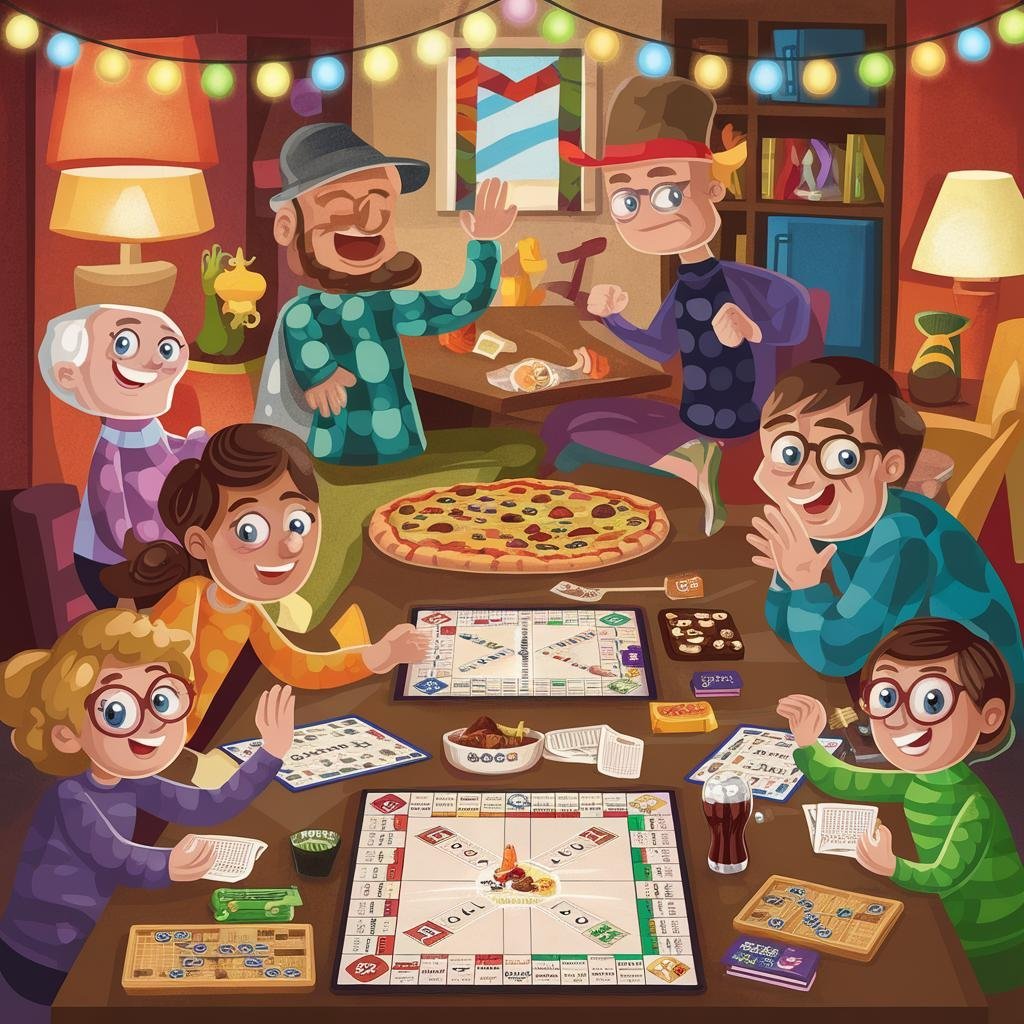
- Arrange seating in a circle or around a central table with everyone at the same eye level to encourage equal participation.
- Have 2-3 backup games ready that accommodate different group sizes in case your planned activities don’t match the evening’s energy.
Creating A Welcoming Game Night Atmosphere
The foundation of any great game night lies in thoughtful preparation that puts your guests at ease. Start by considering the physical space where you’ll be playing and how you can make it feel inviting rather than formal or cramped.
Temperature control plays a bigger role than most hosts realize – keep the room slightly cooler than normal since body heat from multiple people and the excitement of gameplay will naturally warm things up. A room that feels perfect when empty will become uncomfortable once filled with engaged players.
Setting Up Your Physical Space
Your seating arrangement sends immediate signals about the type of evening you’re hosting. Avoid having people sit at different heights or facing away from each other, as this creates barriers to natural conversation and interaction.
Consider these essential space elements:
- Table height – Everyone should be able to reach the center comfortably without stretching or leaning awkwardly
- Chair comfort – Comfortable seating for extended game sessions prevents fidgeting and keeps players focused on fun rather than discomfort
- Clear pathways – Leave space for people to move around without disrupting ongoing games
- Surface protection – Use tablecloths or mats to protect furniture and reduce noise from game pieces
Lighting That Works
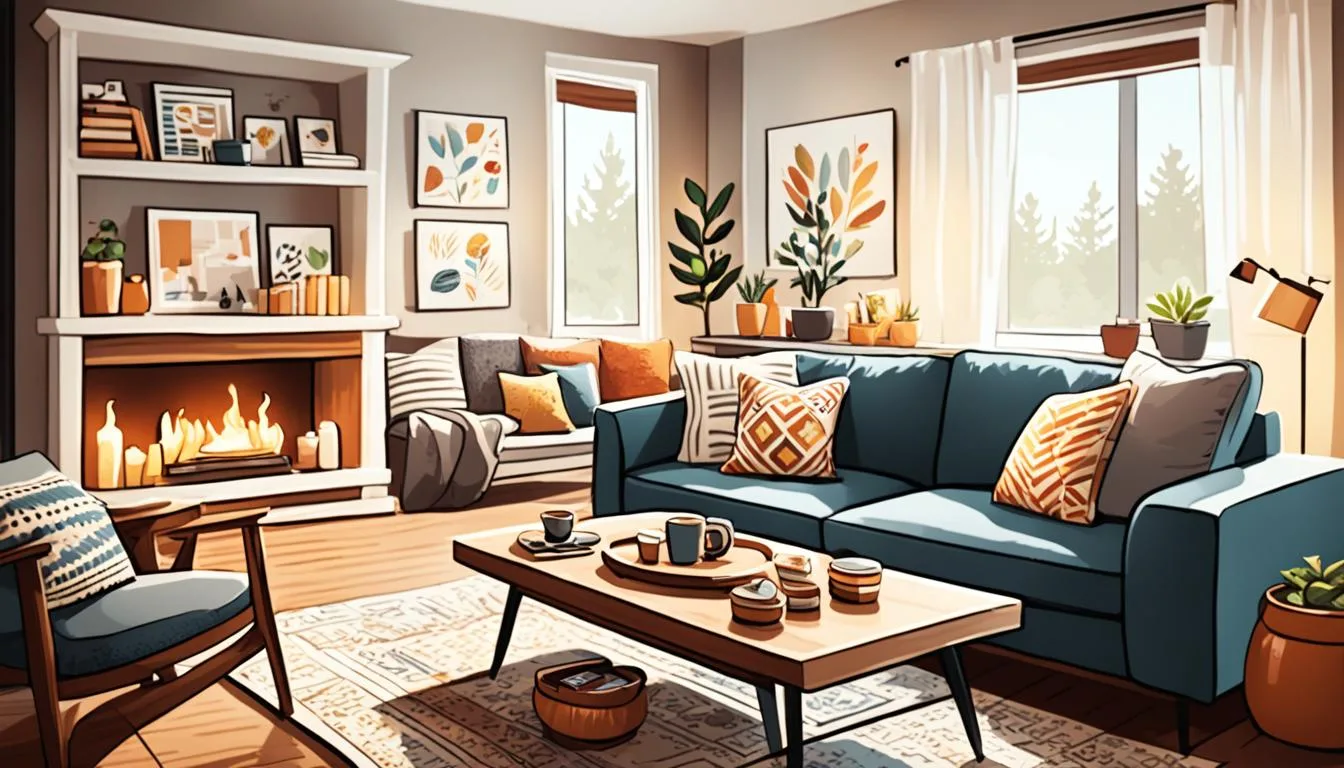
Harsh overhead fluorescents kill the cozy atmosphere you’re trying to build. Instead, use multiple warm light sources at different levels to create depth and comfort in your space.
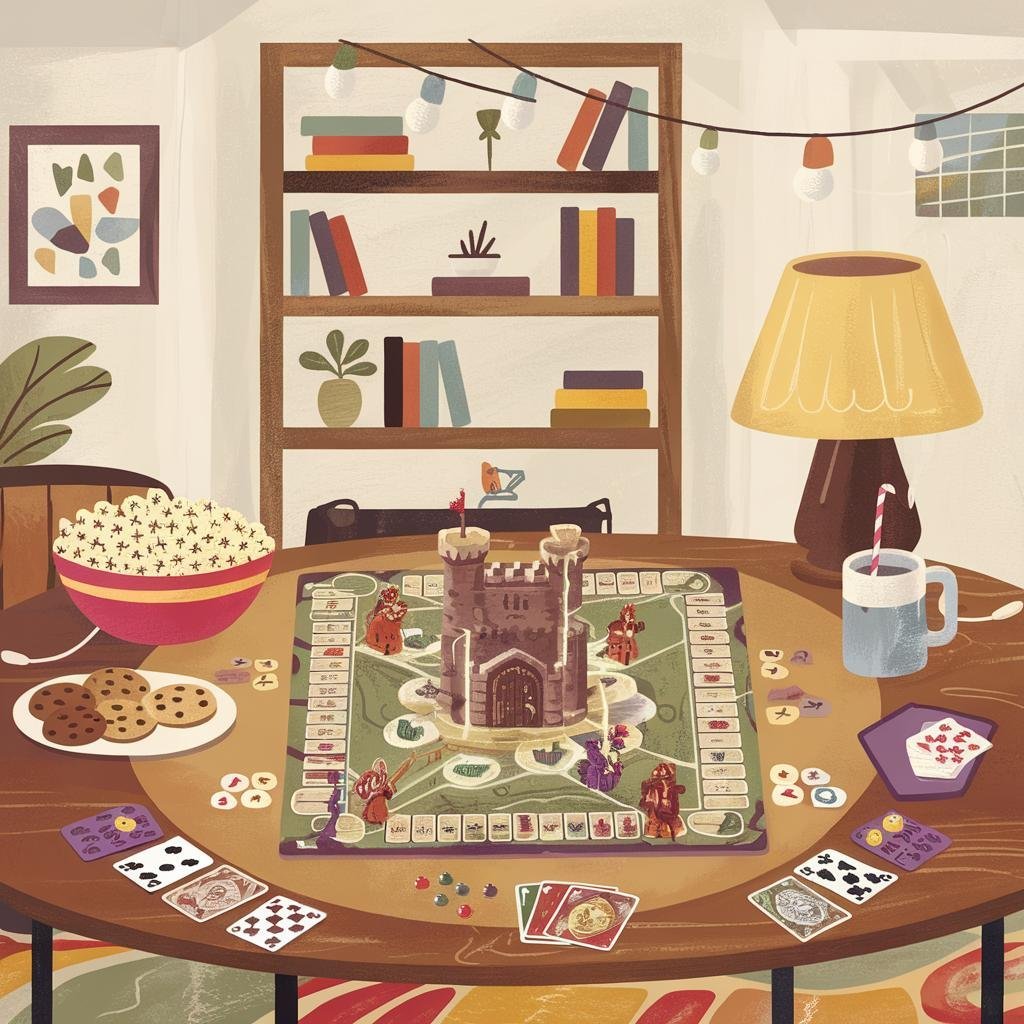
Table lamps, floor lamps, and even string lights can work together to provide adequate visibility for reading cards and game boards while maintaining that welcoming glow. Test your lighting setup by trying to read small text on game cards from every seat.
Food and Drink Strategy
Nothing says “welcome” quite like having refreshments ready when guests arrive. The key is choosing items that won’t interfere with gameplay or create messy situations that distract from the fun.
Game night snack ideas should focus on finger foods that don’t leave residue on hands or game components. Think cut vegetables, cheese cubes, crackers, and fruits rather than chips that leave orange dust or sticky candies.
Beverage Planning
Have both alcoholic and non-alcoholic options available, and don’t make assumptions about what people want to drink. Water should always be easily accessible, and consider providing cups with lids or bottles to prevent spills on game boards.
Set up a dedicated drink station away from the gaming area so people can refresh without disturbing active games. This also creates a natural mingling spot during breaks.
Quick Atmosphere Boost
Play soft background music at conversation level when guests first arrive, then lower it further once games begin. The initial music helps fill awkward silences while people settle in.
Managing Group Dynamics
A welcoming atmosphere depends heavily on how well you manage the social aspects of your gathering. Your role as host extends beyond providing space and snacks – you’re also the social facilitator who sets the tone for interactions.
Game night icebreakers work particularly well when you have guests who don’t know each other well. Even simple introductions where people share their favorite type of game can help break down barriers.
Handling Different Personality Types
Every group includes a mix of competitive players, casual participants, and somewhere-in-between personalities. Acknowledge these differences openly and frame them as strengths that make the evening more interesting.
Watch for signs that someone feels left out or overwhelmed, and be ready to suggest alternative activities or create smaller groups if needed. Sometimes the most welcoming thing you can do is recognize when someone needs a different type of engagement.
Game Selection and Flow
The games you choose and how you introduce them significantly impact your atmosphere. Start with something accessible that gets everyone involved quickly, saving complex strategy games for later when people are more comfortable.
Consider your group’s energy level and adjust accordingly:
- Opening games – Choose something light that accommodates late arrivals and gets conversation flowing
- Main event – Move to your planned feature games once everyone has settled in
- Wind-down options – Have shorter, simpler games ready for when energy starts to fade
Explaining Rules Effectively
How you teach games sets the tone for the entire experience. Avoid overwhelming people with every detail upfront – cover the basic goal and core mechanics, then explain exceptions and strategy tips as they come up during play.
Encourage questions and make it clear that asking for clarification is welcome rather than disruptive. Game night etiquette starts with the host modeling patience and inclusivity.
Handling Challenges Gracefully
Even well-planned evenings encounter unexpected situations, and how you handle these moments greatly affects your overall atmosphere. Stay flexible and focus on keeping everyone engaged rather than sticking rigidly to your original plan.
Common challenges include guests arriving much later than expected, games taking longer than anticipated, or personality conflicts arising during competitive moments. Planning for unexpected situations helps you respond smoothly without letting stress show.
When Games Aren’t Working
Sometimes a game just doesn’t click with your particular group on a particular evening. Recognize these situations early and suggest switching to something else rather than forcing everyone to suffer through an activity that isn’t fun.
Keep your backup options visible so transitions feel natural rather than like admissions of failure. Frame game changes as “trying something different” rather than acknowledging that something went wrong.
Frequently Asked Questions
How early should I set up before guests arrive?
Plan to have everything ready at least 30 minutes before your stated start time. This gives you a buffer to handle last-minute adjustments and greet guests calmly when they arrive.
What’s the ideal temperature for a game night?
Set your thermostat 2-3 degrees cooler than your normal preference. Multiple people and active engagement will naturally warm the room, and nobody wants to feel stuffy during a long gaming session.
How do I handle guests who don’t want to participate in certain games?
Always have alternative activities available and make it clear that sitting out is perfectly fine. Consider having a puzzle, book, or quieter game available for those who need a break from group activities.
Should I assign seats or let people choose where to sit?
Let people choose initially, but be prepared to suggest seating changes if the arrangement isn’t working well for gameplay or group dynamics. Frame any suggestions positively as ways to improve everyone’s experience.
Final Thoughts
Creating A Welcoming Game Night Atmosphere requires attention to both physical comfort and social dynamics, but the effort pays off in memorable evenings that strengthen friendships. Focus on making everyone feel included and comfortable rather than trying to impress with elaborate setups.
Start with these fundamentals and adjust based on your specific group’s preferences – the best atmosphere is one that feels natural and genuine to your hosting style.

As the founder of Friends Game Night, Ryan channels his enthusiasm for gaming into a platform that celebrates the magic of gathering friends around the digital or physical tabletop. Through his website, Ryan shares insightful articles, reviews, and recommendations, aiming to inspire others to create their own memorable gaming moments.
Subscribe to Our Newsletter