Hosting Large Game Nights requires careful planning to keep everyone engaged and having fun. When you’re welcoming 10, 15, or even 20+ people into your space, the usual strategies for intimate gatherings won’t cut it.
The key is creating multiple activity zones and having backup plans ready. With the right approach, large groups can actually be more energetic and memorable than smaller ones.
TL;DR
- Plan for 3-4 simultaneous games to accommodate 15+ people without long wait times.
- Set up 2 designated snack stations to prevent crowding around one food area.
- Create a 30-minute rotation schedule so players can switch games and meet new people.
- Prepare 5-10 extra chairs and designate overflow seating areas before guests arrive.
Hosting Large Game Nights Successfully
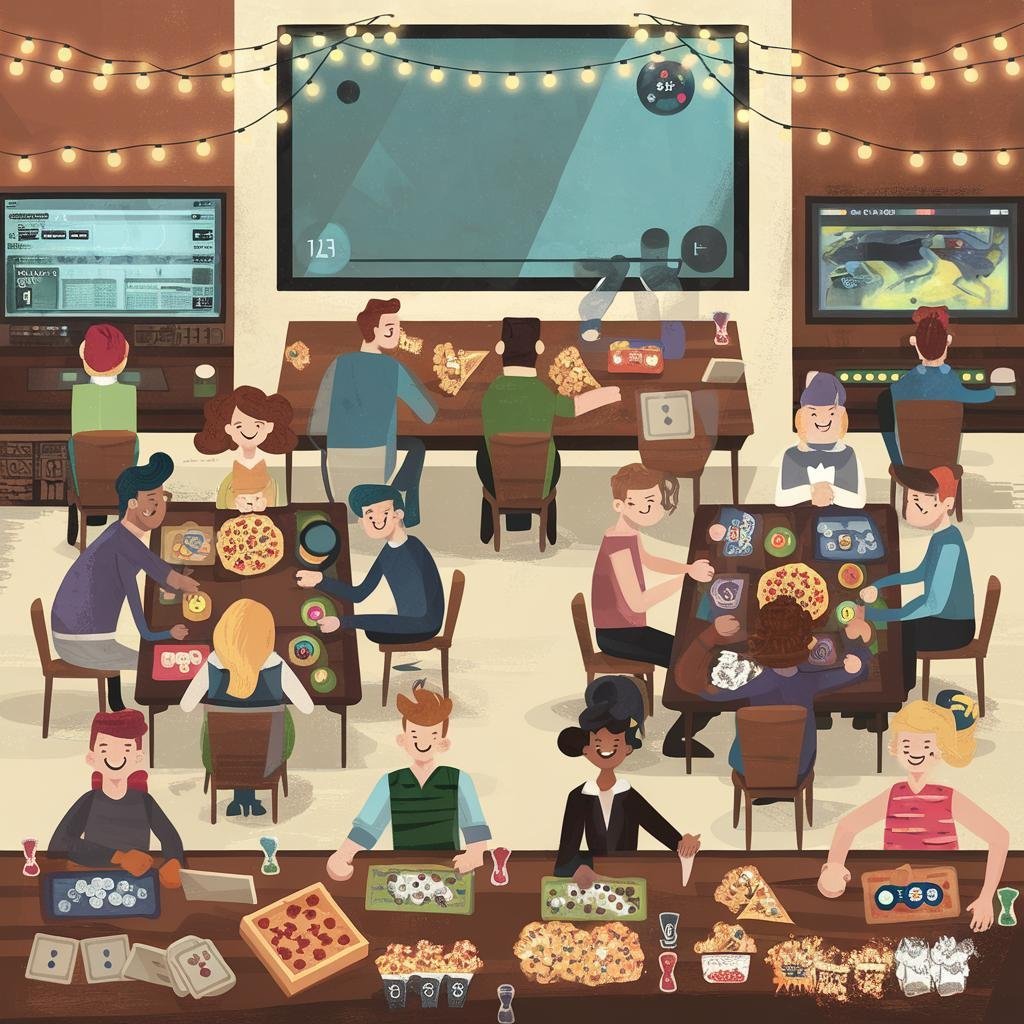
The biggest challenge with large game nights is keeping everyone actively playing instead of standing around waiting. Most board games work best with 4-6 players, so you need multiple games running simultaneously.
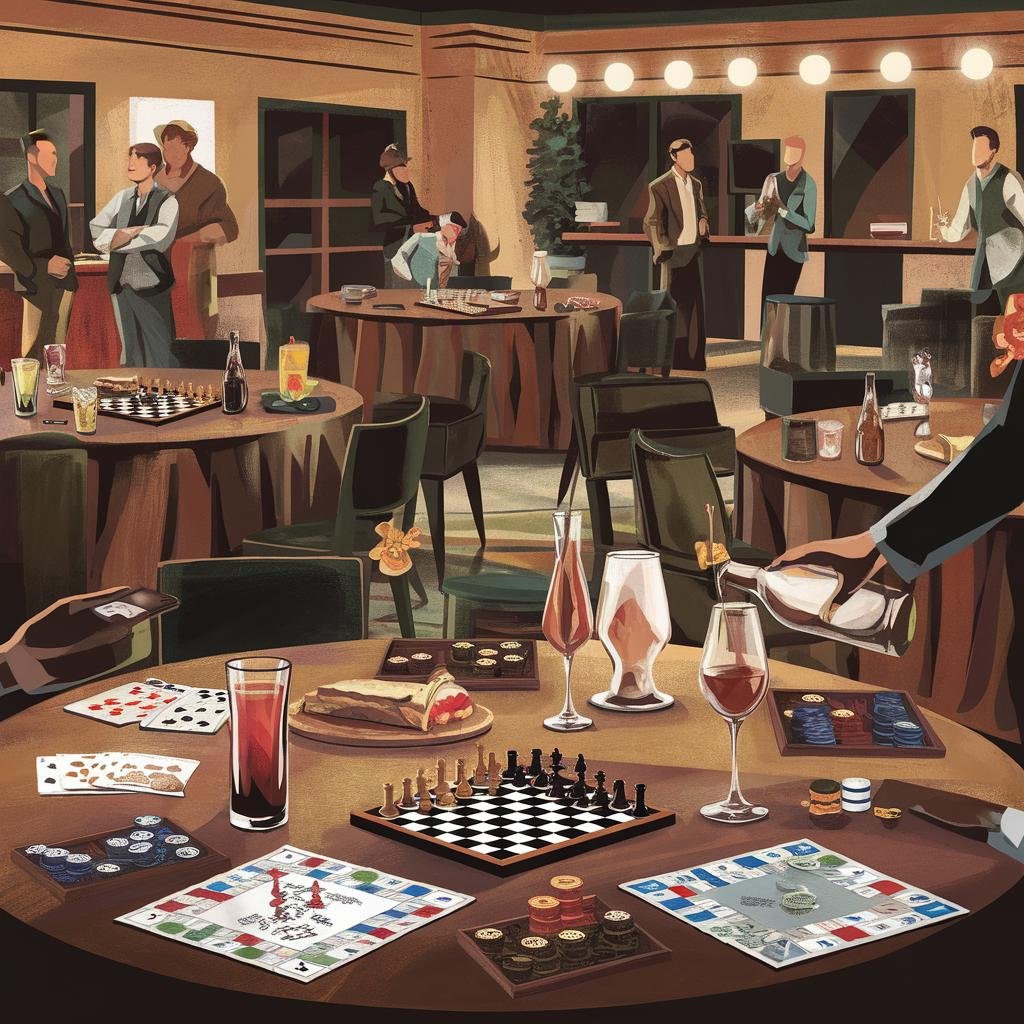
Start by dividing your available space into distinct gaming zones. Each area should have enough room for players to move around their chairs and reach snacks without disrupting other games.
Game Selection for Large Groups
Choose games that naturally accommodate different group sizes and skill levels. Having variety ensures everyone finds something they enjoy playing.
- Party Games – Codenames, Wavelength, and Telestrations work great for 6-10 players in one group.
- Strategy Options – Set up Terraforming Mars or Splendor for players who want deeper gameplay.
- Quick Card Games – Keep Exploding Kittens and similar fast games ready for players between longer sessions.
- Classic Standbys – Have Uno and other familiar games available for mixed skill groups.
Space Management and Setup
Your furniture arrangement makes or breaks a large game night. People need clear paths to move between games, bathrooms, and food areas without interrupting active players.
Push large furniture against walls to maximize floor space. Set up your main gaming tables first, then arrange smaller card tables or folding tables around the perimeter.
Essential Setup Elements
- Multiple Gaming Zones. Create 3-4 distinct areas with different table heights and seating arrangements.
- Clear Traffic Flow. Leave 3-foot walkways between seating areas so people can move freely.
- Designated Game Storage. Set up a central station where unused games stay organized and accessible.
- Extra Seating Ready. Have folding chairs stored nearby but not cluttering the main areas.
Lighting Tip
Add ambient lighting to each gaming zone. Table lamps or LED strips help players read cards and create cozy atmospheres in each area.
Food and Drink Logistics
Large groups create bottlenecks around food areas, so strategic placement prevents crowding. Set up multiple snack stations in different rooms or corners rather than one central buffet.
Focus on finger foods that won’t damage game components. Avoid anything messy, sticky, or that requires utensils while playing.
Smart Food Station Setup
- Main Snack Area – Chips, crackers, and bulk items in the kitchen or dining room.
- Drink Station – Set up beverages away from the main food to spread out traffic.
- Gaming Room Snacks – Keep small bowls of nuts or candy near each gaming zone.
- Cleanup Supplies – Place napkins and small trash bins at every gaming station.
Managing Game Rotation and Flow
Without a plan, some players end up stuck in long games while others finish quickly and wait around. Create a loose rotation system that keeps energy high throughout the night.
Announce time warnings before implementing transitions. Most groups naturally rotate every 45-60 minutes, but you can gently encourage movement with announcements.
Rotation Strategies
- Timed Rounds. Set 45-minute timers and announce when games should wrap up.
- Winner Rotation. Winners move to different tables while others continue or start new games.
- Natural Breaks. Use snack refills and bathroom breaks as opportunities for reshuffling.
- Game Master Role. Designate someone to float between tables and facilitate smooth transitions.
Handling Logistics and Challenges
Large groups create unique problems you won’t face with 4-6 people. Noise levels rise, bathroom lines form, and some personality conflicts might emerge.
Plan ahead for these issues rather than hoping they won’t happen. Having solutions ready keeps the night fun for everyone.
Common Large Group Challenges
- Noise Management – Separate loud party games from quiet strategy areas using different rooms when possible.
- Late Arrivals – Keep flexible games like charades or trivia ready for people joining mid-evening.
- Energy Dips – Have high-energy games ready when the group starts getting tired or quiet.
- Skill Mismatches – Create beginner-friendly tables and experienced player tables naturally through game selection.
Essential Supplies and Backup Plans
Large game nights require more supplies than you initially think. Running out of basics like chairs, cups, or napkins can derail the fun quickly.
Create a checklist of essentials and gather everything before guests arrive. Having extras prevents scrambling during the party.
Supply Checklist for 15+ People
- Seating – 20% more chairs than expected guests, plus floor cushions for overflow.
- Tables – Mix of heights including TV trays and card tables for different games.
- Lighting – Portable lamps or battery LED lights for darker corners.
- Storage – Bins or shelves for organizing unused games during the night.
- Cleanup – Extra trash bins, paper towels, and wet wipes at each station.
Frequently Asked Questions
How many games should I have ready for 20 people?
Plan for 6-8 different games running simultaneously, plus 3-4 backup options for quick transitions or late arrivals.
What’s the best way to handle different skill levels?
Set up beginner tables with simple games and experienced tables with complex strategy games. Let people self-select their comfort level.
How do I prevent one game from dominating the entire night?
Use gentle time limits and announce rotation periods. Offer appealing alternatives when games run long to encourage natural transitions.
What if my space feels too crowded?
Move some activities outdoors or to other rooms in your home. Even hallways and kitchens can work for simple card games.
Final Thoughts
Hosting Large Game Nights becomes manageable when you plan for multiple simultaneous activities and smooth transitions. The energy of big groups creates memorable experiences that smaller gatherings can’t match.
Start with these strategies for your next large gathering and adjust based on what works for your space and group dynamics.
class=”aligncenter size-large wp-image-608″ title=”best games for large groups”
class=”aligncenter size-large wp-image-609″ title=”hosting game nights at home”

As the founder of Friends Game Night, Ryan channels his enthusiasm for gaming into a platform that celebrates the magic of gathering friends around the digital or physical tabletop. Through his website, Ryan shares insightful articles, reviews, and recommendations, aiming to inspire others to create their own memorable gaming moments.
Subscribe to Our Newsletter