TL;DR
- Choose 3-4 different card games with varying complexity levels to keep 4-8 players engaged for 2-3 hours.
- Set up multiple small tables or stations to accommodate different group sizes and game preferences simultaneously.
- Prepare simple snacks and drinks that won’t interfere with card handling – think finger foods and covered beverages.
- Start with a 15-minute icebreaker card game to get everyone comfortable before moving to longer strategic games.
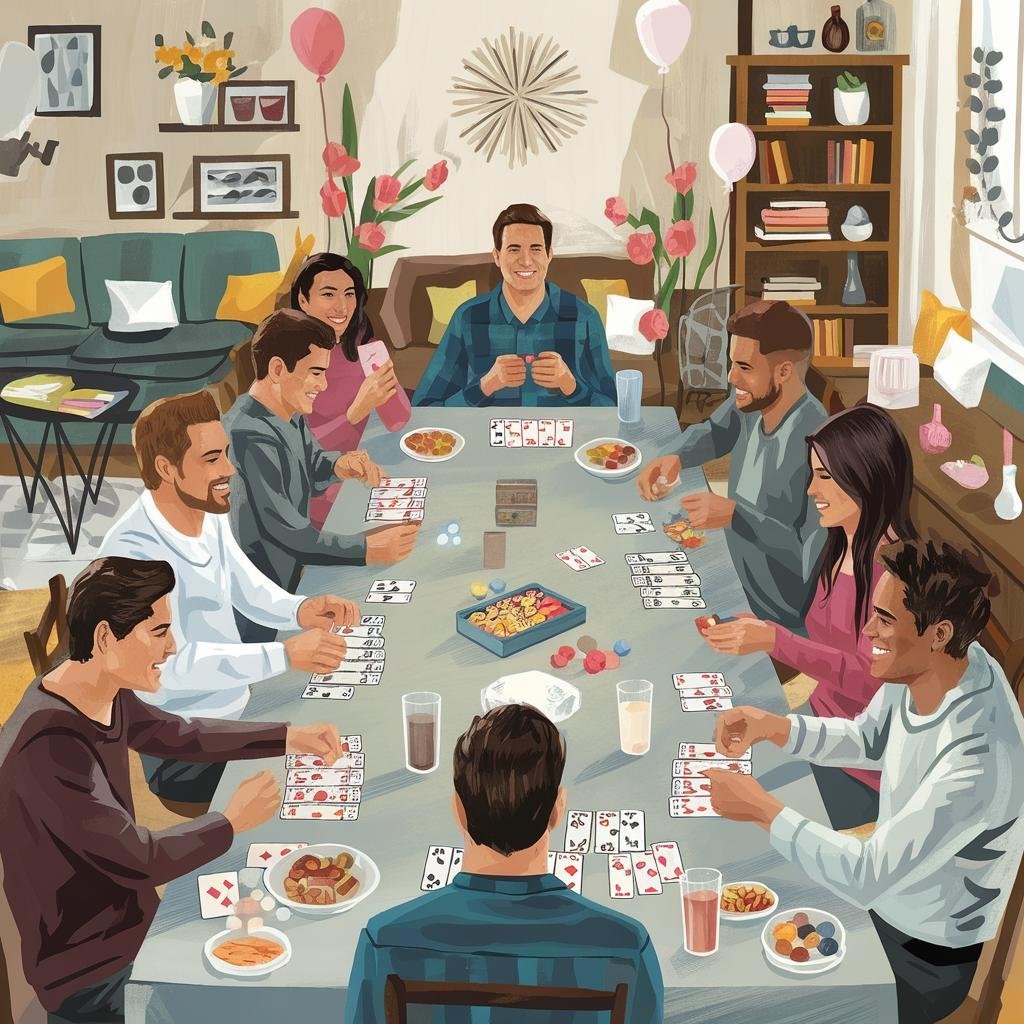
How Do You Make Card Games The Highlight Of A Casual Friends Game Night
First Posted March 27, 2026 | 🕒 Last Updated on March 27, 2026 by Ryan ConlonSuccess starts with understanding your friend group’s gaming preferences and comfort levels. Survey your friends beforehand to gauge their interest in different types of card games – some groups prefer quick party games while others enjoy longer strategic challenges.
Create a welcoming environment by arranging seating in circles or around tables that encourage face-to-face interaction. Good lighting and comfortable seating make card reading easier and keep players engaged longer without fatigue.
Selecting the Perfect Card Game Mix
Balance is crucial when choosing your card game lineup for the evening. Include games with different time commitments, complexity levels, and player counts to accommodate varying moods and energy throughout the night.
Consider these categories when building your game selection:
- Icebreaker Games – Quick 10-15 minute games like Sushi Go or Love Letter to warm up the group.
- Party Games – Social games like Cards Against Humanity or Exploding Kittens that generate laughs and conversation.
- Strategy Games – Deeper games like 7 Wonders or Splendor for friends who enjoy tactical thinking.
- Cooperative Games – Team-based options like Hanabi or The Mind that unite players against the game itself.
Timing Your Game Rotation
Plan your evening’s flow by starting with lighter games and gradually introducing more complex options as players settle in. Most successful game nights follow a natural progression from simple to strategic, allowing energy levels to build rather than peak early.
Keep backup games ready for different scenarios – if a game isn’t clicking with the group, have alternatives that require similar player counts and setup time. How to Choose the Best Card Games for Casual Game Nights With Friends offers detailed guidance on matching games to your specific group dynamics.
Creating the Ideal Gaming Environment
Your physical setup significantly impacts how much everyone enjoys the card games. Ensure each player has enough table space for their cards, a drink, and small snacks without crowding the playing area.
Lighting should be bright enough for easy card reading but warm enough to maintain a cozy atmosphere. Consider these practical setup elements:
- Table Configuration. Use multiple small tables rather than one large table to create intimate gaming pods and reduce noise interference.
- Supply Stations. Set up dedicated areas for drinks, snacks, and game components away from active play areas.
- Score Tracking. Provide paper and pens for games requiring scorekeeping, or use a tablet with a scoring app.
- Game Storage. Keep unused games organized and easily accessible for quick transitions between activities.
Pro Setup Tip
Place small bowls at each table for discarded cards and game pieces. This keeps play areas tidy and prevents accidental mixing of components between games.
Managing Group Dynamics and Engagement
The host plays a crucial role in maintaining energy and ensuring everyone feels included throughout the evening. Learn the rules thoroughly beforehand so you can teach games quickly and answer questions without breaking the flow.
Watch for signs that players are losing interest in a particular game and be ready to suggest transitions. Some friends prefer shorter games with frequent variety, while others enjoy diving deep into longer strategic experiences.
Handling Different Skill Levels
Mixed experience levels can actually enhance the fun if managed properly. Pair experienced players with newcomers for team games, or choose games with catch-up mechanics that keep everyone competitive regardless of skill differences.
For groups new to card gaming, How to Introduce Board Games to Friends Who Have Never Played Before provides strategies that work equally well for card games. Start with games that have simple rules but engaging gameplay to build confidence before introducing more complex options.
Food and Drink Considerations
Smart refreshment choices can make or break a card game night. Greasy or messy foods damage cards and distract from gameplay, while the right snacks actually enhance the social atmosphere.
Choose finger foods that won’t leave residue on hands or require utensils during gameplay. Consider these card-game-friendly options:
- Dry Snacks – Pretzels, crackers, nuts, or popcorn that won’t transfer oils to cards.
- Pre-portioned Items – Individual servings of cookies, chips, or candy that reduce handling of shared containers.
- Covered Beverages – Use cups with lids or bottles to prevent accidental spills on game components.
- Sweet and Savory Balance – Offer both options to satisfy different preferences throughout the evening.
Timing Refreshment Breaks
Plan natural break points between games for bathroom trips and snack refills. This prevents interruptions during active gameplay and gives players time to discuss the previous game or strategize for upcoming challenges.
Keep refreshments accessible but not intrusive – side tables work better than placing food directly on gaming surfaces. How to Find Easy-to-Set-Up Party Games for a Spontaneous Friends Night includes additional tips for creating seamless gaming experiences with minimal preparation.
Building Memorable Moments
The best card game nights create lasting memories through shared experiences and friendly competition. Encourage storytelling about great plays, unexpected victories, or hilarious mistakes that happen during games.
Consider keeping a simple guest book where friends can write about their favorite games or memorable moments from each gathering. This creates continuity between game nights and helps you track which games were hits with your specific group.
Photography and Social Sharing
Capture candid moments of friends engaged in gameplay, but be mindful not to interrupt the flow with excessive photo-taking. A few well-timed shots of intense moments or victory celebrations help preserve memories without being intrusive.
Create a group chat or social media album where friends can share photos and plan future game nights. This extends the fun beyond the actual event and builds anticipation for the next gathering.
Frequently Asked Questions
How many different card games should I prepare for one evening?
Plan for 4-5 different games to provide variety without overwhelming choices. This allows for 2-3 main games plus backup options if something doesn’t work well with your group.
What’s the ideal group size for card game nights?
Groups of 4-8 people work best for most card games. Smaller groups allow for more strategic games, while larger groups are perfect for party-style card games that create lots of interaction.
How do I handle friends who don’t like card games?
Start with very social, low-strategy games that focus on interaction rather than competition. Games like Wavelength or Just One can win over skeptics by emphasizing the social aspects over gaming mechanics.
Should I offer prizes for card game winners?
Small, fun prizes like candy bars or silly trophies can add excitement without creating serious competition. Keep prizes lighthearted to maintain the casual, friendly atmosphere.
How long should a card game night typically last?
Plan for 3-4 hours total, which allows time for socializing, multiple games, and natural breaks. This gives enough time for variety without exhausting participants who have work or family commitments.
Final Thoughts
How Do You Make Card Games The Highlight Of A Casual Friends Game Night comes down to thoughtful preparation, smart game selection, and creating an atmosphere that prioritizes fun over winning. Focus on bringing people together rather than showcasing the most complex or trendy games.
Start planning your next card game night by surveying your friends about their preferences and trying one new approach from this guide. The memories you create will keep everyone looking forward to the next gathering.

As the founder of Friends Game Night, Ryan channels his enthusiasm for gaming into a platform that celebrates the magic of gathering friends around the digital or physical tabletop. Through his website, Ryan shares insightful articles, reviews, and recommendations, aiming to inspire others to create their own memorable gaming moments.
Subscribe to Our Newsletter