Just One Collaborative Word Guessing Game brings teams together through creative clues and shared laughter. This award-winning party game challenges players to help one guesser identify mystery words using single-word clues that must be completely unique.
The twist that makes this game special is the elimination rule – if two players write the same clue, both clues get removed before the guesser sees them. This creates a delicate balance between being helpful and being original that keeps every round engaging.
TL;DR
- Teams of 3-8 players work together to help one guesser identify words using single-word clues.
- Duplicate clues get eliminated automatically, forcing players to think creatively and avoid obvious answers.
- Each round lasts about 15 minutes with 13 cards to guess for a perfect score.
- The game includes 110 double-sided cards with over 500 words across different difficulty levels.
Just One Collaborative Word Guessing Game
Just One transforms the traditional guessing game format by making everyone except the guesser work as a team. Players secretly write single-word clues on erasable slates, then reveal them simultaneously to see which ones survive the duplicate elimination process.
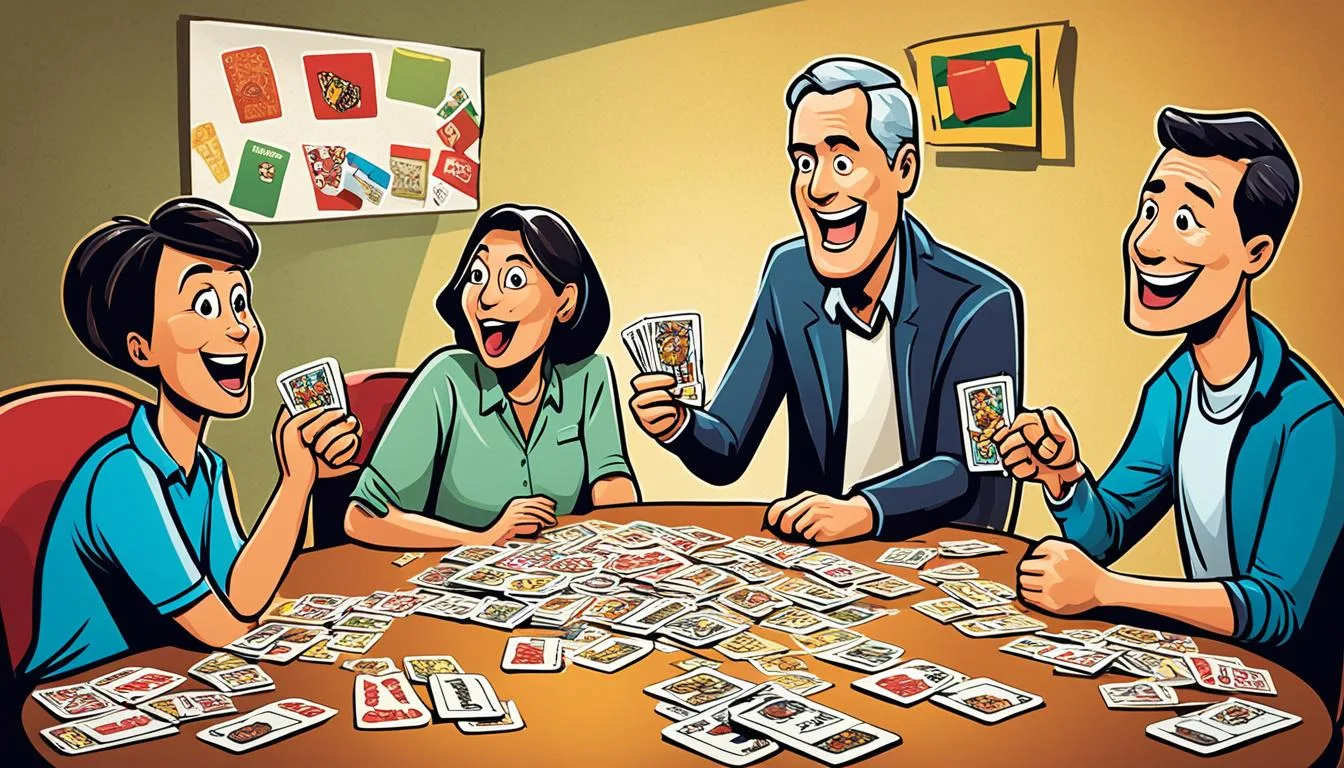
The game creates natural moments of hilarity when players realize they’ve thought alike, or when seemingly perfect clues disappear due to duplicates. This mechanic encourages players to dig deeper and find more creative connections to the mystery word.
Setting Up Your Game
Getting started with Just One requires minimal preparation but benefits from understanding the flow. Each player needs an erasable slate and marker, which come included in the box.
The setup process follows these simple steps:
- Choose the first guesser. This player sits where they can easily turn away from the group.
- Draw a mystery card. The guesser picks a number from 1-5 to select which word they’ll try to guess.
- Distribute materials. Give each clue-writer a slate and marker for their secret clue.
- Set the atmosphere. Make sure the guesser can completely avoid seeing the clues while they’re being written.
The Clue Writing Process
Writing effective clues requires balancing helpfulness with originality. Players must think about what their teammates might write while crafting something useful for the guesser.
The most successful clue writers consider these factors:
- Obvious connections – avoid the first word that comes to mind since others likely thought of it too.
- Personal knowledge – use shared experiences or inside knowledge when appropriate.
- Alternative angles – approach the word from unexpected directions like rhyming, appearance, or function.
- Difficulty level – match your clue complexity to what the guesser can handle.
Mastering the Elimination Phase
The elimination phase creates the game’s signature tension and often produces the biggest laughs. Players reveal their slates simultaneously, and identical clues immediately get erased from all matching slates.
This process teaches players to think beyond surface-level associations. Common eliminations happen with obvious synonyms, rhyming words, or category-based clues that multiple people choose.
Strategic Clue Selection
Experienced players develop strategies for avoiding duplicates while maintaining helpful clues. The key lies in understanding your group’s thinking patterns and finding the sweet spot between obscure and useful.
Consider these approaches when crafting clues:
- Specific over general – “guitar” works better than “music” for most mystery words.
- Function over category – describe what something does rather than what it is.
- Visual descriptions – focus on appearance, color, or size when relevant.
- Emotional connections – use feeling words that relate to the mystery word’s impact.
Perfect Clue Strategy
Write your first instinct, then immediately think of two alternatives before settling on your final clue. This simple pause often leads to more original and effective hints.
Scoring and Winning
Just One uses cooperative scoring where the entire team succeeds or fails together. Players attempt to guess 13 mystery words correctly, with the final score representing how many the team successfully identified.
The scoring system encourages risk-taking and communication:
- Correct guess – the team keeps the card and moves to the next word.
- Incorrect guess – the team loses both the current card and the next card from the deck.
- No guess – the team only loses the current card, making this safer than guessing wrong.
Score Benchmarks
Teams can measure their performance against these general benchmarks, though the real joy comes from improvement over multiple sessions. New groups typically score between 6-8 correct guesses, while experienced teams regularly achieve 10 or more.
The game includes suggested difficulty levels on many cards, allowing teams to adjust their challenge level based on comfort and experience. Family board games like Just One work best when everyone feels included and engaged throughout the experience.
Variations and House Rules
Many groups develop custom rules that enhance their Just One experience. These modifications can address group dynamics, difficulty preferences, or time constraints.
Popular variations include:
- Theme rounds – restrict clues to specific categories like movies, food, or colors.
- Gesture additions – allow simple hand motions alongside written clues for extra challenge.
- Time pressure – add a sand timer for clue writing to increase excitement.
- Bonus points – award extra recognition for particularly creative or helpful clues.
Advanced Group Dynamics
Experienced players often develop meta-strategies based on their group’s tendencies. Understanding who typically thinks alike and who provides unexpected angles helps inform clue-writing decisions.
Groups can explore different approaches to the collaborative element, similar to how Hanabi tests memory and cooperation through hidden information and teamwork challenges.
Teaching New Players
Just One teaches quickly since the core concept is immediately understandable. New players grasp the basic mechanics within one demonstration round, though mastering the duplicate avoidance strategy takes practice.
The most effective teaching approach involves playing one practice round where duplicates don’t matter, allowing new players to see how clues work without pressure. This builds confidence before introducing the elimination mechanic that defines the game’s challenge.
Managing Different Experience Levels
Mixed experience groups benefit from pairing newer players with veterans during clue-writing phases. More experienced players can model creative thinking while newer players contribute fresh perspectives that often surprise everyone.
Consider rotating the guesser role strategically so that newer players get chances to guess with easier words while veterans tackle more challenging vocabulary. This approach maintains engagement while building skills across the group.
Frequently Asked Questions
How many players can play Just One?
Just One accommodates 3-8 players, though 4-6 players provides the optimal experience for clue variety and group dynamics.
Can you use proper nouns as clues?
The official rules allow proper nouns, brand names, and abbreviations as clues, giving players more creative freedom in their hint selection.
What happens if no clues survive the elimination phase?
If all clues get eliminated due to duplicates, the guesser must attempt to guess the word with no help, or the team can choose to skip that card.
How long does a typical game last?
Most games of Just One last 20-30 minutes, making it perfect for starting or ending game night sessions without requiring a major time commitment.
Can children play Just One effectively?
Children who can write simple words and understand basic game concepts typically enjoy Just One, especially when paired with adults who can help guide their clue selection.
Final Thoughts
Just One Collaborative Word Guessing Game succeeds because it transforms individual creativity into collective problem-solving. The duplicate elimination mechanic creates genuine moments of surprise and laughter while encouraging players to think beyond obvious connections.
Whether you’re looking for unique game night ideas or simply want a reliable crowd-pleaser, Just One delivers consistent entertainment that brings groups together through shared challenges and creative thinking.

As the founder of Friends Game Night, Ryan channels his enthusiasm for gaming into a platform that celebrates the magic of gathering friends around the digital or physical tabletop. Through his website, Ryan shares insightful articles, reviews, and recommendations, aiming to inspire others to create their own memorable gaming moments.
Subscribe to Our Newsletter