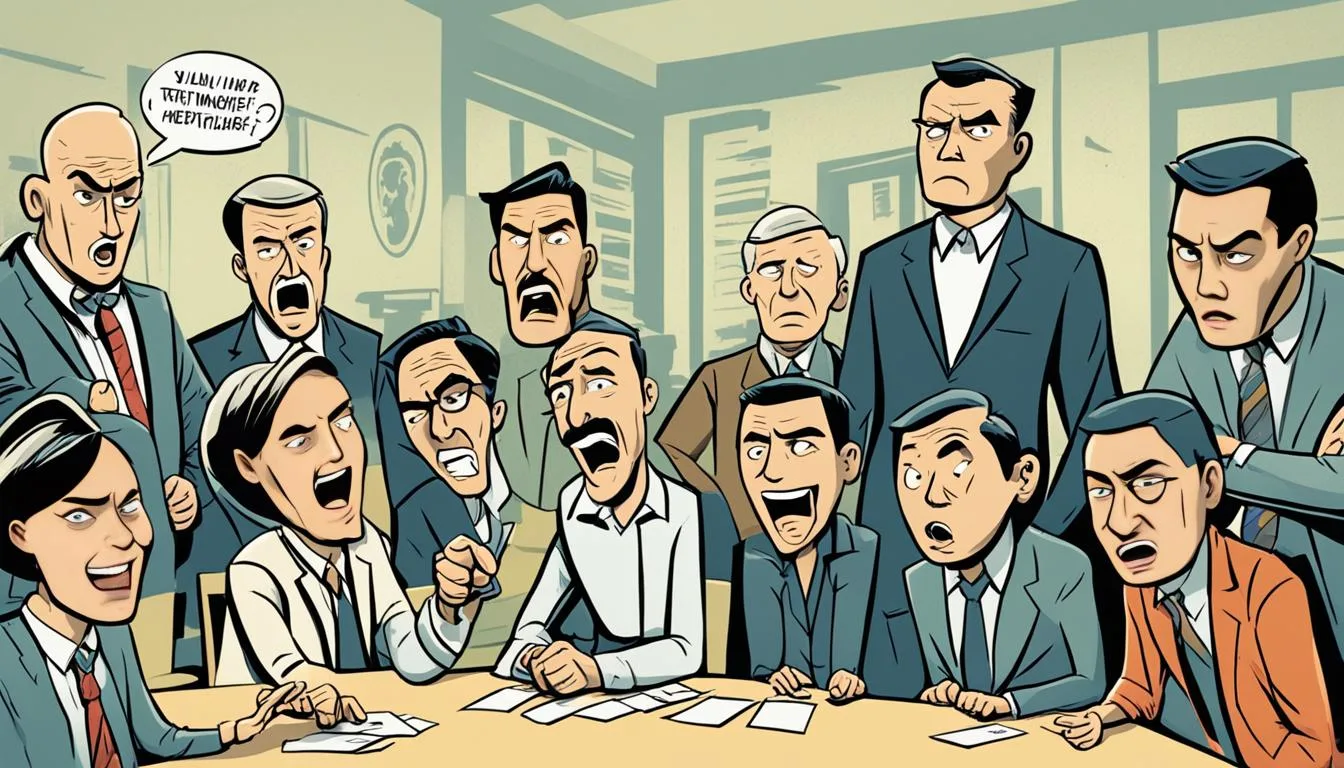
Secret Hitler brings political intrigue and deception to your game table through a hidden role experience where fascists secretly work to install their leader while liberals try to stop them. This social deduction game creates intense moments as players must read each other’s actions and motivations to determine who can be trusted. The tension builds with every policy passed and every accusation made.
Players find themselves questioning friends and allies as the fascist agenda slowly advances if left unchecked. The game balances strategy with social interaction, making every decision feel weighty and every vote crucial to your team’s survival.
TL;DR
- 5-10 players split into secret teams – liberals outnumber fascists 3-to-1 or 4-to-1 depending on player count.
- Fascists win by passing 6 fascist policies OR electing Hitler as Chancellor after 3 fascist policies are enacted.
- Liberals win by passing 5 liberal policies OR successfully assassinating Hitler when revealed.
- Games typically last 15-45 minutes with mounting tension as fascist policies unlock dangerous presidential powers.
Secret Hitler Political Intrigue Setup
Secret Hitler requires careful setup to maintain the hidden information that drives the game’s tension. Each player receives a secret role card and party membership card that determines their team and victory conditions. The fascist players (except Hitler) also receive fascist party cards showing who their allies are, while Hitler and all liberals remain blind to other players’ identities.
The game includes policy tiles, election tracker, and fascist board that unlocks presidential powers as fascist policies pass. Liberal and fascist policy decks start shuffled together, creating uncertainty about what policies will appear when players need them most.
Role Distribution
Player count determines the exact team composition, but fascists always remain outnumbered. In 5-6 player games, you get 1 fascist plus Hitler versus 3-4 liberals. Games with 7-8 players include 2 fascists plus Hitler, while 9-10 player games feature 3 fascists plus Hitler.
The fascist team knows each other’s identities (except Hitler in larger games), giving them coordination advantages that liberals must overcome through careful observation and logical deduction. This information asymmetry creates the core tension that makes accusations feel personal and meaningful.
Government Formation and Policy Passing
Each round begins with electing a government consisting of a President and Chancellor. The President nominates a Chancellor, then all players vote on whether to approve this government. If the vote fails, the presidency passes clockwise and the election tracker advances toward chaos.
Successfully elected governments then work together to pass a policy. The President draws three policy tiles, discards one in secret, then passes two to the Chancellor who must enact one and discard the other.
Presidential Powers
Fascist policies unlock increasingly dangerous presidential powers that can expose liberal players or eliminate threats to the fascist agenda. Early powers let the President examine other players’ party memberships or peek at upcoming policies. Later powers allow investigating players’ loyalties or even assassinating suspected fascists.
These powers create difficult decisions for liberals who might accidentally help fascists while trying to gather information. The Mafia Game shares similar dynamics where information gathering can backfire if misused.
Reading Players and Building Trust
Success in Secret Hitler depends heavily on reading other players’ motivations and building temporary alliances. Liberals must identify trustworthy allies while fascists work to appear liberal while subtly advancing their agenda. Every policy choice, nomination, and vote provides clues about players’ true loyalties.
Fascists face the challenge of appearing helpful while actually hindering liberal progress. They might vote against fascist policies early to build trust, then use that credibility later when it matters most.
The Hitler Problem
Hitler presents unique challenges for both teams. Fascists must protect Hitler without making their concern obvious, while Hitler must appear liberal enough to eventually get elected Chancellor. Liberals need to identify Hitler before it’s too late, but false accusations can eliminate valuable allies.
Games often hinge on whether liberals can successfully identify and eliminate Hitler, or whether fascists can manipulate the political process to install their leader. The Avalon Quests game creates similar moments where identifying the right target becomes crucial to victory.
Watch the Discards
Pay attention to what policies players claim to discard versus what actually gets passed. Consistent patterns in policy draws can reveal whether someone is telling the truth about their card options.
Winning Strategies for Each Team
Liberal strategy focuses on building trust networks and carefully using presidential powers to gather reliable information. Early rounds should prioritize learning player loyalties while avoiding accidentally advancing the fascist agenda through power usage. Liberals win through policy passage or successfully eliminating Hitler once identified.
Fascist strategy involves patience and misdirection. Early cooperation with liberals builds trust that can be exploited later when fascist policies start accumulating. Fascists must balance appearing helpful while creating opportunities for their policies to pass naturally.
Endgame Considerations
As fascist policies accumulate, the stakes increase dramatically. Three fascist policies make Hitler eligible for Chancellor, creating an immediate win condition if fascists can manipulate the election process. Liberals must become more selective about their Chancellor choices while fascists work to position Hitler favorably.
The assassination power becomes available after enough fascist policies pass, giving liberals a backup win condition if they can correctly identify Hitler. This creates intense moments where a wrong guess eliminates a valuable liberal ally instead of the fascist leader.
Managing Accusations and Social Dynamics
Secret Hitler naturally generates heated discussions and accusations as players defend their actions and question others’ motivations. Managing these social dynamics becomes as important as understanding the game mechanics, especially in groups where relationships extend beyond the game table.
The game works best when players embrace the roleplay aspects while remembering that accusations are part of the gameplay experience. Setting clear expectations about staying in character versus personal attacks helps maintain friendly group dynamics.
Dealing with Analysis Paralysis
Some players struggle with the social deduction elements, leading to extended discussions that slow the game’s momentum. Implementing time limits for nominations and votes helps maintain the game’s tension while preventing overthinking that can reduce enjoyment for other players.
Players familiar with games like Resistance often adapt more quickly to Secret Hitler’s discussion-heavy gameplay style.
Frequently Asked Questions
Can fascists vote against fascist policies?
Yes, fascists can and should vote against fascist policies early in the game to build trust with liberals. This misdirection becomes a key strategic element for the fascist team.
What happens if the deck runs out of policies?
Shuffle the discard pile to create a new draw deck. This prevents the game from stalling while maintaining the randomness of policy draws.
Can Hitler use presidential powers?
Yes, Hitler can use presidential powers normally if elected President. However, Hitler cannot be Chancellor after three fascist policies are enacted without ending the game.
How long does a typical game last?
Most games run 15-45 minutes depending on player count and discussion length. Games with experienced players tend to move faster than those with newcomers.
Is Secret Hitler appropriate for all groups?
The political theme and accusatory gameplay may not suit every group. Consider your players’ comfort levels with both the historical theme and the social conflict the game creates.
Final Thoughts
Secret Hitler Political Intrigue creates memorable gaming experiences through its blend of hidden roles, policy decisions, and social deduction. The game rewards careful observation and logical thinking while punishing blind trust and hasty accusations.
Groups that enjoy discussion-heavy games and don’t mind some social conflict will find Secret Hitler provides engaging entertainment with high replay value. The shifting dynamics and hidden information ensure that no two games feel exactly alike, making it a strong addition to any board game collection that appreciates strategic depth.

As the founder of Friends Game Night, Ryan channels his enthusiasm for gaming into a platform that celebrates the magic of gathering friends around the digital or physical tabletop. Through his website, Ryan shares insightful articles, reviews, and recommendations, aiming to inspire others to create their own memorable gaming moments.
Subscribe to Our Newsletter