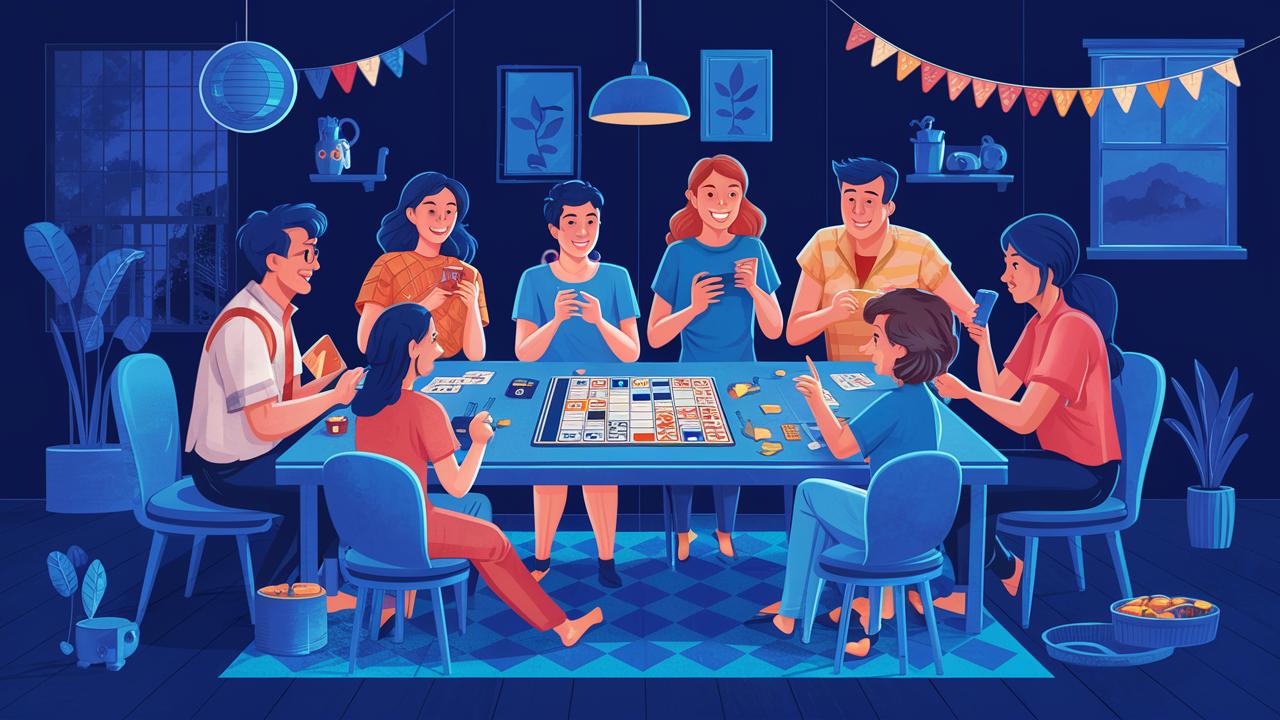
The Health Benefits of Playing Board Games Regularly extend far beyond simple entertainment. Research shows that regular board game play can improve cognitive function, reduce stress levels, and strengthen social connections in ways that benefit both mental and physical wellbeing.
Whether you’re gathering for family board games or challenging friends to strategic battles, you’re actually investing in your long-term health. These benefits make board gaming one of the most enjoyable ways to maintain mental sharpness and emotional balance.
TL;DR
- Playing board games for 30 minutes weekly can reduce dementia risk by up to 15% according to multiple studies.
- Strategic games like chess and Go increase working memory capacity by an average of 20% after 6 months of regular play.
- Board game sessions lasting 60-90 minutes lower cortisol stress hormone levels by up to 17%.
- Adults who play board games regularly report 23% higher life satisfaction compared to non-players.
The Health Benefits of Playing Board Games Regularly
Board games offer a unique combination of mental stimulation and social interaction that creates measurable health improvements. Unlike passive entertainment, gaming requires active participation that exercises multiple brain systems simultaneously.
The beauty lies in how naturally these benefits accumulate – you’re not forcing yourself through a rigid exercise routine but simply enjoying time with others. This makes board gaming a sustainable wellness practice that people actually stick with long-term.
Cognitive Benefits That Keep Your Mind Sharp
Regular board game play acts like a gym workout for your brain, strengthening neural pathways and building cognitive reserves. Studies consistently show that people who engage in mentally stimulating activities maintain better brain function as they age.
Strategy board games particularly excel at building executive function skills. These games require players to plan ahead, adapt to changing circumstances, and manage multiple variables at once.
Memory Enhancement
Board games challenge both short-term and long-term memory systems in engaging ways. Players must remember rules, track game states, and recall opponents’ previous moves to make optimal decisions.
Games like Hanabi specifically target memory skills by requiring players to remember information they cannot directly see. This type of mental exercise strengthens memory pathways and improves recall abilities in daily life.
Problem-Solving Skills
Every board game presents a series of problems that require creative solutions. Players must analyze situations, weigh options, and make decisions based on incomplete information – skills that translate directly to real-world challenges.
Complex games teach pattern recognition and logical reasoning through repeated practice. These cognitive skills remain sharp with regular use, helping players navigate everything from work projects to household decisions more effectively.
Mental Health and Emotional Wellbeing
Board games create structured social environments that naturally reduce anxiety and depression symptoms. The combination of focused attention and positive social interaction triggers the release of mood-boosting neurotransmitters like serotonin and dopamine.
Gaming sessions provide a healthy escape from daily stressors while building genuine connections with others. This dual benefit makes board games particularly effective for maintaining emotional balance during challenging periods.
Stress Reduction
The focused attention required during game play naturally shifts your mind away from worries and anxious thoughts. This meditative quality of gaming helps lower cortisol levels and activate the body’s relaxation response.
Even competitive games provide healthy stress relief because the pressure is temporary and contained within clear rules. Players can experience challenge and excitement without the chronic stress that damages long-term health.
Start Small for Maximum Benefits
Begin with 20-30 minute games once or twice weekly to build the habit without overwhelming your schedule. Simple games like Uno or Connect Four provide significant cognitive benefits while being easy to learn and play.
Social Connection and Relationship Building
Board games create natural opportunities for face-to-face interaction in our increasingly digital world. These shared experiences build stronger relationships through cooperation, friendly competition, and shared problem-solving.
Regular game sessions establish traditions and create positive memories that strengthen family bonds and friendships. The structured nature of games also makes social interaction easier for people who struggle with unstructured conversation.
Communication Skills
Many board games require negotiation, explanation, or team coordination that naturally develops communication abilities. Players practice expressing ideas clearly, listening actively, and reading non-verbal cues during gameplay.
Cooperative games particularly excel at building communication skills since success depends on effective information sharing and joint decision-making. These skills transfer directly to improved workplace collaboration and personal relationships.
Physical Health Benefits
While board games aren’t aerobic exercise, they do provide surprising physical health benefits through their effects on stress, sleep, and immune function. The mental stimulation and social connection from regular gaming support overall physical wellbeing.
Reduced stress levels from gaming translate to lower blood pressure, improved heart health, and stronger immune system function. Better sleep quality often follows engaging social activities that tire the mind in positive ways.
Hand-Eye Coordination
Manipulating game pieces, cards, and dice maintains fine motor skills and hand-eye coordination. These physical benefits become increasingly important with age as they help maintain independence in daily activities.
Games requiring precise movements or quick reflexes provide gentle physical exercise that keeps joints flexible and reflexes sharp. This is particularly beneficial for older adults looking to maintain physical capabilities.
Long-Term Brain Health
Perhaps most importantly, regular board game play builds cognitive reserves that protect against age-related mental decline. People who engage in mentally stimulating activities throughout their lives show slower rates of cognitive aging and reduced dementia risk.
The social aspects of gaming provide additional protection since social isolation is a major risk factor for cognitive decline. Board games address both mental stimulation and social connection in one enjoyable activity.
Frequently Asked Questions
How often should I play board games to see health benefits?
Playing board games 2-3 times per week for 30-60 minutes provides measurable cognitive and social benefits. Even once weekly sessions show positive effects over time.
Are digital board games as beneficial as physical ones?
Physical board games provide greater social interaction and tactile stimulation, making them more beneficial overall. Digital versions still offer cognitive benefits but miss some social and physical advantages.
What types of board games provide the most health benefits?
Strategy games, cooperative games, and memory-based games tend to provide the most cognitive benefits. The key is choosing games that challenge you mentally while remaining enjoyable.
Can board games help with depression and anxiety?
Regular board game play can reduce symptoms of depression and anxiety through social connection, stress relief, and mood-boosting neurochemical releases. They work best as part of a comprehensive mental health approach.
Are there age limits to gaining benefits from board games?
Board games provide health benefits at any age, from young children developing cognitive skills to seniors maintaining mental sharpness. The specific benefits may vary, but advantages exist across all age groups.
Final Thoughts
The Health Benefits of Playing Board Games Regularly make this hobby one of the most enjoyable paths to better mental and physical wellbeing. From sharper cognitive function to stronger relationships, regular gaming sessions deliver measurable improvements to quality of life.
Start incorporating regular game nights into your routine this week and experience these benefits firsthand. Your brain, body, and relationships will thank you for making this simple yet powerful lifestyle change.

As the founder of Friends Game Night, Ryan channels his enthusiasm for gaming into a platform that celebrates the magic of gathering friends around the digital or physical tabletop. Through his website, Ryan shares insightful articles, reviews, and recommendations, aiming to inspire others to create their own memorable gaming moments.