
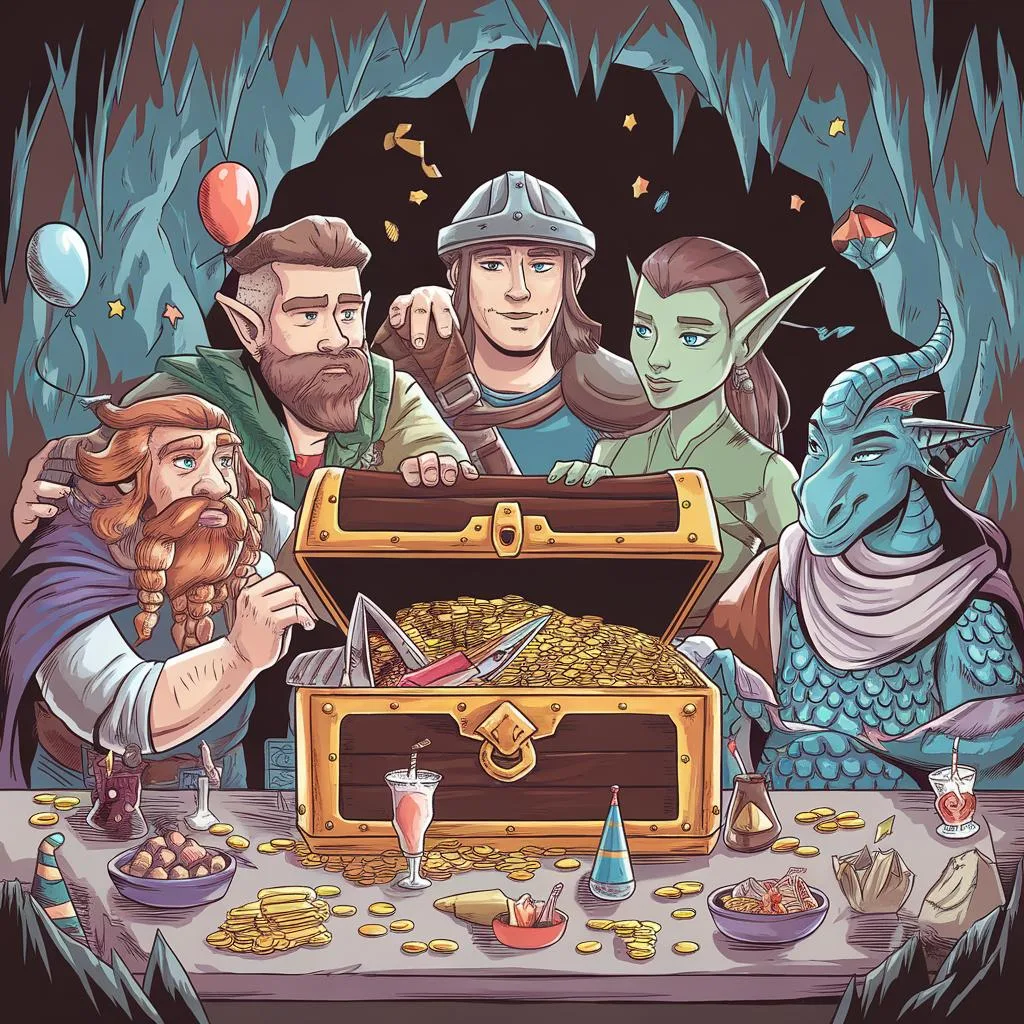
Thunderstone Quest challenges players to build the ultimate adventuring party through strategic deck building and dungeon exploration. This cooperative fantasy game combines tactical card play with immersive storytelling as you recruit heroes, gather equipment, and face increasingly dangerous monsters in the depths below.
Each quest presents unique challenges that require careful party composition and resource management. Success depends on understanding how different heroes synergize, when to venture into the dungeon versus staying in the village, and how to balance offense with survival.
TL;DR
- Start with 2-3 core hero types and focus on synergies rather than variety in your first few turns.
- Village turns should comprise 60-70% of early gameplay to build a strong foundation before dungeon runs.
- Light tokens provide +1 Attack against monsters but decrease by 1 each dungeon level, making timing crucial.
- Most winning strategies involve 12-15 total cards in your deck by game end, keeping it lean for consistency.
Thunderstone Quest Party Building Fundamentals
Building an effective party starts with understanding the four hero classes and their unique strengths. Each class serves a specific role that becomes essential as you progress through increasingly difficult dungeon levels.
Focus your early recruitment on heroes that complement each other rather than trying to collect one of everything. A concentrated approach with 2-3 hero types creates more reliable combinations than spreading thin across all four classes.
Fighter Heroes
Fighters provide consistent physical damage and often have abilities that activate when other fighters are present. The Dwarf Guardian and Human Barbarian work exceptionally well together, creating a front line that can handle most early-game threats.
Prioritize fighters when facing monsters with high health or physical resistance. Their straightforward attack values make damage calculations predictable, which helps with planning your dungeon runs.
Cleric Heroes
Clerics offer healing, light generation, and support abilities that keep your party alive during extended dungeon exploration. The Elf Wizard and Human Cleric provide different approaches to support – one through magical enhancement, the other through direct healing.
Always recruit at least one cleric early in the game. Their light-generating abilities become crucial for deeper dungeon levels where darkness penalties can cripple your attack power.
Rogue Heroes
Rogues excel at treasure acquisition and often have abilities that trigger based on the number of different hero types in your party. The Halfling Scout and Human Outlaw provide excellent utility for resource gathering.
Include rogues when quests emphasize treasure collection or when you need versatile heroes that work well in mixed parties. Their treasure-focused abilities can accelerate your equipment acquisition significantly.
Wizard Heroes
Wizards bring magical damage and unique spell effects that can bypass physical resistances. The Dwarf Runelord and Elf Enchanter offer different magical approaches – direct damage versus battlefield control.
Wizards become essential against monsters with high physical armor or special resistances. Their spells often provide solutions to specific monster abilities that physical attacks cannot overcome.
Strategic Village Management
Your village turns determine the strength of your eventual dungeon runs. Spend the majority of your early game in the village, building up resources and recruiting heroes before attempting significant dungeon exploration.
Balance hero recruitment with equipment purchases to create a well-rounded party. A hero without proper equipment is far less effective than a properly equipped hero of lower level.
Equipment Priorities
Weapons should match your hero composition – physical weapons for fighters, magical implements for wizards. Light-generating equipment becomes increasingly important as you progress to deeper dungeon levels.
Don’t overlook basic equipment like torches and rations. These simple items often provide the edge needed to survive challenging encounters or reach valuable treasures.
- Weapons – Match weapon types to your primary heroes for maximum effectiveness.
- Armor – Provides consistent protection and often includes useful secondary abilities.
- Light Sources – Essential for maintaining attack bonuses in deeper dungeon levels.
- Provisions – Healing items and utility equipment that can save failed dungeon runs.
Resource Management
Gold management requires careful planning since you earn limited amounts each turn. Prioritize purchases that enhance your core strategy rather than filling every equipment slot.
Save gold for key purchases rather than buying incrementally. A single powerful piece of equipment often provides more value than multiple weaker items.
Perfect Timing Strategy
Track the quest requirements and plan your dungeon runs for maximum efficiency. Many quests reward specific achievements that require careful timing to accomplish.
Dungeon Exploration Tactics
Successful dungeon runs require understanding monster abilities, managing your light resources, and knowing when to retreat versus pushing deeper. Each dungeon level presents increased challenges but also greater rewards.
Plan your route through the dungeon based on your party’s current capabilities. Sometimes the best strategy involves targeting easier monsters for consistent progress rather than risking everything on a difficult encounter.
Light Management
Light tokens provide crucial attack bonuses but decrease as you venture deeper into the dungeon. Calculate your effective attack power at each level before committing to an encounter.
Consider bringing multiple light sources or heroes with light-generating abilities for extended dungeon runs. Running out of light in the depths can turn a successful expedition into a disaster.
Monster Selection
Choose your battles based on your party’s current strength and the rewards offered. Sometimes a weaker monster with valuable treasure proves more beneficial than a stronger foe with minimal rewards.
Pay attention to monster abilities that can disrupt your strategy. Some monsters have effects that trigger regardless of whether you defeat them, making careful selection essential.
- Assess your current attack power. Calculate total damage including light bonuses and equipment effects.
- Evaluate monster defenses. Check for armor, magical resistance, or special defensive abilities.
- Consider the rewards. Balance risk versus treasure value and quest objective advancement.
- Plan your retreat route. Always have an exit strategy if the encounter goes poorly.
Advanced Party Synergies
The most effective parties leverage hero combinations that create powerful synergistic effects. Understanding how different heroes enhance each other’s abilities separates good players from great ones.
Look for heroes whose abilities trigger off each other’s presence or actions. These combinations often provide exponential benefits that exceed the sum of individual hero contributions.
Multi-Class Combinations
Some of the strongest synergies come from mixing hero classes strategically. Fighters and clerics work well together, with clerics providing healing while fighters absorb damage and dish out consistent attacks.
Wizards and rogues create excellent treasure-hunting combinations, with wizards handling magical threats while rogues maximize treasure acquisition from defeated foes.
Same-Class Stacking
Focusing heavily on one hero class can create powerful themed parties. Multiple fighters create overwhelming physical assault teams, while multiple clerics provide nearly unlimited sustainability.
Consider same-class strategies when facing quests with specific requirements or when you want to maximize particular types of abilities. The focused approach often proves more effective than balanced diversity.
Frequently Asked Questions
How many heroes should I recruit for an optimal party size?
Most successful parties include 4-6 heroes total, providing enough variety without diluting your deck. Focus on quality combinations rather than quantity.
Should I buy equipment or recruit heroes first?
Prioritize 2-3 core heroes first, then focus on essential equipment like weapons and light sources. Heroes provide the foundation, but equipment makes them effective.
When should I start making dungeon runs?
Begin dungeon exploration after recruiting your core heroes and obtaining basic equipment, typically around turns 4-6. Early runs should target easier monsters for steady progress.
How important are light tokens for dungeon success?
Light tokens are crucial for maintaining attack power in deeper levels. Plan your light management carefully, as running out can make monsters impossible to defeat.
What’s the best strategy for quest completion?
Read quest requirements carefully and plan your strategy around specific objectives. Some quests reward treasure collection while others focus on monster elimination or exploration depth.
Final Thoughts
Thunderstone Quest rewards players who understand the intricate balance between party building, resource management, and tactical dungeon exploration. Success comes from recognizing synergies between heroes, timing your dungeon runs effectively, and adapting your strategy to each quest’s unique requirements.
Start with focused hero recruitment, invest in quality equipment, and gradually build confidence through successful encounters. Master these fundamentals, and you’ll find yourself crafting legendary parties capable of conquering any challenge the dungeons present.


As the founder of Friends Game Night, Ryan channels his enthusiasm for gaming into a platform that celebrates the magic of gathering friends around the digital or physical tabletop. Through his website, Ryan shares insightful articles, reviews, and recommendations, aiming to inspire others to create their own memorable gaming moments.