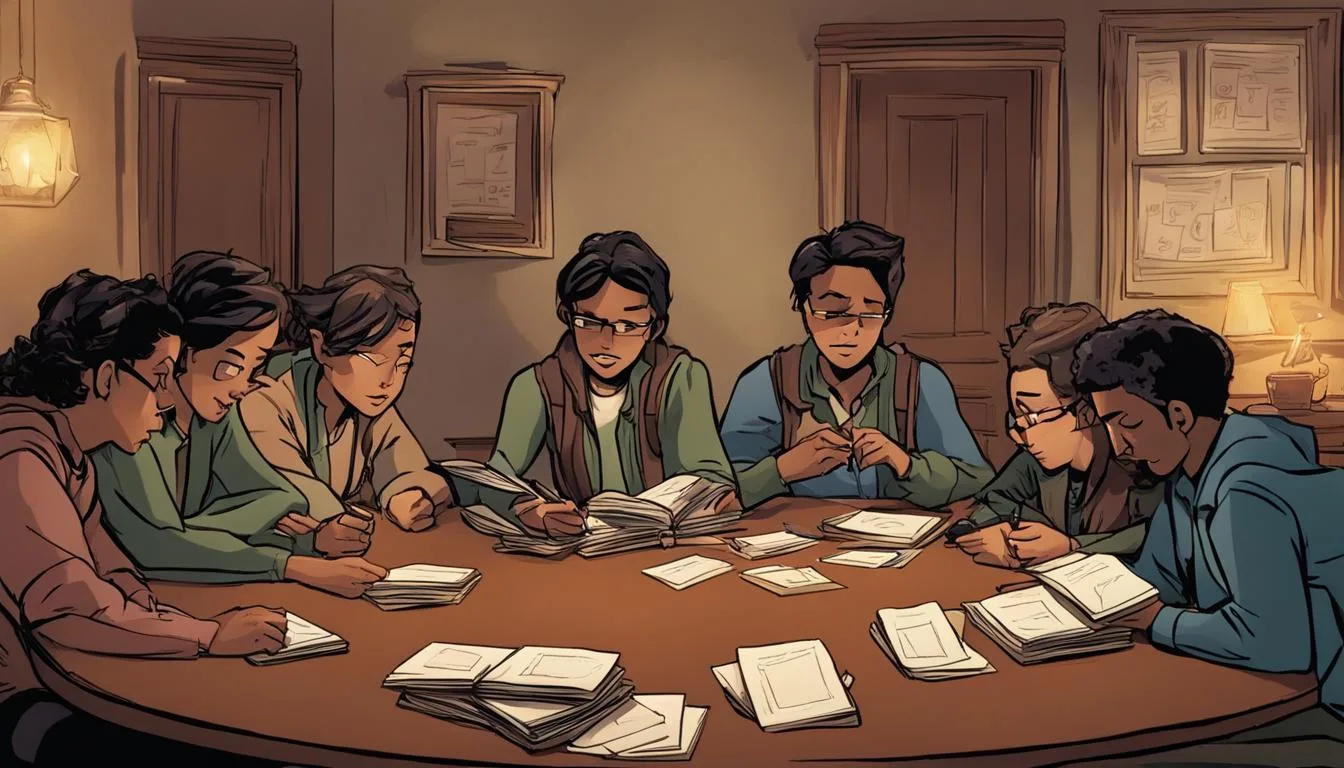
Trivia Night Challenge Your Friends Knowledge brings people together for an evening of fun facts, friendly competition, and plenty of laughs. Whether you’re hosting at home or planning a larger gathering, trivia games test everyone’s random knowledge while creating memorable moments that guests will talk about long after the night ends.
The best part about trivia challenges is how they level the playing field – anyone can surprise everyone with an unexpected answer about obscure movies, historical facts, or pop culture references. You don’t need expensive equipment or complicated setup to create an engaging experience that works for any group size.
TL;DR
- Prepare 50-75 questions across 5-7 categories like movies, sports, history, and current events for a 2-hour trivia night.
- Use a mix of multiple choice, true/false, and fill-in-the-blank questions to keep different skill levels engaged.
- Award 1 point for easy questions, 2 points for medium, and 3 points for hard questions to create strategic gameplay.
- Include bonus rounds like “name that tune” or picture identification to break up traditional question formats.
Trivia Night Challenge Your Friends Knowledge
Setting up a successful trivia night starts with choosing the right mix of questions that challenge without frustrating your players. Your goal is to create moments where everyone gets some answers right while still stumping the group with clever questions that spark discussion and debate.
The key to great trivia lies in balancing difficulty levels and covering topics that appeal to your specific group. Mix easier crowd-pleasers with harder questions that reward true knowledge enthusiasts, and always include at least one category that lets each person shine.
Essential Categories for Well-Rounded Trivia
Choose 5-7 categories that cover different interests and knowledge areas to keep everyone engaged throughout the night. Popular categories work well because most people have some familiarity with the topics, but you can customize based on your group’s interests.
- Movies and TV – Mix classic films with recent releases and popular streaming shows.
- Music – Include different decades and genres, plus “name that tune” audio clips.
- Sports – Cover major leagues, Olympic events, and record holders.
- History – Focus on major events, famous figures, and interesting lesser-known facts.
- Geography – Capitals, landmarks, and interesting location-based questions.
- Science and Nature – Basic concepts, animal facts, and space exploration.
- Pop Culture – Current events, social media trends, and celebrity news.
Question Formats That Keep Players Engaged
Variety in question types prevents monotony and accommodates different thinking styles within your group. Some players excel at multiple choice while others prefer open-ended questions that let them show off specific knowledge areas.
Rotating between formats every few questions maintains energy and gives everyone chances to succeed using their preferred approach to problem-solving.
Multiple Choice Questions
These questions work perfectly for topics where exact recall might be difficult but recognition helps players narrow down options. Provide four choices with one obviously incorrect option, two plausible distractors, and one correct answer.
Multiple choice questions move quickly and prevent teams from getting stuck on answers they almost remember. They also generate discussion as teams debate between the remaining options after eliminating obvious wrong choices.
True or False Challenges
Simple true/false questions create quick momentum and work well as warm-up questions or between more complex rounds. These questions should focus on surprising facts that seem unlikely but are actually true, or common misconceptions that many people believe.
The best true/false questions make players second-guess their initial instincts and discuss whether something sounds too strange to be real.
Fill-in-the-Blank and Open Response
Open-ended questions reward players with deep knowledge in specific areas and create the most exciting moments when someone pulls out an obscure fact. Use these sparingly since they can slow down the pace if teams get stuck.
Consider offering partial credit for close answers or accept multiple correct responses when questions have several valid possibilities.
Create Answer Sheets in Advance
Design simple answer sheets with numbered spaces and team names to speed up scoring and prevent disputes. Include a small space for teams to show their work on calculation questions.
Scoring Systems That Build Excitement
Point values should reflect question difficulty while keeping games competitive throughout the evening. A tiered scoring system rewards teams for taking on harder challenges while ensuring that consistent performance on easier questions still matters.
Consider implementing bonus opportunities and penalty situations that can shake up standings and prevent any team from building an insurmountable lead too early.
Basic Point Structure
Assign point values based on difficulty levels to reward teams appropriately for different types of questions. This system encourages strategic thinking about which questions to focus energy on when time gets tight.
- Easy questions (1 point). General knowledge that most people should know with some confidence.
- Medium questions (2 points). Require specific knowledge but aren’t completely obscure.
- Hard questions (3 points). Challenge even knowledgeable players and reward true expertise.
- Bonus rounds (5 points). Special challenges like audio clips or visual puzzles.
Bonus Round Ideas
Special rounds break up the standard question-and-answer format while giving trailing teams opportunities to make up ground quickly. These rounds often become the most memorable parts of trivia night and generate the biggest reactions from players.
- Lightning Round – 60 seconds of rapid-fire questions worth 1 point each.
- Name That Tune – Play 10-second song clips for identification challenges.
- Photo Finish – Show images of celebrities, landmarks, or objects to identify.
- Before and After – Questions that connect two phrases sharing a common word.
- Rhyme Time – Answers must be two rhyming words that fit the clue.
Hosting Tips for Smooth Trivia Flow
Your role as trivia host sets the tone for the entire evening and determines whether players stay engaged or lose interest. Good hosts balance authority with humor while keeping the pace moving and handling disputes fairly.
Preparation is essential, but flexibility helps you adapt when certain questions don’t work as expected or when you need to adjust difficulty based on how teams are performing.
Equipment and Setup Essentials
Gather everything you need before guests arrive to avoid interruptions during gameplay. Simple equipment works better than complex setups that can malfunction or distract from the questions themselves.
- Question sheets – Print extras in case you need backup copies.
- Answer sheets – One per team with clear numbering and space for responses.
- Pens or pencils – Have plenty available since teams always need extras.
- Timer – For lightning rounds and keeping overall pace on track.
- Speaker – If including audio questions or background music.
- Prizes – Small rewards for winners and participation prizes for everyone.
Just like hilarious party games for laughter-filled nights, trivia works best when everyone feels included and entertained throughout the experience.
Team Formation and Group Dynamics
How you divide players into teams significantly impacts the competitive balance and social dynamics of your trivia night. Thoughtful team formation prevents any group from dominating while ensuring everyone contributes meaningfully to their team’s efforts.
Consider your guests’ personalities and knowledge areas when suggesting team compositions, but let people self-organize initially before making gentle adjustments if needed.
Optimal Team Sizes
Teams of 3-4 people work best for most trivia formats because they’re large enough for diverse knowledge while small enough that everyone participates actively. Larger teams can lead to some members becoming passive observers while smaller teams might lack breadth of knowledge.
If you have an awkward number of players, create teams of different sizes but adjust scoring slightly to compensate – perhaps giving smaller teams a small point bonus or allowing them extra time on certain questions.
Mixing Knowledge Strengths
Encourage teams to form with complementary knowledge areas rather than grouping all the sports fans together or putting history buffs on the same team. Balanced teams create closer competition and more strategic discussions during gameplay.
Watch for teams that seem significantly stronger or weaker than others and consider suggesting gentle adjustments or implementing handicap systems to keep games competitive.
Adapting Trivia for Different Group Sizes
Small intimate groups and large parties require different approaches to trivia hosting, but the core principles remain the same. Adjust your question selection, pacing, and interaction style based on the number of participants and the setting.
Smaller groups allow for more discussion and explanation of interesting answers, while larger groups need tighter time management and clearer communication systems to stay organized.
Intimate Trivia for Small Groups
With 6-12 people, you can encourage more discussion about answers and let teams explain their reasoning before revealing correct responses. This approach creates learning opportunities and lets personality shine through gameplay.
Small group trivia works well as part of classic party games that never get old since you can easily transition between different activities throughout the evening.
Large Group Management
Managing 20+ people requires more structured systems for collecting answers, maintaining order, and ensuring everyone can hear questions clearly. Consider using written answer collection rather than verbal responses to prevent chaos.
Large groups benefit from party games for large gatherings and events that keep energy high and prevent people from losing interest during longer trivia sessions.
Frequently Asked Questions
How many questions should I prepare for a trivia night?
Plan for 50-75 questions total, which typically provides 90-120 minutes of gameplay including breaks and discussion time. Have extra questions ready in case you need to extend the night or replace questions that don’t work well.
What’s the best way to prevent cheating during trivia?
Establish clear phone and internet usage rules upfront, collect devices if necessary, and space teams far enough apart that they can’t easily overhear each other’s discussions. Focus on creating a fun atmosphere where cheating feels unnecessary.
How do I handle disputes over answers?
Research questions thoroughly beforehand and have reliable sources ready to cite if challenged. Be willing to award points for technically correct alternative answers and maintain final authority as host while staying friendly about it.
Should I announce correct answers after each question?
Reveal answers after every 5-10 questions rather than individually to maintain momentum while still providing feedback. This approach prevents teams from getting discouraged early and keeps energy levels high throughout the game.
Final Thoughts
Trivia Night Challenge Your Friends Knowledge creates lasting memories through friendly competition and shared discovery of interesting facts. The best trivia nights balance challenge with accessibility, ensuring everyone contributes while learning something new along the way.
Start planning your next trivia challenge by choosing categories that match your group’s interests and preparing questions that will spark great discussions and plenty of laughs.

As the founder of Friends Game Night, Ryan channels his enthusiasm for gaming into a platform that celebrates the magic of gathering friends around the digital or physical tabletop. Through his website, Ryan shares insightful articles, reviews, and recommendations, aiming to inspire others to create their own memorable gaming moments.
Subscribe to Our Newsletter